

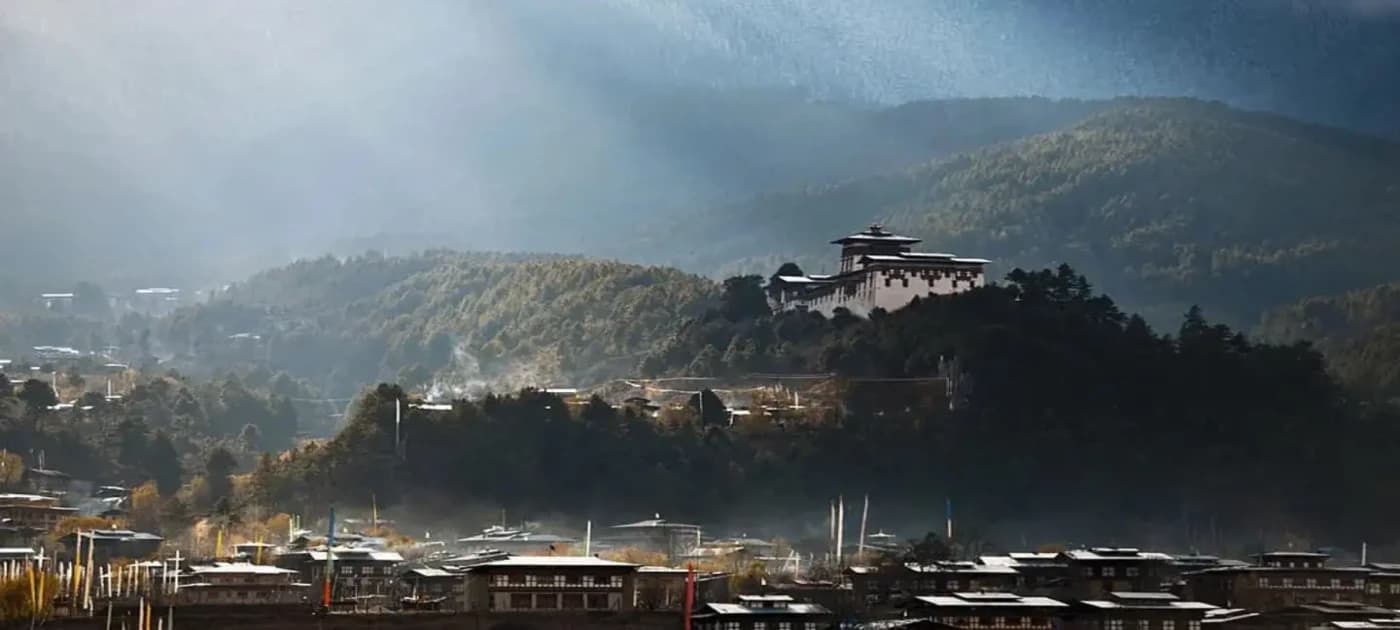
Ever thought of taking a break from your daily hustle and bustle but never quite found the perfect destination for it where life lets you slow down and explore at your own pace? Well, Bhutan is the perfect place for you. Known as the ‘Land of Thunder Dragon’, Bhutan offers a rare blend of ancient spirituality, dramatic landscapes, and progressive values while also boasting a stunning geographical diversity.
Exploring Bhutan will allow you to witness everything from monasteries perched on hills and mountain passes full of fluttering prayer flags to sustainable tourism policies that protect culture and environment. Bhutan feels like a country rooted firmly in the past yet consciously stepping into the future.
And this is your Bhutan Travel Guide 2026 which comprises of everything you need to know before traveling to Bhutan.
Where is Bhutan and What Makes it Special?
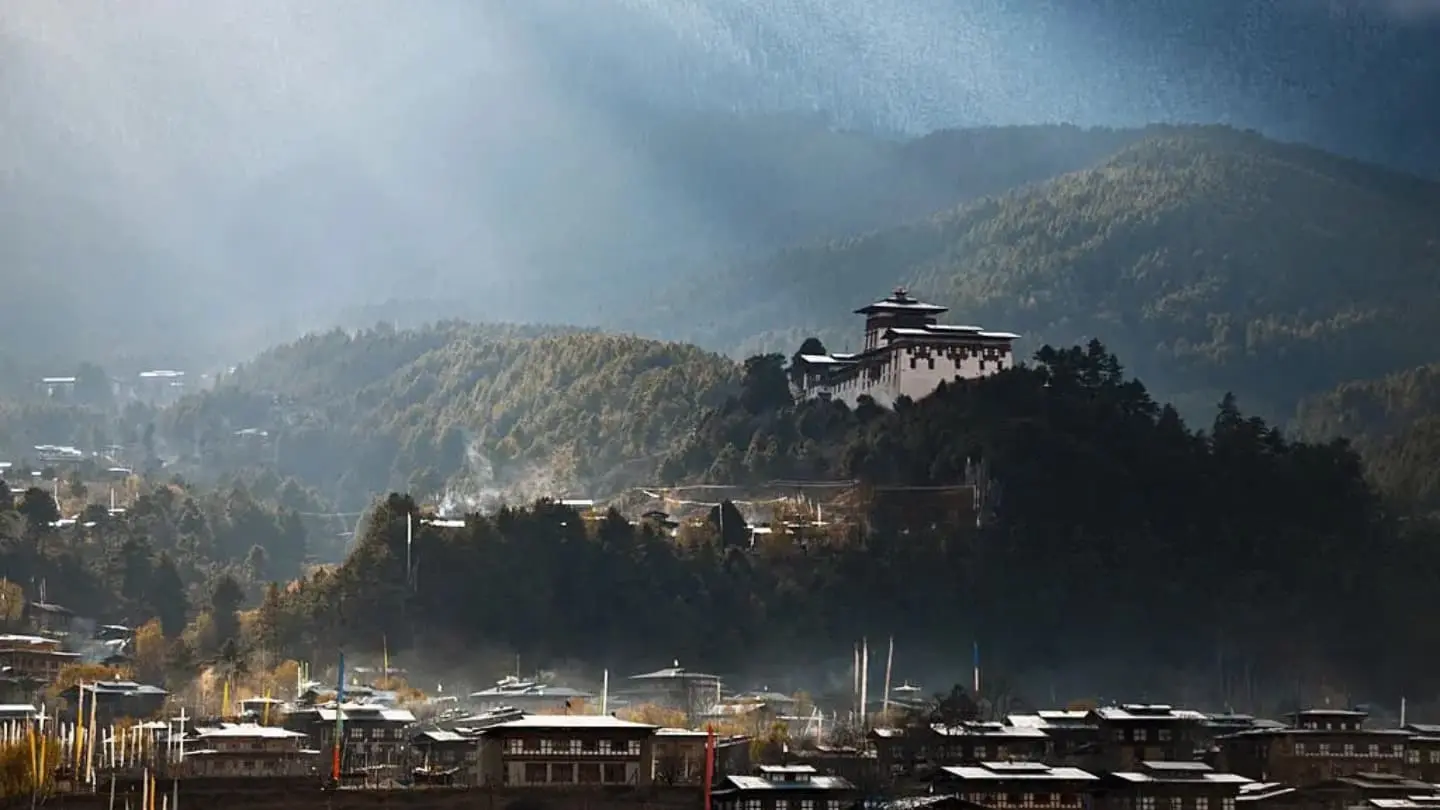
Let us begin with understanding where exactly is Bhutan located. Nestled in the eastern Himalayas of South Asia, Bhutan is a landlocked kingdom which is bordered by India to the south and China (Tibet Autonomous Region) to the north. While the size of the country is small, you will see a wide range of geographical diversity here as the landscapes range from subtropical valleys to snow-covered Himalayan peaks.
What makes the country special is its intentional isolation from the rest of the world. Until the 1970s, Bhutan remained largely closed to the outside world. Even today, tourism in Bhutan is carefully regulated. While it might seem unnecessary, this isolation has helped protect cultural identity and natural ecosystems of the country. All thanks to this, the ancient traditions, architecture, language, and spirituality still remain uninfluenced by modernity.
Not to forget, Bhutan is also famous for prioritizing Gross National Happiness (GNH) over the race of having higher Gross Domestic Product. While many might think of it as a mere political slogan, this policy is the actual core operating system of the county.
This philosophy shapes everything from sustainable tourism policies and environmental conservation to infrastructure planning, daily life, and governance within Bhutan. Also, almost 70% of Bhutan is covered by lush forests and you will see cascading waterfalls, serene lakes, roaring rivers, which is the proof of the natural beauty here being spectacular. As a traveler, Bhutan offers you authenticity, stability, fewer crowds, deep cultural immersion, and a slower and more intentional pace of travel. This is what makes Bhutan the ultimate bucket list destination.
Best Time to Visit Bhutan:
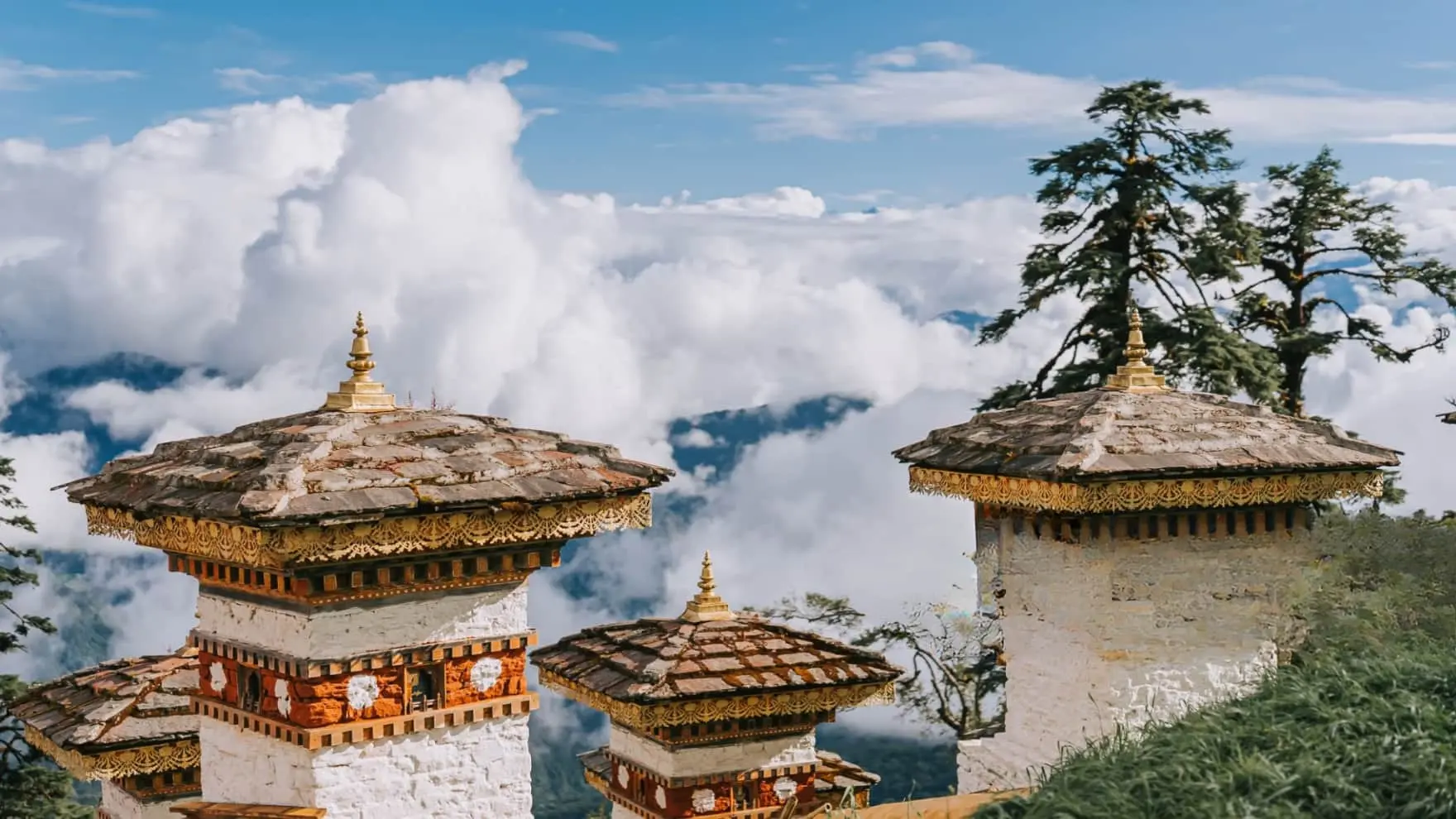
Bhutan can be visited all year round and each season brings a unique experience along. However, some seasons have more to offer while during some seasons, you might face more challenges. The best time to visit Bhutan has to be the months of Spring (March to May). During this season, you will be able to see nature in full bloom in the form of landscapes covered with colorful rhododendrons and wildflowers. Besides that, the skies are clear which means you can enjoy stark mountain views. It also features ideal weather if you want to go on any adventure like trekking or hiking. You might also catch some festivals like Paro Tshechu if you plan your trip accordingly. But you will encounter some crowds.
Another best time to visit the country is during Autumn (September to November). The temperature is moderate with clear skies for spectacular views of the landscapes and the mountains.
The trekking conditions are excellent too. And above all, this is the season when most of the festivals in the country like Thimphu Tshechu and Jambay Lhakhang Drup take place. Thus, you will be able to explore a whole new realm of culture during this season. However, beware of the crowds. Now, if you want to explore the country without any crowd, you can also visit Bhutan during winters (December to February). During this season, the valleys are quieter as there are fewer tourists.
During winter, you might even witness the migration of black-necked cranes in Phobjikha Valley if you are lucky. You will also be able to witness picturesque snowcapped mountains at a higher altitude. But you need to pack accordingly as the temperature is going to be quite cold. Monsoon (June to August) is not that busy of a season in Bhutan as there are heavy rains which increases the risk of injury in the hilly landscapes. However, if you don’t mind rain and want to explore lush greenery, you can visit Bhutan in monsoon too.
Know Before You Go:
1) Visa and Entry Requirements:
To enter Bhutan, you can simply book a flight to Paro International Airport. You can also enter via southern border towns from India, providing a gradual transition into Bhutanese landscapes and culture. Now, all foreign nationals require a visa for Bhutan except citizens of India, Bangladesh, and the Maldives who require special entry permit which can be obtained at the border or at the airport.
As independent travel is largely restricted in Bhutan, you will need to connect to a reliable tour operator like Beyond the Limits Treks and Expeditions who can help you navigate through the visa and documentation process. While entering Bhutan, tourists are also required to pay a sustainable development fee (SDF) which is unique to Bhutan. Besides that, to travel beyond Paro & Thimphu, a special route permit is required too.
2) The SDF (Sustainable Development Fee) Explained:
The Sustainable Development Fee is a daily fee paid by international visitors in Bhutan which then goes to support Bhutan’s development. This money is used for free education and healthcare, environmental conservation, and cultural preservation in the country.
As of present, the SDF for most international visitors is USD $100 per person, per night of stay. This fee is low for people of certain countries like India. The SDF is paid in advance as part of your visa application and is separate from your costs for accommodation, meals, transport, and guide services
To make it clear, this fee is not a tourist tax. It is just to ensure that your visit actively contributes to the happiness and sustainability of the entire kingdom.
3) Currency:
The currency of Bhutan is the Bhutanese Ngultrum (BTN), often denoted by Nu. For your convenience, it is best that you carry cash as you might not find ATM everywhere in the country. The value of the Nu is same as the value of Indian Rupees. While it is preferred to carry Nu, you can also use Indian Rupees in case of emergencies as it is widely accepted throughout Bhutan.
4) The Core Four Valleys of Bhutan:
The most iconic sights in Bhutan for cultural exploration as well as sightseeing are scattered across the core four valleys of the country. And each of these valleys has a distinct experience to offer. So, brace yourselves!
5) Paro:
Your adventure begins right in the valley where you land. The Paro valley combines history, spirituality, and natural beauty as it features many historical and spiritual landmarks. The main highlight of Paro is the Paro Taktsang, famously known as the Tiger’s Nest Monastery, whose image is the face of most of the Bhutan travel pages. This is the most sacred site of Bhutan. This iconic landmark is a Vajrayana Himalayan Buddhist monastery, and it is located on a hilltop at an altitude of 3,120 meters. The religious value of this place comes from the ideology that Guru Rinpoche flew to this site on the back of a tigress to meditate here.
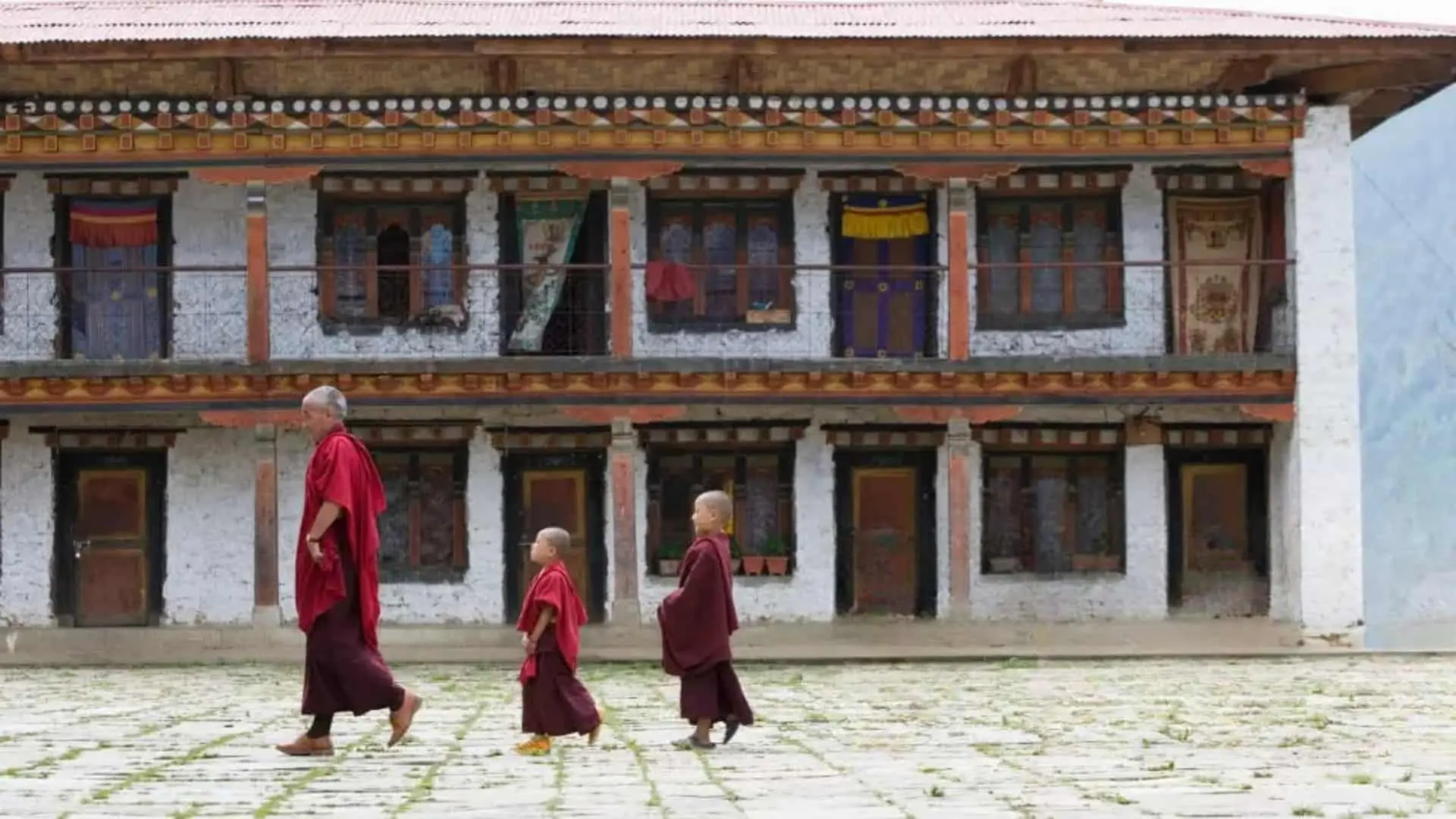
Spending a few hours in this place from where Buddhism is believed to have been originated in Bhutan truly gives you a sense of calm and peace. And it is also a popular hiking destination. Other than the Tiger’s Nest, Paro features other monasteries too like the Rinpung Dzong which serves as a monastery as well as an administrative center. It is a stunning fortress monastery. Don’t miss out on visiting a 7th century temple in Bhutan, the Kichu Lhakhang which is one of the oldest and most sacred temples in the country. For those interested in learning about the Bhutanese history, explore the National Museum of Bhutan.
6) Thimpu:
Known for being the only capital city in the world with no traffic lights, Thimpu is yet another foundation of exploring Bhutan and is Bhutan’s capital city. The valley is a perfect show of how tradition can coexist with all the modern buzz. Whatever your expectations of a capital city are, Thimpu defies it all, that too in a good way. If there was a perfect slogan for Thimpu, it would be something along the lines of ‘embracing progress without erasing identity’. A major highlight of Thimpu is the Tashichho Dzong which is a visually stunning fortress that houses the King’s Throne Room and the seat of the government. It is widely regarded as the administrative center of Bhutan.
Buddha Dordenma is another major attraction of Thimpu, which is a colossal, golden bronze statue perched atop a hill. Looking at it makes you feel like the statue is radiating peace and overlooking the Thimphu Valley. Another place to definitely visit is the National Memorial Chorten in Thimpu which is a large Tibetan style stupa. Watching the Bhutanese citizens circumambulate here daily is truly a glimpse into their connection with their roots.
7) Punakha:
Now, you move towards a more remote location as you drive for a few hours over the dramatic Dochula Pass to reach the Punakha Valley. Here, the city vibe is no longer there and you will be able to enjoy the views of a subtropical landscape. This place is home to one of the most beautiful fortresses in Bhutan known as the Punakha Dzong which boasts a stunning architecture. Even the location of this palace at the confluence of the Mo Chhu (Mother River) and Po Chhu (Father River) adds to its beauty. It is also known as the ‘Palace of Great Happiness’.
A gentle hike through rice fields leads you to a unique temple called ‘Chimi Lhakhang’ which is known as the fertility temple among the locals. One strange thing you will witness is phallus symbols painted on houses near it as protection against evil spirits.
8) Phobjikha and Bumthang:
For a deeper exploration of Bhutan, you can head further towards Phobjikha and Bumthang. Phobjikha mainly features stunning natural beauty as it is a glacial valley where the black necked cranes can be spotted during the winters. You can go for a quiet hike in Phobjikha.
Coming to Bumthang valley, it is the spiritual heartland of Bhutan as it is home to the highest concentration of ancient temples and sacred sites. This region is a must see for those interested in the deep roots of Bhutanese Buddhism.
Attractive and Best Bhutan Travel Packages for 2026:
Things to Do in Bhutan:
Besides exploring the major valleys, there are lots of other things to do in Bhutan. This includes adventures like cycling and mountain biking, trekking, hiking, and motorcycling tours which are quite popular. The major activities to do include:
1) Trekking:
While many might not know it, Bhutan is also considered a great trekking destination as the country, thanks to its geography, features everything from gentle day hikes to challenging treks through remote Himalayan terrain. What makes it best is the lack of crowds on the trail given the regulated tourism in Bhutan. And you will be exploring the untouched landscapes of the country which have maintained their cultural authenticity. One popular trekking route is Bhutan is the Jomolhari Trek where you embark on a journey of 8 to 10 days while exploring the geographical diversity of the country and witnessing stunning views of Mount Jomolhari (7,326 meters), which is often known as the ‘Bride of Kanchenjunga’.
For seasoned trekkers with prior experience, the iconic Snowman Trek can be a good adventure. Mind you, this trek is regarded as one of the most difficult trekking routes of the Himalayas and in the world as it takes you to some of the most remote areas of Bhutan beyond the 5,000 m mark.
If you are a beginner, the Druk Path Trek, Degala Thousand Lakes Trek, or the Bumthang Owl Trek can be some great options for you which allow you to experience the trekking majesty of Bhutan without tiring yourself out much.
To have a comfortable trekking experience in Bhutan, connect with us at Beyond the Limits Treks and Expeditions and allow us to help you navigate the documentation, guides, transportation, and accommodation in Bhutan.
2) Cultural Immersion:
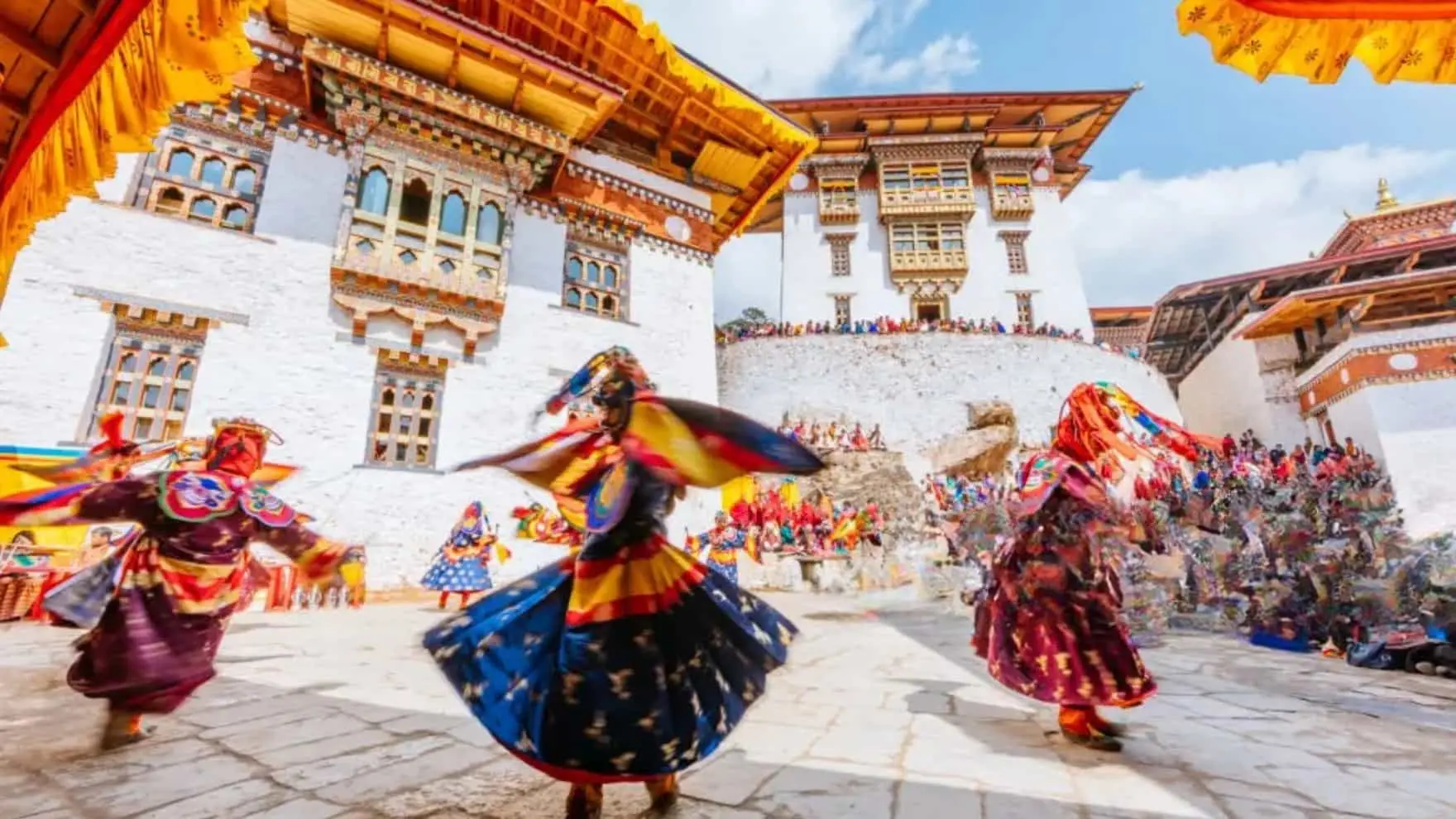
A major highlight of exploring Bhutan is the profound cultural immersion that comes with it. The rich cultural heritage of the country is visible in every corner that you explore. If you are someone who prefers culture over adventure, you can also go for a cultural tour in Bhutan which is designed especially to give visitors a glimpse of the country’s strong and brave history.
A cultural tour will allow you to not only experience the ancient music, dance, traditions, and customs but it also explores the dominance of Mahayana Buddhism and its teachings in Bhutan. You will be surrounded by monasteries, chortens, mani walls, prayer flags, temples, dzongs, and pilgrimage sites. A major part of which you will be exploring in the core four valleys like the Tiger’s Nest, Chimi Lhakhang Temple, Trongsa Dzong Fortress, and Drugyel Dzong.
Moreover, if you align your travel plans with the festive season in Bhutan, you can experience the vibrant festivals of the country which are locally known as ‘Tshechus’. During this time, you will feel the shift in air as there are traditional music, mystic mask dances, and ancient rituals surrounding you and you will also see depiction of ancient stories through choreographed performances which is a sight to behold.
3) Cultural Etiquette While in Bhutan:
Now that we have covered how in touch with its culture Bhutan is, there are certain cultural etiquettes that visitors have to follow while in Bhutan as a form of respect towards the country.
- Always dress modestly while visiting monasteries or temples.
- Your outfit should cover your shoulders and knees.
- Make sure to remove your hat and shoes before entering.
- If you want to circumambulate around the monastery like locals, always walk clockwise around Dzongs, Chortens (stupas), and Mani Walls.
- Avoid smoking in public places as Bhutan has a strict policy on tobacco.
- Ask permission before photographing people or rituals.
4) Bhutanese Cuisine:
If you are a lover of trying new cuisines, Bhutan will not disappoint you as the country features a rather unique cuisine which might feel like a blend of Tibetan, Indian, and a bit of Chinese cuisine. of Tibetan, Indian, and a bit of Chinese cuisine. However, the food is unique in itself. The food items in Bhutan are not only flavorful and spicy but they are also warming and comforting. One common thing you will notice across the dishes is their love for cheese and chillies.
Some famous dishes of Bhutan which you should definitely try include Emma Datshi (chilli and cheese), Shamu Datshi, a delicacy featuring mushrooms, and Keva Datshi (potato with cheese). For chicken lovers', meat dishes like Siakam, Ima, Datshi, Siakam Pa, and a stew called Jasha Maru would be great options. And if you love pork, you ought to try out the local Paksha Pa. And while you are there, don’t forget to indulge in a warm cup of butter tea, locally known as Suja.
5) Traveling Bhutan as a Modern Explorer:
As a modern traveler, it is your duty to travel in a sustainable and responsible way. Below are some tips you can adhere to in order to make your journey more comfortable and sustainable:
- Minimize waste and avoiding single-use plastics
- Respect wildlife and natural habitats
- Stay on designated trails while trekking
- Support local businesses and artisans
- Dress modestly and behave respectfully in religious spaces
- Carry biodegradable items in your packing gear
- Prefer digital detox in places where you don’t get network
Conclusion
In a world driven by speed and social media highlights, Bhutan is a destination that invites you to slow down, look inward, and experience a journey beyond sightseeing. Basically, it invites you to take a break from your fast paced life. And for a conscious modern traveler, this holiday can turn into a completely transformative experience where you go beyond the boundaries of conventional travel and take a peek into the soul of the Himalayas.
So, book your Bhutan journey today with Beyond the Limits Treks and Expeditions. With us, your journey to Bhutan will be authentic, immersive, and respectful, without any hassle.