Why Trek in the Manaslu Region?
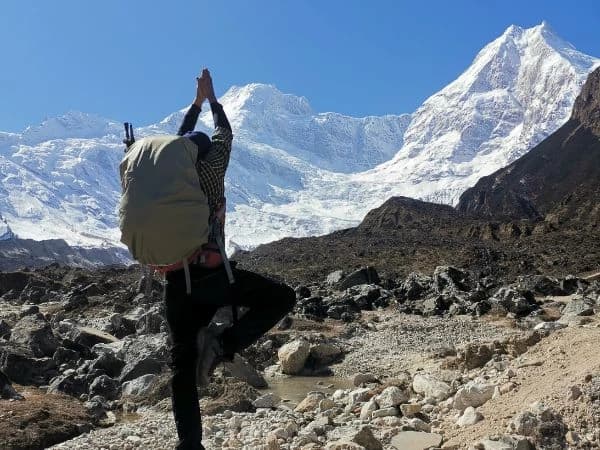
The Manaslu Region is one of Nepal’s most culturally and geographically diverse trekking areas. Trails begin among river valleys, terraced farmland and forest before gradually entering alpine country surrounded by Manaslu, Himal Chuli, Ngadi Chuli, Shringi Himal and other Himalayan peaks.
Unlike trekking routes developed mainly around tourism, many trails in Manaslu follow old village, grazing and trading routes. The Budhi Gandaki Valley historically connected communities of northern Gorkha with Tibet, with salt, wool and livestock moving south while grain and other necessities travelled north.
The region remains quieter than Nepal’s busiest trekking areas and offers several different styles of journey, from high mountain circuits to culturally focused village treks.
Culture and Heritage of Manaslu
One of the most interesting parts of trekking in Manaslu is watching the culture change as the trail gains altitude.
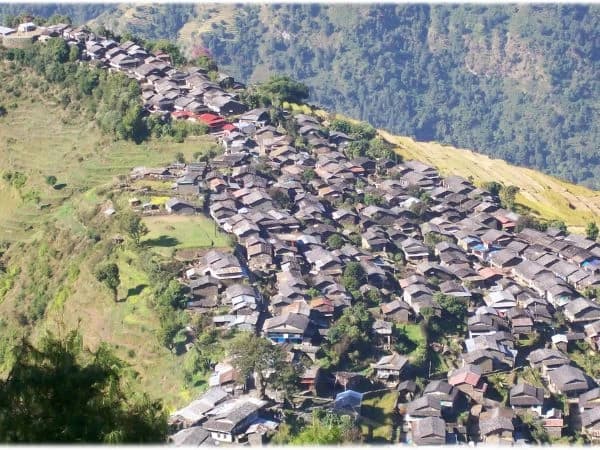
Lower Manaslu has strong Gurung and hill-community traditions. Farther north, trekkers enter Kutang around Bihi and then Nubri around Prok, Lho, Samagaun and Samdo, where Tibetan Buddhist influence becomes increasingly visible through monasteries, chortens, mani walls, prayer wheels and traditional stone settlements.
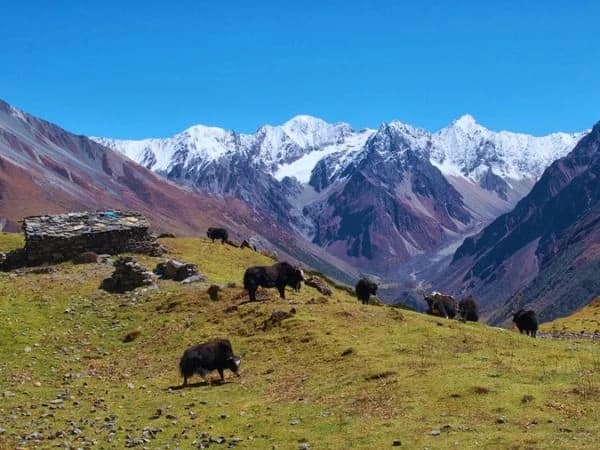
Upper Manaslu communities historically depended on farming, livestock and seasonal grazing. Potatoes, barley and buckwheat became increasingly important at higher elevations, while yaks and dzos provided milk, transport and economic value. Traditional Amchi medicine also formed an important part of life in remote Himalayan communities.
This cultural transition is one reason Manaslu should not simply be described as having one “Tibetan culture.” Different parts of the region have their own communities, languages and traditions.
Samagaun, Pungyen and Sacred Manaslu
Samagaun is one of the most important cultural settlements on the Manaslu Circuit.
For communities living beneath Manaslu, the mountain has long had spiritual as well as geographical importance. Nearby Pungyen Gompa is closely connected with the mountain’s early climbing history. During Japanese attempts on Manaslu in the 1950s, an avalanche damaged the monastery area, and local people associated the disaster with disturbance of their sacred mountain.
Manaslu was eventually climbed successfully in 1956, but the relationship between the mountain, Samagaun and Buddhist belief remains an important part of the region’s story.
Buddhist puja and blessing ceremonies continue to form part of Himalayan expedition culture, showing that climbing here involves more than reaching a summit.
Tsum Valley: The Sacred Side of Manaslu
The Manaslu Region also includes Tsum Valley, the traditional homeland of the Tsumba people.
Historically known as Tsum Tso Chuksum, the valley is known for its strong Buddhist traditions, monasteries, nunneries, mani walls and sacred caves. Important religious sites include Rachen Gompa, Mu Gompa, Gumba Lungdang and Milarepa’s Cave.
One of Tsum Valley’s most distinctive traditions is Shyagya, a community principle of non-violence formally declared in Upper Tsum in 1920. Traditional Shyagya practices prohibit killing animals, hunting and trapping wildlife, reflecting the close relationship between Buddhist belief and conservation in the valley.
For travellers interested mainly in Himalayan culture, monasteries and traditional village life, Tsum Valley offers a very different experience from crossing the high passes of the Manaslu Circuit.
Which Manaslu Trek Is Right for You?
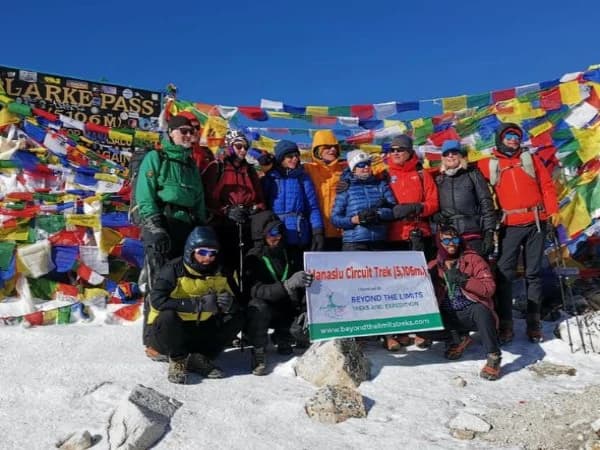
Different routes reveal different sides of the Manaslu Region. Choose a classic Manaslu Circuit trek if you want to follow the Budhi Gandaki through Nubri, visit Samagaun and Samdo, and cross the high Larkya La Pass at 5,106 m.
Choose an alternative or upper route if you prefer quieter trails, lesser-visited villages and more interaction with traditional rural communities.
Choose a Tsum Valley trek if Buddhist heritage, monasteries and Tsumba culture are more important to you than crossing a high mountain pass.
Travellers with more time can combine Tsum Valley with the Manaslu Circuit, while shorter routes in Lower Manaslu are better suited to those interested in Gurung heritage, village life and lower-altitude trekking.
As new trekking routes are developed in the Manaslu Region, there are many ways to experience the area beyond the standard circuit. The best trek depends on your available time, fitness, preferred altitude and whether your main interest is culture, remote villages or high-mountain adventure.
Best Time for Manaslu Region Trekking
The main trekking seasons are spring from March to May and autumn from September to November. Spring brings warmer conditions and flowering forests, while autumn usually offers clear mountain views and stable trekking weather.
Winter trekking is possible on some routes, but Upper Manaslu becomes extremely cold and heavy snow can affect high passes such as Larkya La. Monsoon trekking is also possible on lower routes, although rain and changing trail or road conditions can make journeys less predictable.
The best time ultimately depends on the particular Manaslu route you choose.
Permits and Guided Trekking
Parts of the Manaslu Region, including Manaslu and Tsum Valley routes, fall within Nepal’s restricted trekking areas. Foreign trekkers require the applicable restricted-area and conservation permits, with requirements depending on the chosen itinerary.
Beyond the Limits Treks & Expedition arranges the necessary trekking permits, licensed guides and route logistics for our Manaslu Region journeys.
Whether you want to cross Larkya La, explore the monasteries of Tsum Valley, follow quieter Upper Manaslu trails or experience the villages of Lower Manaslu, we can help you choose or customize a route according to your time, experience and interests.