Nar Phu Valley Trek Introduction
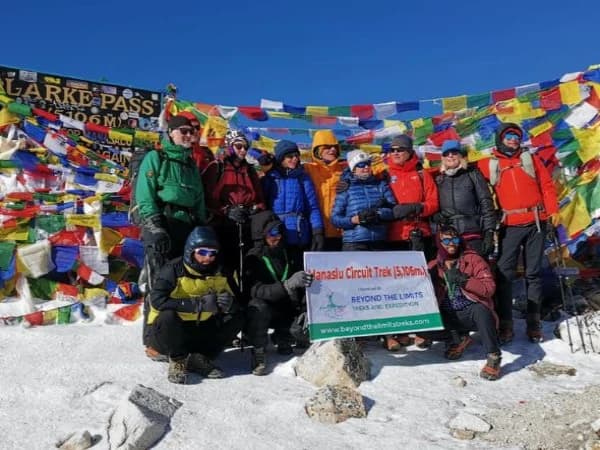
Nar Phu Valley Trek is a hidden gem in Nepal trekking that offers a unique adventure. Nar phu valley trek takes you to quiet, old villages and wonderful rivers, untouched landscapes with a beautiful monastery. You walk past high mountains pass khangla pass 5322meters height and decent , green forests, and narrow valleys. It’s more than just a walk; it’s a chance to see a special part of the world that less crowded trekking in nepal.
Beyond The Limits Treks ensures you have a great trip. Our team knows all the best paths and stories about the valley. We help you see all the amazing sights and learn about the place and its people. Come with us for an adventure in the Nar Phu Valley, where every step is something new and exciting!
The Nar Phu Valley trek is a thrilling journey in Nepal that takes you off the beaten path. It’s perfect for those who love exploring hidden places. The trek starts with a drive from Kathmandu to Besisahar and the next day drive to koto than your real trek /wa;king start which is the gateway to your adventure Nar phu valley. From koto you walk through beautiful forests, cross rivers, and pass by old villages like Meta. The route takes you higher into the mountains, all the way to the remote villages of Phu and Nar. These places feel like they’re straight out of a storybook, with stunning views of the mountains and old monasteries.
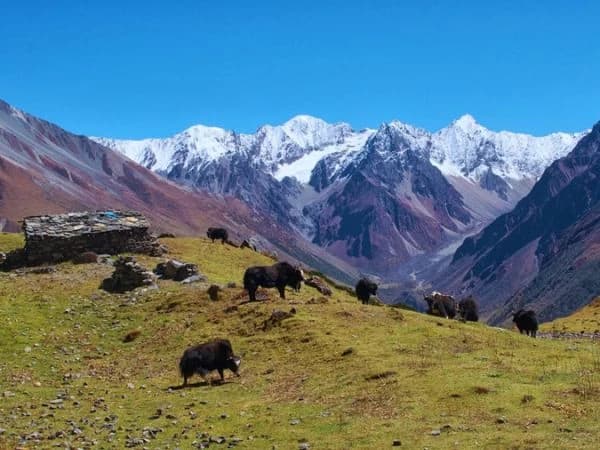
The trek to Nar Phu Valley is more than just walking, it’s about discovering hidden places and learning about the lives of the people who live there. You see things that are different from back home, like yaks carrying goods and people working in fields. It’s a chance to experience a whole new world in the heart of the Himalayas.
Nar Phu Valley Trek in Monsoon (June - August)
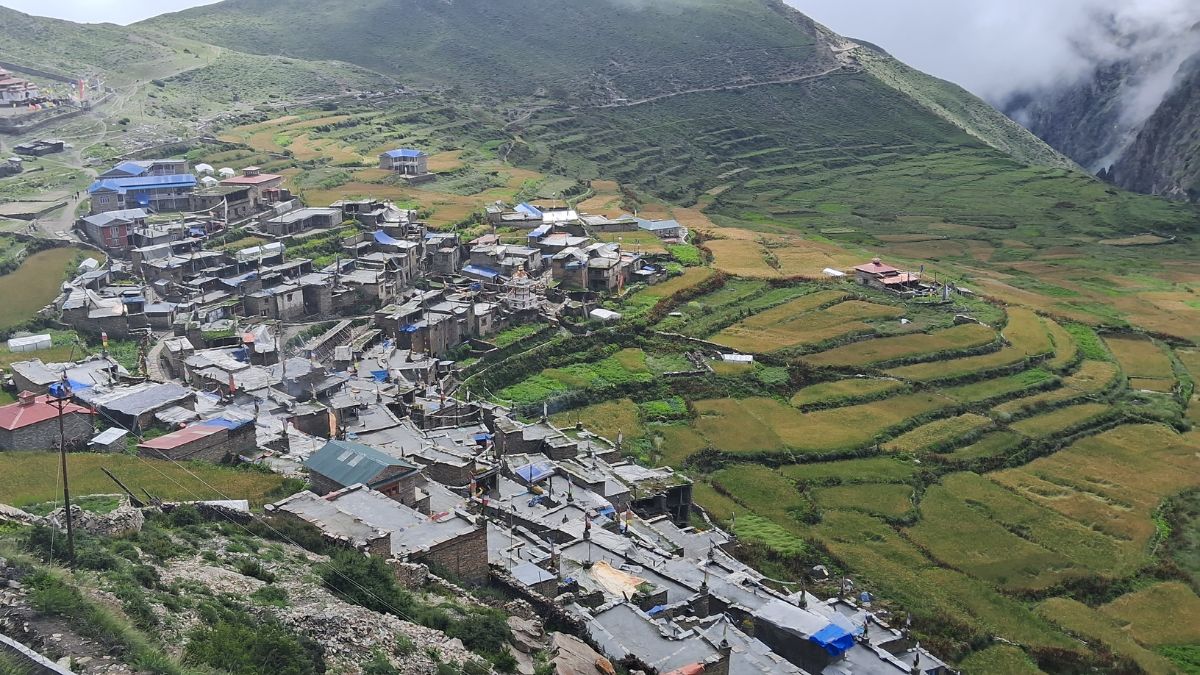
The Nar Phu Valley Trek is one of the few routes in Nepal that can be done during the monsoon season. It is located in the rain shadow area of the Annapurna region; the upper valley receives significantly less rainfall compared to popular treks like Annapurna Base Camp or Everest Base Camp. As you move beyond Koto, the landscape becomes drier and more rugged, often offering clearer conditions even during the rainy months.
While the lower sections of the trail (especially before entering the valley) can experience rain, muddy paths, and occasional leeches, once you reach the higher altitude areas, the weather becomes significantly drier and more stable.
Trekking during the monsoon offers a different kind of experience:
- Lush green landscapes in the lower regions
- Fewer trekkers often very quiet trails
- Clear and dramatic mountain views in the rain-shadow zone
However, it does require flexibility, as road access can be affected by weather conditions. For trekkers who don’t mind occasional rain and have their holiday around monsoon season and wants to do trekking in Nepal, Nar Phu is actually one of the better monsoon trekking options in Nepal.
Can you combine the Nar Phu Valley Trek with the Annapurna Circuit?
Yes, you can combine the Nar Phu Valley Trek with both the Annapurna Circuit, and many trekkers choose to do so if they have extra time. After completing the Nar Phu Valley and crossing Kang La Pass, the trail naturally joins the Annapurna Circuit at Ngawal. From there, you can continue towards Manang and go on to cross Thorong La Pass, doing the Nar Phu valley with the Annapurna Circuit Trek.
It is also possible to include Tilicho Lake in the same journey. After reaching the Annapurna Circuit route, you can take a side trip towards Tilicho Base Camp and visit Tilicho Lake before continuing the trek. If you do not have many days, you can only do the Tilicho Lake side trip, which is one of the highest altitude treks in the world.
Both options extend the duration of the trek and make it more physically demanding, but they also add more variety in terms of landscapes and overall experience. If you are interested in combining these routes, we can customise the itinerary based on your time, pace, and trekking experience, and recommend the best option for you.
Nar Phu vs Annapurna vs Manaslu
Trekkers often compare Nar Phu with other popular routes, but the experience is quite different.
The Annapurna Circuit offers variety and accessibility but has become more developed over time.Clasical annapurna Trek was very Popular start from Besisahar and end at Nayapul. This Trek was for 21days. Now a days the trek being shorter after the Road Build to go to manag village. the Annapurna circuit became about 12 days in cluding two days Bus Transportation. The Manaslu Circuit provides a remote experience but is growing in popularity each year.
Nar Phu, on the other hand, remains one of the least visited and most preserved trekking regions in Nepal, offering a deeper sense of isolation and authenticity off the beaten path in Himalaya. If your priority is fewer crowds and a more raw Himalayan experience, Nar Phu stands out as the better choice.
What Makes Nar Phu Valley Trek Unique?
The Nar Phu Valley trek stands out for its blend of adventure and culture, hidden away in a less-traveled part of Nepal. It's not just a trek; it's a journey into a world where ancient traditions thrive, and nature is in its purest form.
Let’s explore what makes this trek a must-do for those seeking something truly different.
1) Secluded Trails
Unlike the more frequented paths in other regions of Nepal, the trails of Nar Phu Valley are remarkably secluded. It allows you to immerse yourself in the serenity and unspoiled beauty of the Himalayas. Walking these paths feels like discovering a secret world, where each turn offers a new, breathtaking view, and the peace of nature is all-encompassing.
2) Rich Tibetan Culture
The Nar Phu Valley is a treasure trove of rich Tibetan culture. As you trek, you encounter villages where time seems to stand still, and traditional Tibetan lifestyles are preserved. From spinning prayer wheels to ancient rituals, you get an authentic glimpse into a culture that has remained largely unchanged for centuries. This cultural richness adds a profound depth to your trekking experience.
3) Dramatic Landscapes
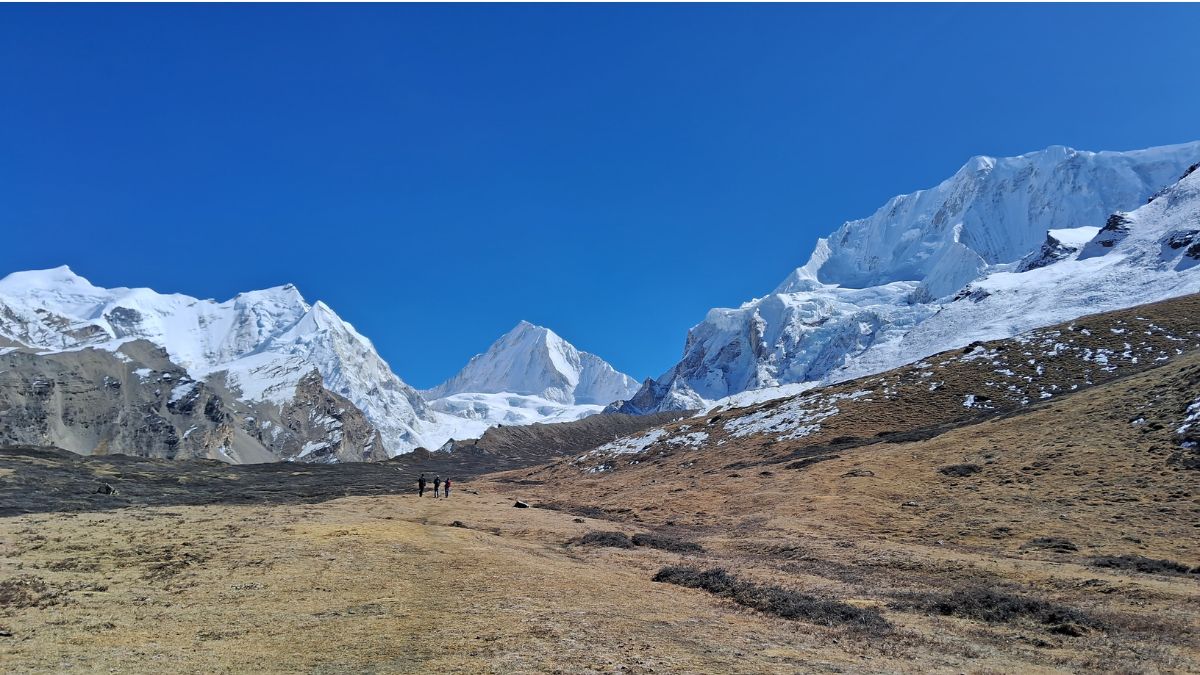
The trek through Nar Phu Valley is a journey through some of the most dramatic landscapes you’ll ever see. Imagine walking through narrow canyons with towering cliffs, crossing over high suspension bridges, and being surrounded by snow-capped peaks. Each day of the trek unveils a landscape more stunning than the last, offering a visual feast that’s both exhilarating and humbling.
4) Ancient Monasteries and Villages
The valley is dotted with ancient monasteries and villages that seem to echo stories from a bygone era. Visiting these places, you feel a deep sense of history and spirituality. The ancient architecture, coupled with the backdrop of the Himalayas, makes for an experience that’s not just picturesque but also spiritually uplifting.
5) Unique Wildlife
The Nar Phu Valley trek offers opportunities to witness unique wildlife native to this region. From rare bird species to elusive mountain animals, the biodiversity of the Nar Phu Valley adds an exciting element of surprise to your trek. For nature enthusiasts and wildlife lovers, these sightings enrich the trekking experience, making it about more than just the walk – it’s a journey through the living, breathing heart of the Himalayas.
Accommodation and Food During the Nar Phu Valley Trek
Accommodation on the Nar Phu Valley Trek is in basic local teahouses, and it’s important to set the right expectations here.
In the lower sections of the trek, lodges are relatively comfortable, with simple twin-sharing rooms and a decent variety of food options. However, as you move deeper into the valley, especially in places like Phu, the facilities become much more limited.
Rooms are simple, often with shared bathrooms, and heating is usually only available in the dining area. Hot showers, charging facilities, and Wi-Fi are either limited or not available in remote sections.
Food is freshly prepared but also becomes more basic as you go higher. You’ll find staples like dal bhat, noodles, soups, potatoes, and some Tibetan-style dishes. The menu is not extensive, but meals are filling and suitable for trekking conditions.
This is part of what makes Nar Phu special, it’s not commercialised. The simplicity adds to the authenticity of the experience.
Nar Phu Valley Trek Cost 2026 and 2027:
Nar Phu valley trekking cost starts from USD and can go up to USD per person, depending on the standard of Service you like to take, group size and mode of transportation public Transport or private jeep Transportation.beyond the Limits treks is always happy to cutomized the trip accourding our valued clients intrest.Nar Phu valley trekking Prices may vary slightly between travel agencies based on the level of support, accommodation, and additional services provided such as porter, single suplimentry. Please refer to the table below for the detailed group pricing.
Why Nar Phu Valley Trek with Beyond The Limits Treks and Expedition?
Choosing Beyond The Limit Treks Beyond the Limits Treks for your Nar Phu Valley trek means embarking on an adventure that’s not only exciting but also well-managed and enriching.
- Experienced Guides: Our local guides are knowledgeable about the trails and deeply understand local cultures and traditions. We ensure a safe and informative trek.
- Customised Itineraries: We tailor our itineraries to suit your preferences and abilities, ensuring a comfortable and enjoyable trekking experience.
- Focus on Safety: Your safety is our top priority. We take all necessary precautions and provide the right support to ensure a worry-free trek. we do have comprehensive medical kit. assitance guide more than 6 pax
- Sustainable Practices: We’re committed to responsible tourism. Our practices are designed to minimize environmental impact and support local communities.
- Local Insights: Trekking with us offers a unique opportunity to gain insights into the local way of life, thanks to our strong connections within the communities along the trail.
- All of Our Trekking crews has insurance that coverd Medical and evacuation Just incase they get sick or accident .
With BTLT, your Nar Phu Valley trek isn’t just a journey through stunning landscapes; it’s a doorway to new experiences, friendships, and understanding of this beautiful region.