History of Janakpur Dham:
Janakpur holds a special place in Hindu mythology and is closely associated with the ancient epic Ramayana. According to the Ramayana, Janakpur was the capital of the Kingdom of Mithila and the home of King Janak, a wise and respected ruler. It is believed that Goddess Sita was born in Janakpur and spent her childhood here before marrying Lord Ram, the prince of Ayodhya.
The story of Ram and Sita remains deeply woven into the identity of Janakpur. According to the Ramayana, King Janak organized a grand swayambar for his daughter Sita, where princes from across the region were invited to compete for her hand in marriage. Lord Ram won the contest by lifting and breaking the divine bow of Lord Shiva (one of the three supreme god in Hinduism), leading to the sacred marriage of Ram and Sita in Janakpur. Today, this divine union is celebrated annually during the famous Vivah Panchami festival, attracting pilgrims from Nepal and India.
For centuries, Janakpur has remained an important pilgrimage destination and a center of religious learning, devotion, and cultural heritage. Pilgrims visit the city to explore the sacred places associated with Lord Ram and Sita and to participate in religious ceremonies and festivals celebrated throughout the year. The city continues to preserve its ancient traditions while welcoming visitors from around the world.
Janaki Mandir – The Crown Jewel of Janakpur
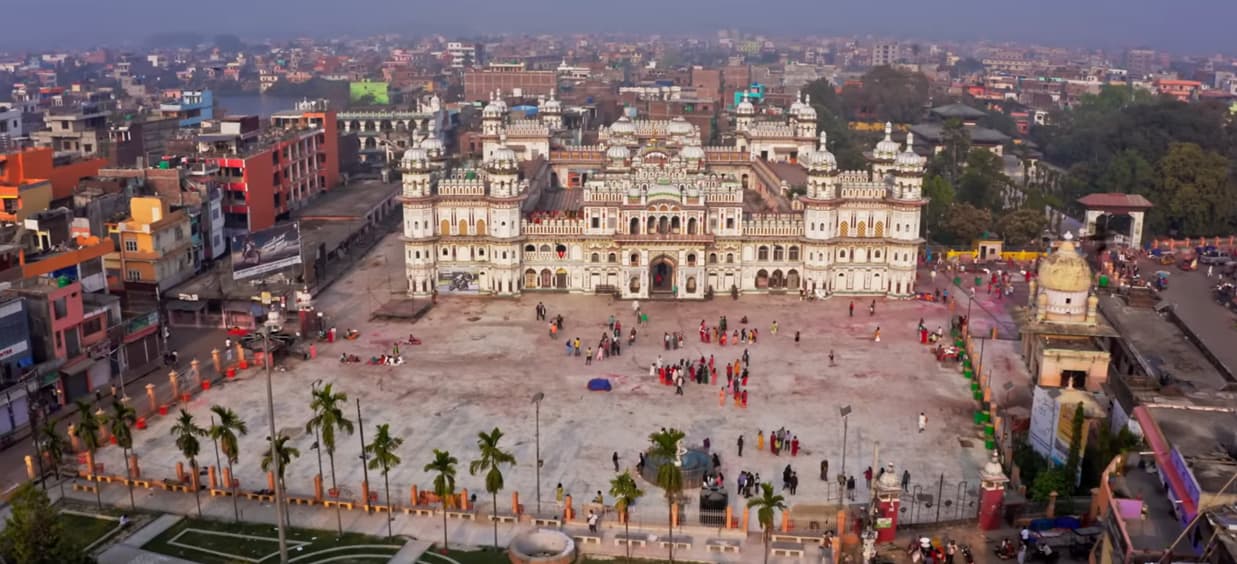
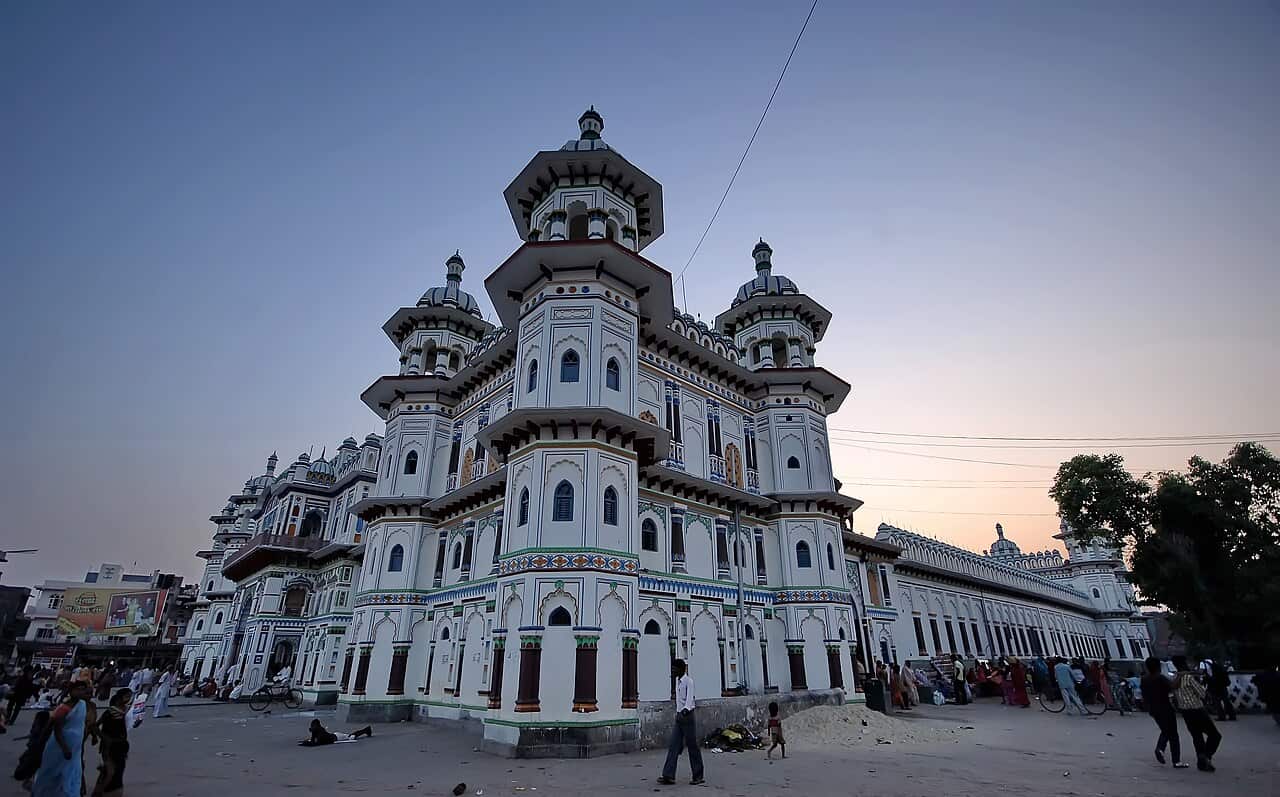
Janaki Mandir is the most important landmark in Janakpur and one of the largest and most beautiful Hindu temples in Nepal. It is dedicated to Goddess Sita; the temple is a masterpiece of Mughal, Rajput, and Koiri architectural styles with beautiful domes, arches, carvings, and colorful decorations. The temple stands at the site where she is believed to have lived during the era of King Janak. Janaki Mandir is also known as “Nau Lakha Mandir” because it is said that, in the time when it was built, it cost “Nau Lakh” - 9 Lakh, and it took 17 years to complete this historical palace.
The temple was built in 1910 by Queen Vrisha Bhanu of Tikamgarh, India. Unlike other traditional Hindu temples, Janaki Mandir is a stunning white palace that covers a large area and is decorated with artistic windows, colorful decorations, intricate designs, and vibrant paintings.
The temple covers a large area and contains numerous shrines, courtyards, and prayer halls. Thousands of devotees visit Janaki Mandir every day to offer prayers and seek blessings from Goddess Sita. During major festivals such as Vivah Panchami, Ram Navami, and Janaki Navami, the temple becomes the center of grand celebrations filled with devotional songs, religious ceremonies, and cultural performances. The evening Aarati at Janaki Mandir is one of the highlights of any visit to Janakpur, creating a peaceful and spiritual atmosphere that leaves a lasting impression on visitors.
Ram Janaki Vivah Mandap
Ram Janaki Vivah Mandap shows a glimpse of the sacred marriage ceremony of Lord Ram and Sita. It is located near Janaki Mandir, and according to Hindu belief, this is the site where their divine wedding took place thousands of years ago. This place is the living testament of Ramayana history.
This beautifully decorated structure attracts pilgrims throughout the year and plays a central role during the Vivah Panchami festival when symbolic wedding ceremonies are reenacted with great devotion and enthusiasm. The Vivah Mandap remains one of the most important religious sites in Janakpur and offers visitors a deeper understanding of the city's spiritual significance.
Getting Married in Janakpur (Destination Wedding)
For couples who are seeking marriage of eternal devotion, there is no place on Earth more sacred than Janakpur, Nepal. Getting married at the sacred Ram Janaki Vivah Mandap (where Lord Rama and Goddess Sita wed) is a highly sought-after dream for many Hindu couples. The Vivah Mandap (often called the Marwa) features an open pavilion with intricate Nepalese and Mithila architecture. Inside, life-sized statues depict the original marriage ceremony
Many devotees visit the Mandap regularly to relive the history, but to get actually married in this place requires administrative coordination. The nearby Mani Mandap is a primary venue used for hosting grand, arranged community weddings (such as those organized by organizations like the Vishva Hindu Parishad)
In traditional Hindu astrology, the festival day of Vivah Panchami (the legendary marriage anniversary) is generally not considered an auspicious date for normal couples to tie the knot. It is best to consult a family priest to select a personalized auspicious date (shubh muhurat).
Sacred Ponds of Janakpur
Janakpur is also known for its numerous sacred ponds, many of which are associated with religious stories and rituals. Among the most important are Dhanush Sagar and Ganga Sagar, which attract pilgrims seeking spiritual purification and blessings.
These ponds serve as important gathering places during religious festivals and offer peaceful surroundings for reflection and worship. The sacred water bodies contribute to the unique spiritual atmosphere that defines Janakpur Dham.
Mithila Culture and Traditions
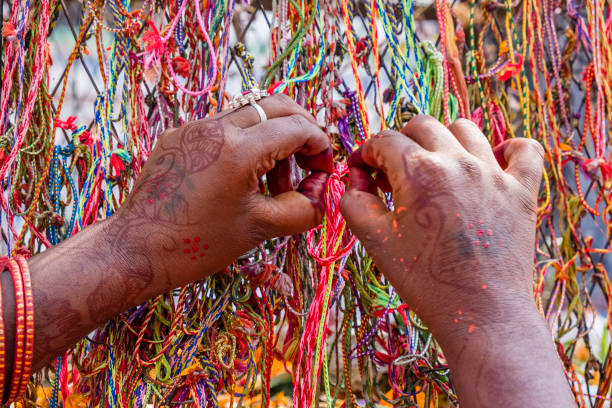
Beyond its religious importance, Janakpur is the cultural heart of the Mithila region. The city is home to the Maithili people, who are known for their rich traditions, colorful festivals, folk music, traditional dances, and distinctive art forms.
Janakpur is internationally famous for Mithila Art, also known as Madhubani Art. This traditional style of painting features vibrant colors, intricate patterns, and depictions of Hindu deities, nature, and everyday life. Visitors can explore local art galleries, handicraft centers, and markets to learn more about this unique artistic heritage.
The hospitality of the local people, traditional Maithili cuisine, and lively cultural atmosphere make Janakpur a rewarding destination for travelers seeking authentic cultural experiences.
Major Festivals of Janakpur:
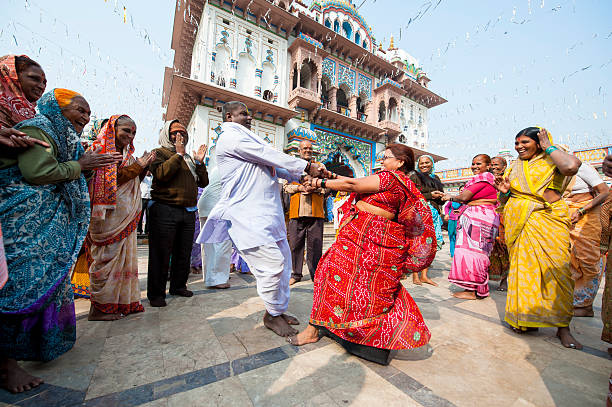
Janakpur celebrates numerous religious festivals throughout the year, drawing pilgrims and visitors from across Nepal and India.
1) Vivah Panchami:
Vivah Panchami is the most important festival in Janakpur. Celebrated every year in November or December, it commemorates the divine wedding of Lord Ram and Goddess Sita. The marriage between Lord Ram and Goddess Sita is seen as eternal devotion, because of why many people want to get married in Janakpur. The city comes alive with religious processions, traditional music, cultural performances, and symbolic wedding ceremonies.
2) Ram Navami:
Ram Navami marks the birth anniversary of Lord Ram and is celebrated with special prayers, devotional songs, and religious gatherings at Janaki Mandir and other temples throughout the city. There is a huge rally in Janakpur during this day to celebrate the birth anniversary of Lord Ram.
3) Janaki Navami:
Janaki Navami celebrates the birth of Goddess Sita and holds special significance in Janakpur. Thousands of devotees gather at Janaki Mandir to participate in prayers and religious ceremonies.
4) Chhath Festival:
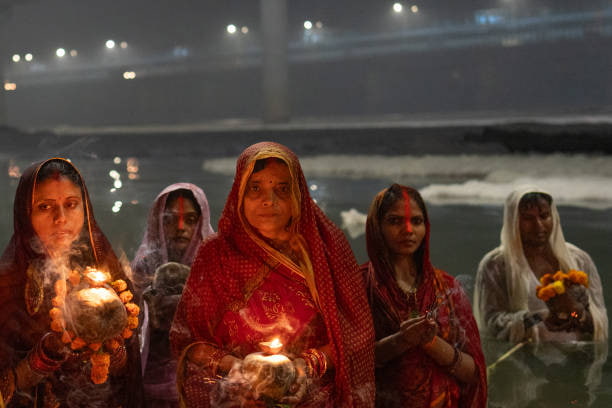
One of the most important festivals of the Terai region, Chhath Puja is dedicated to the Sun God. Devotees gather around the sacred ponds of Janakpur to offer prayers to the setting and rising sun, creating a spectacular cultural and spiritual experience.
Major Attractions of Janakpur Dham:
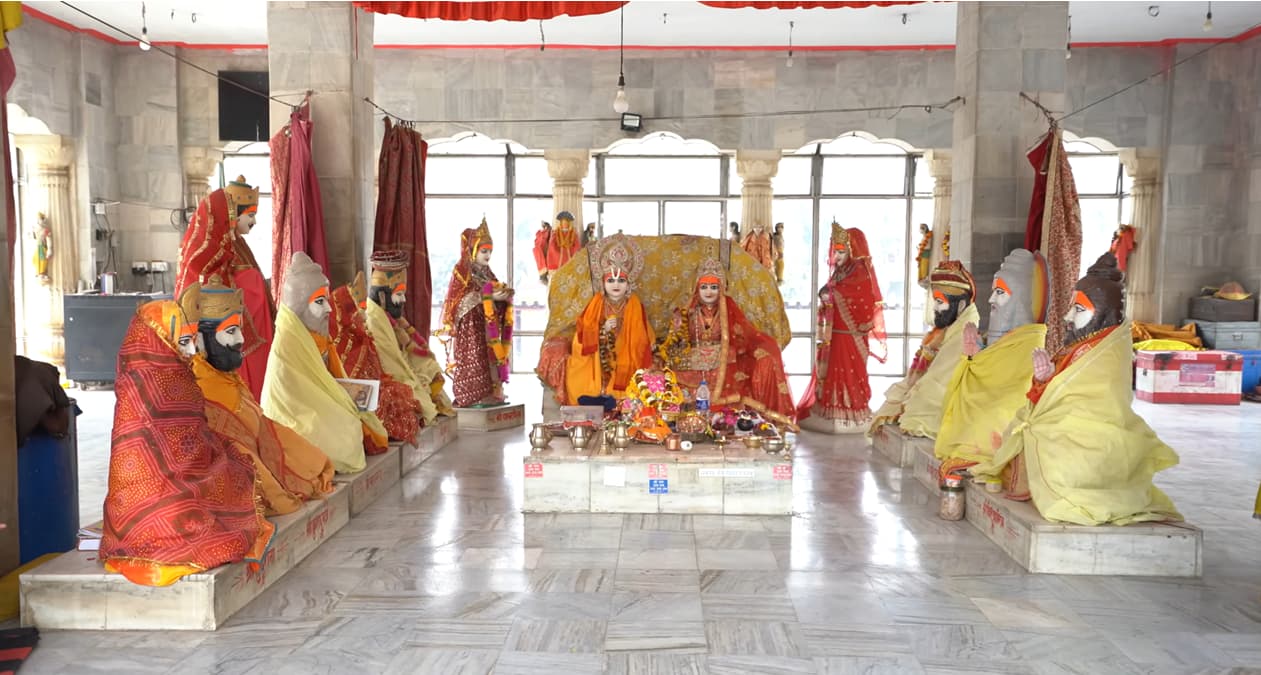
Janakpur Dham is home to numerous temples, sacred ponds, historical landmarks, and cultural sites that show you a deep connection with the Ramayana and the ancient Kingdom of Mithila. During this Janakpur Dham Tour, visitors will have the opportunity to explore some of the most important religious and cultural attractions in Nepal.
1) Janaki Mandir:
Janaki Mandir is the most famous attraction in Janakpur and one of the largest Hindu temples in Nepal. Dedicated to Goddess Sita, the temple is believed to stand on the sacred site associated with her life and childhood. Built in 1910 by Queen Vrisha Bhanu Kunwari of Tikamgarh, India, the temple is a stunning example of Mughal, Rajput, and local architectural styles.
2) Ram Janaki Vivah Mandap:
The Ram Janaki Vivah Mandap is one of the most sacred sites in Janakpur. According to Hindu tradition, this is the location where Lord Ram and Goddess Sita were married. The site becomes especially important during the Vivah Panchami festival, when thousands of pilgrims gather to celebrate the symbolic marriage of Ram and Sita.
3) Ram Mandir:
Ram Mandir is another significant religious site in Janakpur. It is dedicated to Lord Ram, and the temple attracts devotees throughout the year who come to offer prayers and participate in religious ceremonies.
4) Dhanush Sagar:
Dhanush Sagar is one of the largest and most sacred ponds in Janakpur. According to local beliefs, the pond is associated with the divine bow of Lord Shiva that Lord Ram broke during Sita's swayambar. Pilgrims often visit Dhanush Sagar for prayer, reflection, and participation in religious rituals.
The pond is particularly lively during major festivals when devotees gather for ceremonial activities and celebrations.
5) Ganga Sagar:
Located near Janaki Mandir, Ganga Sagar is another important holy pond that attracts pilgrims and visitors. During the Chhath Festival and other religious occasions, the pond becomes a center of devotion and worship.
6) Ratna Sagar:
Ratna Sagar is one of the historic ponds of Janakpur and forms part of the city's spiritual landscape. Though less visited than Dhanush Sagar and Ganga Sagar, it remains an important site connected to the heritage and traditions of Janakpur Dham.
7) Mithila Art and Cultural Heritage:
Janakpur is internationally recognized as the center of Mithila Art, also known as Madhubani Art. This unique painting style is characterized by vibrant colors, intricate patterns, and religious themes inspired by Hindu mythology.
Visitors can explore local art galleries, handicraft centers, and cultural exhibitions to learn more about this centuries-old artistic tradition. Purchasing authentic Mithila artwork is also a wonderful way to support local artists and take home a meaningful souvenir.

Local Markets of Janakpur:
The bustling markets of Janakpur offer visitors a chance to experience local life and culture. Travelers can browse traditional handicrafts, Mithila paintings, religious items, local textiles, and handmade souvenirs. The markets also provide opportunities to taste local Maithili cuisine and interact with the friendly local community.
1) Dhanushadham:
This place holds some fragments of Lord Shiva's bow when Lord Ram broke it during Swayambar. It is located approximately 18 kilometers from Janakpur. According to Hindu tradition, a piece of the divine bow fell at this location after Lord Ram broke it during Sita's swayambar.
2) Evening Aarati at Ganga Sagar:
One of the most memorable experiences in Janakpur is attending the evening Aarati at Ganga Sagar. As priests perform prayers accompanied by devotional music, lamps, and chanting, the temple complex comes alive with spiritual energy and devotion.
The evening Aarati provides visitors with a unique opportunity to witness the living traditions of Janakpur and experience the peaceful atmosphere that has attracted pilgrims for centuries. A huge number of tourists gather to witness the Aarati at Ganga Sagar every evening.
Why Choose Janakpur Dham Tour Package in Nepal?
A visit to Janakpur is much more than a sightseeing tour in Nepal. It is a journey into one of the most important spiritual and cultural centers of the Hindu world. Whether you are a pilgrim seeking blessings, a history enthusiast interested in the Ramayana, or a traveler looking to experience authentic Mithila culture, Janakpur offers a meaningful and memorable experience.
The combination of sacred temples, ancient traditions, colorful festivals, artistic heritage, and warm local hospitality makes Janakpur one of Nepal's most unique travel destinations. This Janakpur Dham Tour provides an excellent opportunity to discover the birthplace of Goddess Sita, explore the rich heritage of Mithila, and experience the spiritual atmosphere that has inspired devotees for centuries.
Other Interesting Tour Packages:


history, architecture, and local culture.