


About Nepal
Discover Nepal with Beyond the Limits Treks and Expedition with different holiday packages. Explore Nepal and immerse yourself in rich culture and breathtaking landscapes. Nepal is one of the richest countries in the world in terms of biodiversity due to its unique geographical position and latitudinal variation. The elevation of the country ranges from 60m above sea level to the highest point on earth, Mt. Everest, 8,848.86m, all within a distance of 150km, with climatic conditions ranging from sub-tropical to arctic. This wild variation fosters an incredible variety of ecosystems: the greatest mountain range on earth, thick tropical jungles teeming with a wealth of wildlife, thundering white water rivers, forested hills, and frozen valleys.
Within this spectacular geography is also one of the richest cultural landscapes anywhere. The country is a potpourri of ethnic groups and sub-groups who speak over 125 languages and dialects. Nepal offers an astonishing diversity of sightseeing attractions and adventure opportunities found nowhere else on Earth. You can join in the numerous annual festivals that are celebrated throughout the year in traditional style, highlighting enduring customs and beliefs.
Nepal is a landlocked country bordering the Tibet Autonomous Region of the People’s Republic of China in the north and surrounded by India in the east, south, and west.
Language
Nepal is a country rich in linguistic diversity, home to more than 120 different languages spoken across its many communities. The official language of Nepal is Nepali, a member of the Indo-Aryan branch of the Indo-European language family. Nepali is used in government, education, media, and daily communication across much of the country.
Besides Nepali, there are many other important languages spoken by different ethnic groups, such as:
- Maithili, Bhojpuri, Tharu, Tamang, Newar (Nepal Bhasa), Magar, Sherpa, Rai, Limbu, Gurung, and many more.
- Each language carries its own rich tradition, culture, and history, making Nepal not just a country of great natural beauty but also incredible cultural and linguistic wealth. In Nepal, language is not just a way to communicate; it is a living expression of identity, tradition, and humanity.
Climate
Nepal has four major seasons, namely: (1) Winter- December-February, (2) Spring- March-May, (3) Summer: June-August, and (4) Autumn: September-November. Nepal can be visited all year round. Global warming or any Other reason, the season is a little bit changed in the Nepal Himalaya
People and Religion
Nepalese people are mainly divided into two distinct groups, the Indo-Aryans and the Mangoloids (the Kirats). Before 2007 AD, Nepal was regarded as the only Hindu Kingdom in the world. But after that, the government of Nepal announced that the country would be secular. The Hindu Temples and Buddhist Shrines are scattered all over the country. Nepal is the birthplace of Lord Buddha, the Herald of Peace, and the Light of Asia. Hindus, Buddhists, Muslims, and Christians live together in harmony. And other nature worshippers, too, exist here.
Currency & Foreign Exchange
Nepali Rupee notes come in Rs. 5, 10, 20, 50, 100, 500, and 1000 denominations. Coins come in Rs. 1, 2, and 5 denominations. Foreign currencies must be exchanged only through banks or authorized money exchangers. The receipts of such transactions are to be obtained and retained. Visitors can exchange foreign currency at the foreign exchange counter at the airport upon arrival. Visitors other than Indian nationals have to make the payment in foreign currency (non-Indian currency) to the hotel, trekking agencies like Beyond the Limits Treks and Expedition, or travel agencies, and for air tickets.
Also Read: Nepal Travel Guide
Major Trading Partner
Major Trading Partners: China, India, European Union, United States of America US, Australia, African nations, and South America
|
Location |
Southern Asia, between China and India |
|
Geographic coordinates |
28° 00' N and 84 ° 00' E |
|
Continent |
Asia |
|
Total Area |
147,516 km2 (56,956 sq mi) |
|
Land Area |
92.94% of 100% |
|
Water |
7.06% (Lakes, Rivers, etc) |
|
Area – comparative |
slightly larger than Arkansas |
|
Land boundaries |
2,926 km |
|
Border countries |
China 1,236 km and India 1,690 km |
|
Coastline |
0 km (landlocked country) |
|
Lowest point |
Kanchan Kalan 70 meters |
|
Highest point |
Mount Everest 8,848.86 meters |
|
Land use |
Arable land 16.07% |
|
Irrigated land |
1.80 million ha out of 2.60, million ha |
|
Population |
30.55 million (2022) |
Ethnic Groups |
Chhetri (16.45%) BrahminHill (11.29%) Magar (6.9%) Tharu (6.2%) Tamang (5.62%) Kami (5.04%) Muslims (4.86%) Newar (4.6%) Rai (2.2%) Damai (1.94%) Gurung (1.86%) Thakuri (1.7%) Sarki (1.55%) Teli (1.48%) Limbu (1.42%) SharmaBadhi (1.35%) Kushwaha (1.22%) Other (24.32%) according to (2021 census) |
Religions |
Hinduism-81.19%,Buddhism-8.21%,Islam-5.09%,Kirat-3.17%,Christianity-1.76%,Prakriti (Nature worship)-0.44%,Bon-0.23%,Jainism-0.01%,Sikhism-0.01%,Other/Not-stated-0.02% |
Languages: |
Nepali 47.8%, Maithali 12.1%, Bhojpuri 7.4%, Tharu (Dagaura/Rana) 5.8%, Tamang 5.1%, Newar 3.6%, Magar 3.3%, Awadhi 2.4%, other 10%, unspecified 2.5% (2001 census)
|
Total Renewable Water Resources |
210 billion cubic meters per year |
Natural Hazards |
Earthquake, severe thunderstorms, flooding, landslides, drought, and famine, depending on the timing and duration of the summer monsoons |
Environmental current issues |
Deforestation (overuse of wood for fuel and lack of alternatives); contaminated water (with human and animal wastes, agricultural runoff, and industrial effluents); wildlife conservation; vehicular emissions, Air Pollution |
Geography |
landlocked; strategic location between China and India; contains eight of the world’s 10 highest peaks, including Mount Everest and Kanchenjunga – the world’s tallest and third tallest – on the borders with China and India, respectively |
Age Structure |
0-14 years: 27.8% 15-64 years: 64.5% 65 years and over: 7.7% The median age is 25.8 years. These figures indicate a demographic shift towards an aging population compared to the 2007 estimates.
|
|
Demography |
Population Growth Rate: 0.7% per year. Birth Rate: 17 births per 1,000 population. Death Rate: 5.6 deaths per 1,000 population. Net Migration Rate: 4.144 migrants per 1,000 population.
|
|
Life Expectancy at Birth |
Total Population: Approximately 72.12 years. Male: Approximately 71.38 years. Female: Approximately 72.9 years.
|
Nepali Flag description
The Nepali flag is the only one flag in the world; its two triangular shapes stacked together reflect Nepal’s uniqueness and proud history.
The crimson red color stands for the bravery, courage, and love of the Nepali people, while the deep blue border symbolizes peace and harmony, values essential to humanity itself.
The two triangles represent the mighty Himalayas and also the two major religions of Nepal, Hinduism and Buddhism, both of which teach compassion and respect for all life.
The moon in the upper part signifies calmness and serenity; the sun in the lower part reflects strength and the eternal energy of the people. Together, they symbolize Nepal’s hope to live as long as the sun and moon forever shine with resilience, kindness, and unity.
At its heart, the Nepali flag is more than a symbol of a nation it reflects the spirit of humanity the power of peace, the importance of compassion, and the dream of lasting togetherness among all people
When to visit Nepal?
Climatic factors are very important in deciding when to visit Nepal. October-November, the start of the dry season, is the best time of year in many ways: the weather is balmy, the air is clean, visibility is perfect,t and the country is lush following the monsoon. February-April, the tail end of the dry season, is the second-best period: visibility is not so good because of dust, but the weather is warm, and many of Nepal’s wonderful wildflowers are in bloom. In December and January, the climate and visibility are good, but it can be chilly: trekkers need to be well prepared for snow, and for cheaper hotels in Kathmandu, nonexistent heating makes for rather gloomy evenings. The rest of the year is fairly unpleasant for traveling: May and early June are generally too hot and dusty for comfort, and the monsoon from mid-June to September obscures the mountains in clouds and turns trails and roads to mud.
Events
Nepal’s festive calendar is hectic. Dasain, celebrated nationwide in October, is the most important of all Nepalese celebrations and features the biggest animal sacrifice of the year. Running a close second is Tihar (November), but unlike Dasain, animals are honored rather than slaughtered. Other festivals celebrated nationally include the water-tinged Holi (March) and Chaitra Dasain (April), which is yet another bad day for animals. Hindu festivals number the Haribodhini Ekadashi (November) and Maha Shivaratri (March), both celebrated in Pashupatinath, the Gai Jatra (August) in Kathmandu, and the Krishna Jayanti (August/September) in Patan. Buddhist celebrations are just as thick on the ground and include Mani Rimdu (November) in Solu Khumbu, Buddha Jayanti (May) in Kathmandu, and Losar (Tibetan New Year) (February) in Swayambhunath, Jawalakhel, and highland communities.
Tourism Activity in Nepal
Nepal is one of the best destinations for adventure tourism, cultural tours, wildlife safaris, spiritual travel, and Himalayan experiences. From world-famous trekking routes to ancient heritage cities, national parks, adventure sports, and peaceful villages, Nepal offers unforgettable travel experiences for every type of visitor.
Adventure Tourism in Nepal
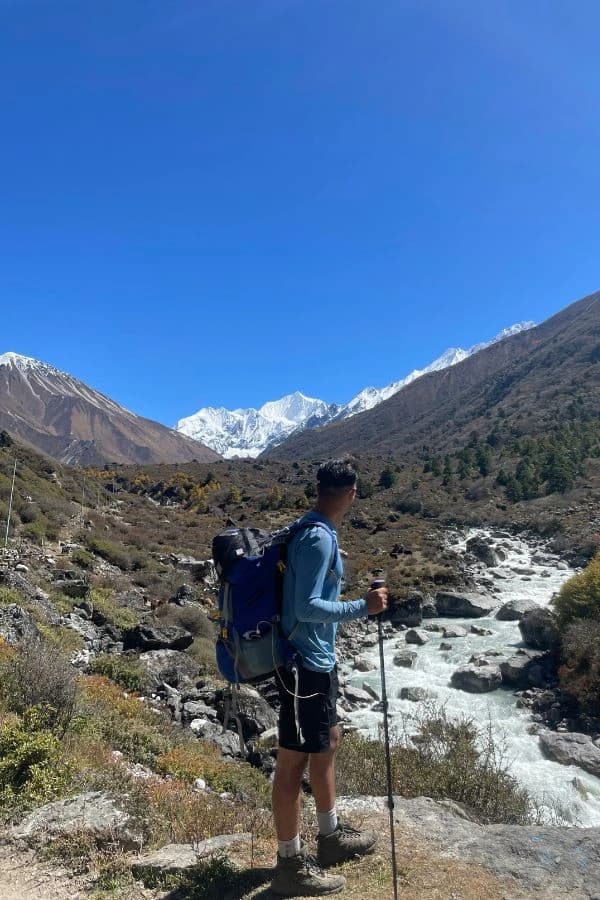
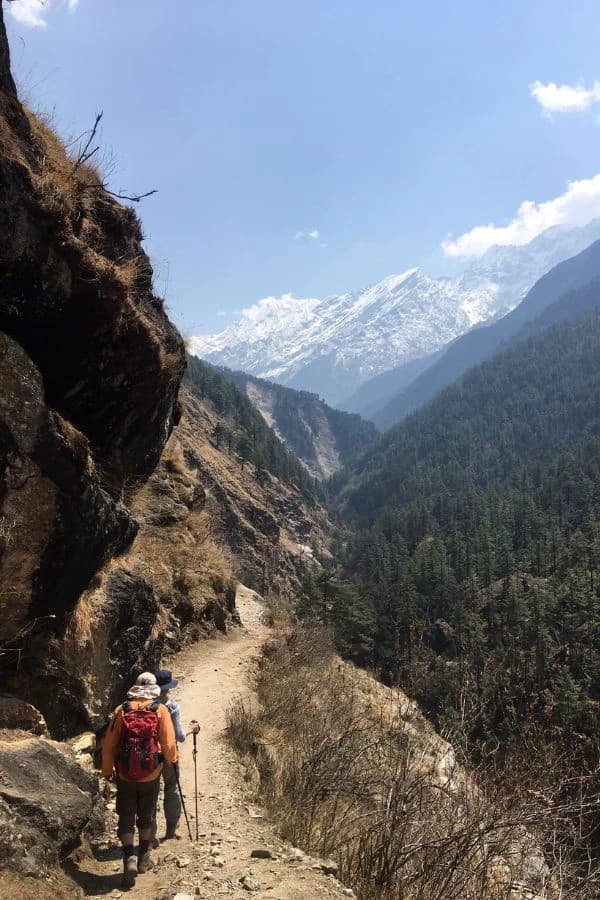
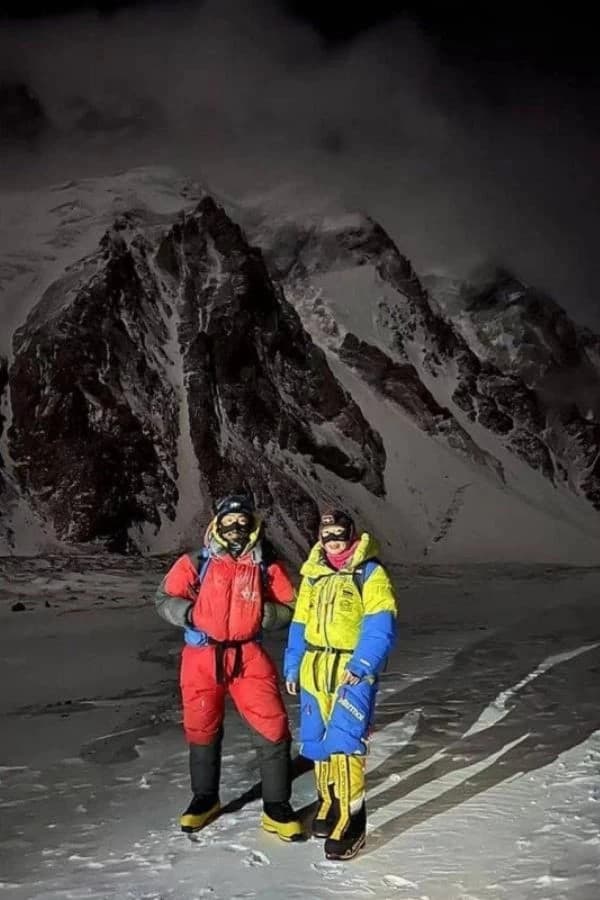
Nepal is famous for trekking and hiking routes such as Everest Base Camp Trek, Annapurna Circuit Trek, Manaslu Circuit Trek, Langtang Valley Trek, Annapurna Base Camp Trek, and Kanchenjunga Base Camp Trek. Travelers can also enjoy peak climbing, mountaineering, mountain biking, rock climbing, canyoning, and off-the-beaten-path wilderness treks.
Cultural and Heritage Tourism
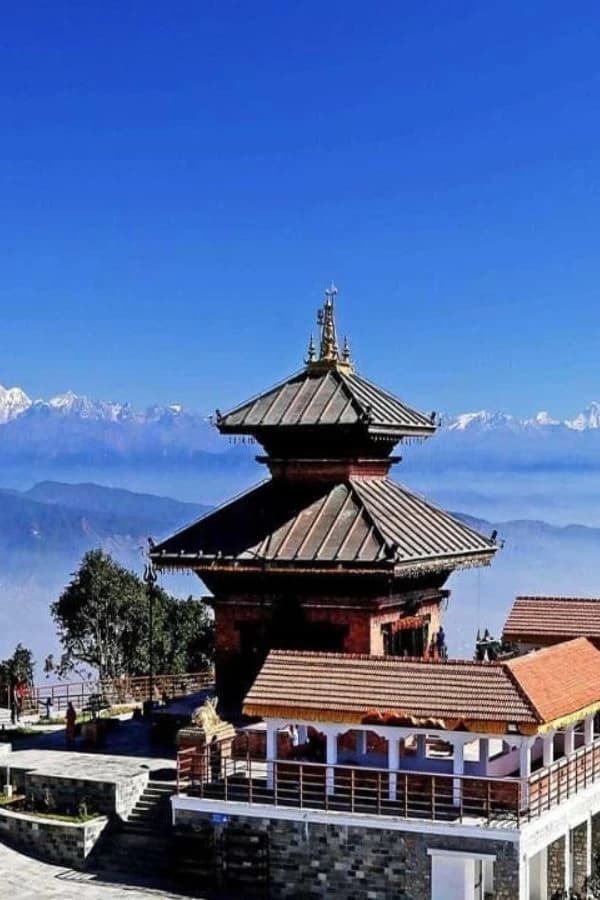
Kathmandu Valley is one of the best places for cultural sightseeing in Nepal, with UNESCO World Heritage Sites, ancient temples, Buddhist stupas, royal palaces, monasteries, Newari architecture, and local markets. Kathmandu, Patan, Bhaktapur, Lumbini, Namobuddha, and Muktinath are popular for Nepal cultural tours, pilgrimage tours, and spiritual travel.
Wildlife and Nature Tourism
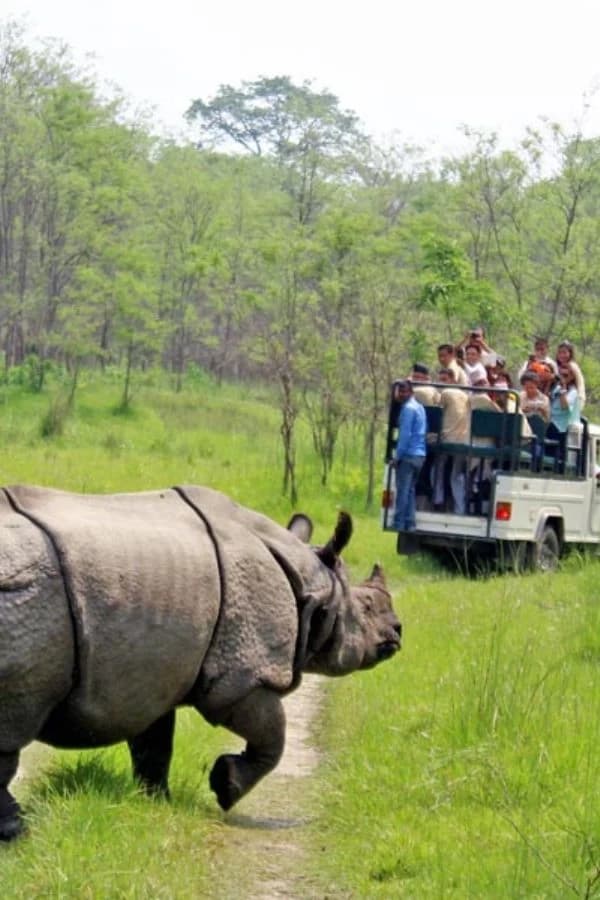
Chitwan National Park and Bardia National Park are the best places for jungle safari tours in Nepal. Visitors can enjoy jeep safaris, canoe rides, bird watching, nature walks, wildlife photography, and cultural visits while looking for one-horned rhinoceroses, Bengal tigers, elephants, crocodiles, deer, monkeys, and many bird species.
Adventure Sports in Nepal
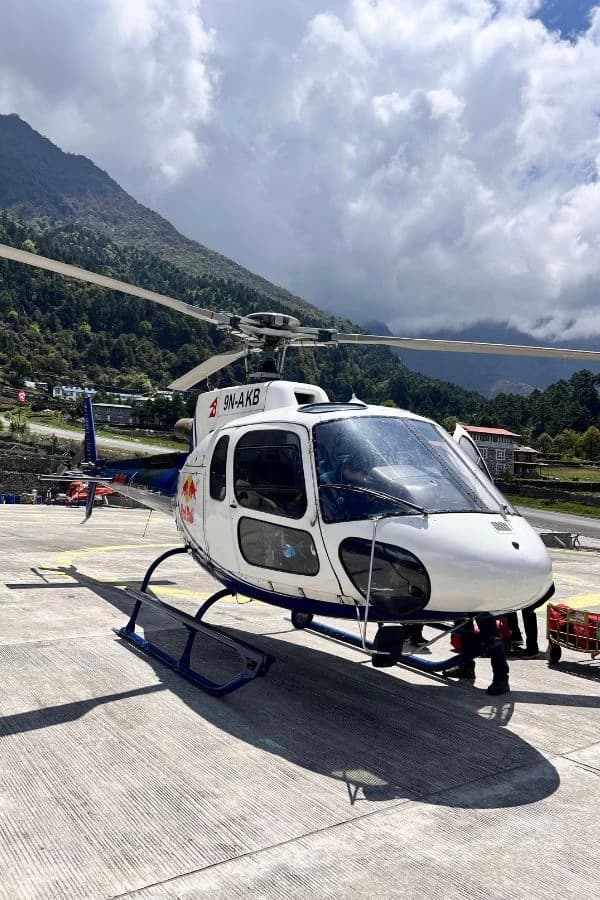
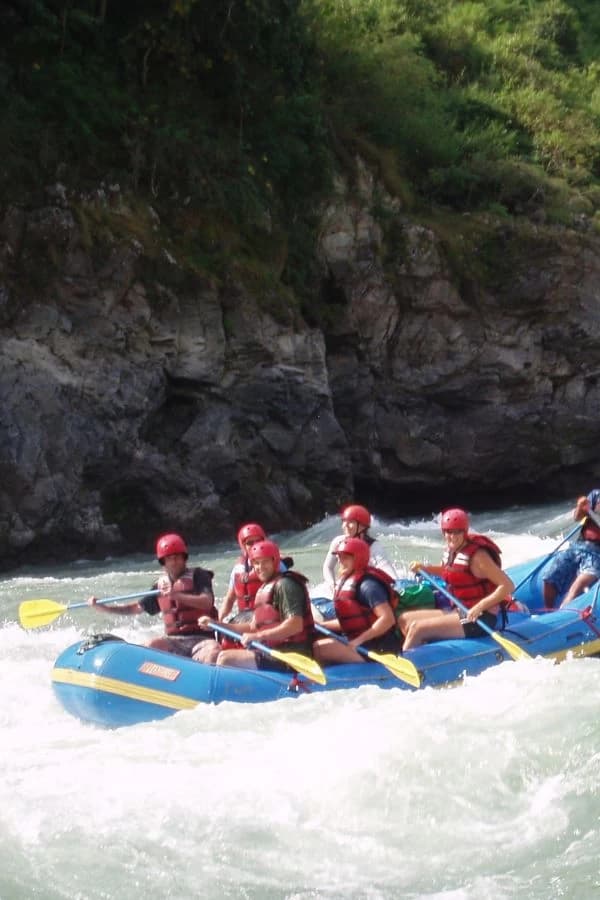
Nepal offers exciting adventure sports for travelers with limited time. Popular activities include paragliding in Pokhara, white-water rafting, bungee jumping, ziplining, canyoning, rock climbing, ultralight flights, Everest mountain flights, and helicopter sightseeing tours with breathtaking Himalayan views.
Spiritual and Wellness Tourism
Nepal is a peaceful destination for yoga, meditation, monastery visits, Buddhist pilgrimage tours, and Hindu spiritual journeys. Lumbini, the birthplace of Lord Buddha, along with Kathmandu Valley, Namobuddha, Kopan Monastery, Muktinath, and Himalayan monasteries, offers meaningful spiritual and wellness experiences.
Rural and Community Tourism
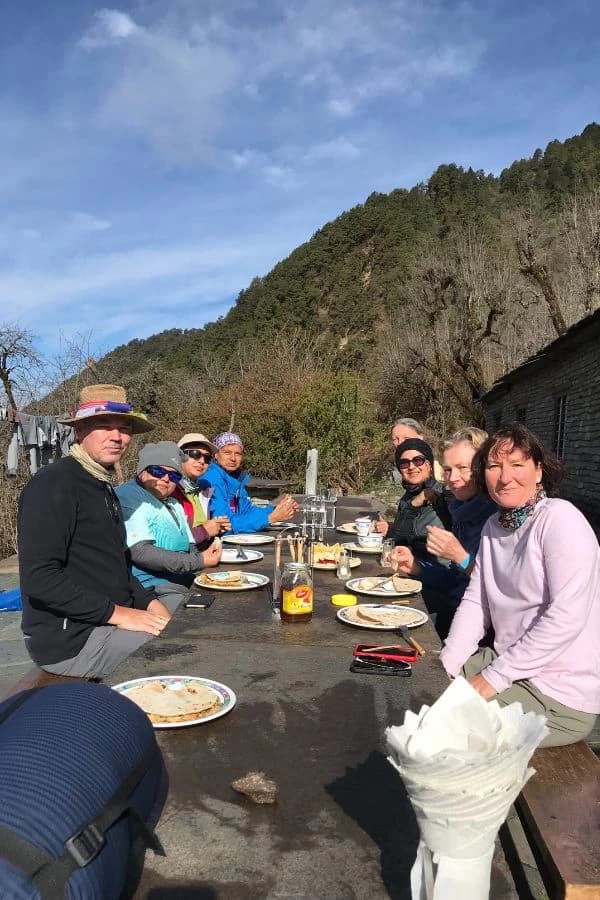
Rural tourism in Nepal allows travelers to experience authentic village life through homestays, local food, organic farming, community-based trekking, and cultural exchanges. These experiences help visitors connect with local people, traditional lifestyles, and Nepal’s warm hospitality.