Muktinath Tour Overview
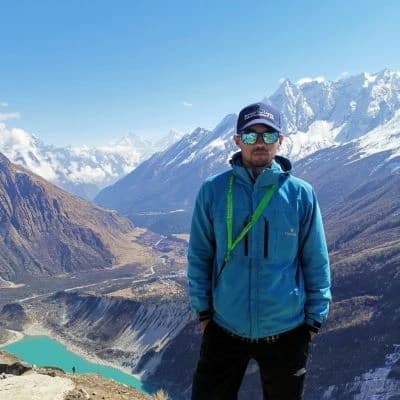
Muktinath Tour Pokhara to Pokhara 2 days is a short spiritual pilgrimage tour. This tour is a perfect combination of the the secret landscape of lower Mustang and the spiritual beauty of Muktinath, and you can enjoy a scenic Himalayan road journey in a short time. It is one of Nepal’s most sacred destinations. Starting from Pokhara, the trip follows the beautiful Kali Gandaki Valley through Beni, Tatopani, Dana, Kalopani, Marpha, Jomsom, Kagbeni, Jharkot, and finally Muktinath.
Muktinath Temple Tour: Mukti Dham is a highly respected pilgrimage site for both Hindus and Buddhists. For Hindu devotees, it is known as a sacred place of Lord Vishnu and is believed to be connected with liberation, purity, and spiritual blessing. For Buddhists, the area is also important for its connection to Himalayan Buddhist traditions and monasteries. The temple complex is famous for its 108 sacred water taps, where pilgrims take a holy bath before worship. Nearby, the Jwala Mai Temple is known for its eternal flame, which adds a profound spiritual dimension to the visit.
The journey itself is one of the main highlights of this 2-day Muktinath Tour from Pokhara. The route offers changing landscapes, from the green hills and valleys around Pokhara to the dry, dramatic, and wind-carved scenery of Mustang. Along the drive, travelers can enjoy views of Fishtail, Mardi Himal, Lamjung Himal, Annapurna South, Annapurna Himal, Dhaulagiri, and the Kali Gandaki Gorge, one of the deepest gorges in the world.
This tour also passes through important cultural and natural places such as Kusma, Beni, Galeshwor Temple, Tatopani Hot Spring, Rupse Waterfall, Dana, Kalopani, Lete, Tukuche, Marpha Apple Village, Jomsom, Kagbeni, and Jharkot. Each place adds something special to the journey, from temples and waterfalls to apple gardens, traditional villages, mountain views, and Mustang’s unique landscape.
The Muktinath Tour 2 Days from Pokhara is done by private jeep, making it more comfortable, flexible, and suitable for families, senior travelers, pilgrims, and groups. The first day includes a scenic drive from Pokhara to Jomsom for an overnight stay. On the second day, you drive early in the morning to Muktinath, perform puja, take a holy bath at the 108 water taps, visit the temple area, and return to Pokhara.
This package is ideal for travelers seeking a short Muktinath Yatra, a Muktinath Temple Tour from Pokhara, a Mustang pilgrimage tour, or a private jeep tour to Muktinath with a local Nepali travel company.

Muktinath Temple and Spiritual Importance
Muktinath Temple is one of the most sacred pilgrimage sites in Nepal and is deeply respected by both Hindu and Buddhist devotees. The word “Mukti” means liberation, and many pilgrims believe that visiting Muktinath brings spiritual peace, blessings, and purification.
The temple is famous for its 108 sacred water taps, where devotees take a holy bath before offering prayers. The cold water flows from the sacred sources behind the temple and is believed to cleanse the body and soul. Near the main temple, visitors can also visit Jwala Mai Temple, where a natural flame burns continuously, creating a unique connection between earth, water, fire, and faith.
The Muktinath area also has monasteries, prayer flags, chortens, and Himalayan Buddhist cultural influence. The peaceful surroundings, mountain views, and spiritual atmosphere make this tour meaningful for pilgrims, cultural travelers, and nature lovers.
Scenic, Cultural and Historical Experience Along the Way
The Pokhara to Muktinath road journey is filled with changing landscapes, mountain scenery, traditional villages, and culturally important places. From Naudanda, clear weather offers views of Machhapuchhre, Annapurna South, Lamjung Himal, and surrounding peaks. The route continues through Kusma, Beni and Galeshwor, an important Hindu pilgrimage area, before following the Kali Gandaki Valley toward Mustang. Around Tatopani, Dana and Rupse waterfalls, travelers experience deep river valleys, waterfalls, and steep mountain landscapes. Kalopani and Lete offer impressive views toward Dhaulagiri, Nilgiri and the surrounding Himalayas. Farther north, Tukuche and Marpha introduce the traditional Thakali culture, stone-built villages and the famous apple-growing region of Lower Mustang. From Jomsom, the landscape becomes noticeably drier and more Trans-Himalayan. The journey then continues through Kagbeni and Jharkot, where traditional architecture, Buddhist culture and the distinctive landscape of Mustang become more prominent. These cultural, historical and scenic experiences make the Muktinath Tour from Pokhara much more than simply a drive to the temple. If the trekkers are doing the Annapurna Circuit ACT Trek. after throng phedi you will arrived to Muktinath after crossing the thorongla pass 5416meters.
Muktinath Tour cost for Indian Nationality
Major Attractions During This Tour
Naudanda – First Himalayan Views
As the journey leaves the Pokhara Valley, Naudanda provides an introduction to the mountain scenery of the region. In clear weather, travelers can enjoy views toward Machhapuchhre, Mardi Himal, Lamjung Himal, Annapurna South and other Annapurna peaks.
Kusma – Hills, Rivers and Deep Valleys
The road through the Kusma area reveals Nepal's dramatic middle-hill geography, with steep slopes, river valleys and settlements spread across the surrounding hills.
Beni & Galeshwor – Gateway to the Kali Gandaki
Beni is an important town at the meeting of the Kali Gandaki and Myagdi river corridors. Nearby, Galeshwor is known for the Galeshwor Mahadev Temple and adds another religious dimension to the journey toward Muktinath.
Tatopani – Natural Hot Spring Settlement
Tatopani, meaning “hot water” in Nepali, is known for its natural hot springs beside the Kali Gandaki. The village has long been an important stopping point for travelers moving through the valley.
Dana & Rupse Waterfall – Dramatic Natural Scenery
Around Dana, the valley becomes narrower and more dramatic. Rupse Waterfall drops down the steep mountainside close to the road and is one of the most recognizable natural landmarks on the journey.
Kalopani & Lete – Dhaulagiri and Mountain Scenery
This section combines forest, river scenery, traditional settlements and close Himalayan surroundings. When visibility is good, travelers can enjoy impressive views of Dhaulagiri, Nilgiri and neighboring peaks.
Tukuche – Traditional Thakali Heritage
Tukuche is an old Thakali settlement in the Kali Gandaki Valley. Its traditional architecture and location on the historic trade corridor between the Himalayan region and Tibet reflect the area's long commercial and cultural history.
Marpha – Stone Village and Apple Country
Marpha is one of the best-known traditional villages of Lower Mustang. Stone-paved lanes, whitewashed houses, Thakali culture and extensive apple growing give the village its distinctive character.
Jomsom – Heart of Lower Mustang
Jomsom sits within the broad Kali Gandaki Valley, surrounded by the dry mountain landscape of Mustang. It serves as an important administrative and travel center and provides a striking contrast to the greener landscapes encountered earlier in the journey.
Kagbeni – Traditional Mustang Culture
Kagbeni is a historic settlement with traditional mud-and-stone architecture, narrow alleys, Buddhist cultural influences and views across the Kali Gandaki Valley. Its landscape and architecture provide a strong introduction to the cultural character of Mustang.
Jharkot – Ancient Settlement Above the Valley
Jharkot is an old mountain settlement on the approach to Muktinath. Traditional houses, Buddhist heritage and the surrounding high-altitude landscape make the drive through this area culturally and visually rewarding.
Muktinath – Sacred Destination of the Journey
At approximately 3,800 meters, Muktinath is the spiritual destination of the tour. Pilgrims come here for darshan and puja, the 108 sacred water spouts, Jwala Mai Temple, the wider Hindu-Buddhist religious heritage of the Muktinath area.