Can Families Really Trek in the Everest Region?
Before delving into this guide, let’s first understand whether the Everest region really is suitable for families. For years, the Everest region has been perceived as a challenge that only fit trekkers can achieve. This region has been wrapped in an aura of extremes with many people visualizing thin air, tough climbs, and seasoned mountaineers chasing the world’s highest peak as soon as they hear the term ‘Everest Region’.
However, over the years, the Everest region has become much more welcoming towards not just beginner trekkers but also towards people of all ages. And this has been quietly made possible by the connectivity and infrastructure available in 2026.
Today, trekking in the Everest region as a family is not just possible but it is an extremely rewarding experience. The key is to prepare well and do it right, and your family will leave the region with enough memories to last a lifetime.
Understanding the Everest Region from a Family Perspective

Contrary to popular belief, the Everest region is one of the few trekking areas in Nepal that works surprisingly well for families. This is because of the decades of trekking history in the region. As thousands of trekkers visit the region every year, the Everest region features well-established trails, comfortable teahouses, strong medical infrastructure, and warm Sherpa hospitality.
These amenities create an ecosystem that works perfectly for people who are trekking with their families.
Some facilities available in the Everest region include:
- Clearly marked trails and gradual ascents
- Daily access to teahouses, food, and rest points
- Proper amenities in the teahouses
- Elaborate food menu catering to every age group
- Medical posts in key villages like Namche Bazaar
- Reliable helicopter evacuation coverage
- Strong mobile connectivity in most areas
These facilities mean reduced uncertainty and more comfort on the trek, which is an important aspect while trekking with kids and older people. Culturally too, the region is perfect for families as children are welcomed everywhere; elders are deeply respected, and family-oriented travel blends naturally with local Sherpa values.
Is the Everest Region Safe for Kids and Older People?
While comfort is an important part of trekking, safety is the first question, and rightly so. But worry not as the Everest region is considered one of the well-managed trekking regions in Nepal, for individual trekkers and families alike. This is because of the well maintained and wide trails which reduce the risk of accidents, close villages with proper accommodation facilities, well-coordinated emergency services, and the warm and welcoming nature of the locals. With trusted local agencies like Beyond the Limits Treks and Expeditions, guides are local, licensed, and well experienced with weather, altitude and health monitoring.
And our itineraries are planned by keeping pace, planning, and altitude management in mind so that families can complete the trek without pushing their physical limits. The safety of your family is our first priority.
Ideal Age Guidelines for Trekking in the Everest Region

While the Everest region is indeed suitable for families, it is important to know the ideal age guidelines for trekking here. With every family being different, these guidelines help set realistic expectations for the trek. In the case of children, the ideal age for trekking in the Everest region is 6 years and above. For seniors, people in their 60s and 70s can also come for trekking in the Everest region given that they are comfortable and in good health.
However, records have been made beyond these guidelines which show that the treks in Everest region are possible for people with proper physical and mental preparation, regardless of their age. Inspiring examples include conquerors of Everest Base Camp like 82-year-old Dave McClung, 6-year-old Maya Bristow, two-and-a-half-year-old Siddhi Mishra, or the youngest person to reach the Everest Base Camp- 2-year-old Carter Dallas from Scotland.
Also Read: 11 Fun Facts About the Everest Region
Preparing As a Family for Everest Region Trekking
Choosing a Family Friendly Itinerary
The key to having a comfortable and successful trek with your family in the Everest region is to choose a family friendly itinerary. The standard trek itineraries might be too fast paced for your entire family to catch up to. You can tweak the itinerary of the standard treks in the Everest region to adapt it to suit your family. This includes adding a few more acclimatization days, shorter hikes every day, and gradual ascents with an achievable elevation profile. Or you could just choose an easy trek in the region.
Some common treks in the Everest region that could be your go to options for family friendly Everest treks include:

Besides this, even popular treks like the Everest Base Camp Trek can be done with family. The key is to focus on pace and preparation and to get your trekking agency to customize the itinerary for you. Add shorter trekking days with less hours of hiking every day and less altitude difference to cover. Don’t keep a tight schedule, allow some days in between to make your trek flexible with buffer days if needed. In these buffer days, you can add more acclimatization days if needed. It also gives you the space to take more breaks while trekking without stressing about missing your return flight.
Altitude Awareness:
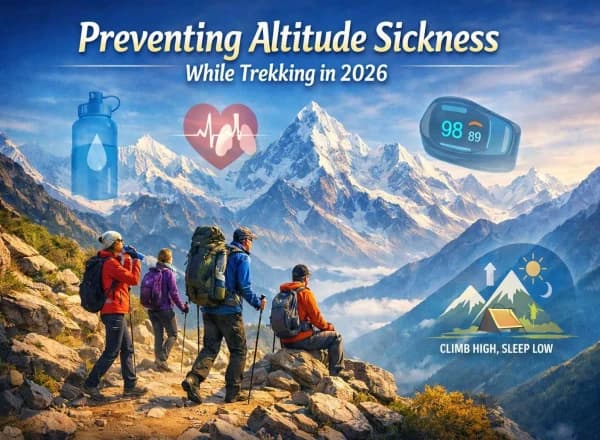
Altitude awareness is always very important during high-altitude treks that cross the altitude of 2,500 meters. But when you have a 10-year-old and a 70-year-old in the same trekking group, it becomes more important to always keep altitude in mind. The basics remain the same to prevent altitude sickness. You need to ascend slowly, hydrate thoroughly, have proper nutritional meals, include ample acclimatization days, and keep a slow pace rather than pushing yourself.
Watch out for common symptoms of altitude sickness like headache, nausea, dizziness, loss of appetite, and loss of sleep. Stop ascending and descend to a lower altitude if the symptoms worsen. While trekking with kids, you must be more mindful as they might not be able to communicate their symptoms. They may not have the vocabulary for nausea or dizziness. So, look for irritability, refusing their favorite snacks, or unusual quietness.
In case of elderly people, make sure to get their full body checkup done before the trek to identify any underlying conditions and get medications for them. Make sure that you constantly monitor their heart rates and ensure that "Slow and Steady" isn't just a mantra, but a law.
Also Read: Underrated Trekking Routes in the Everest Region
Physical Preparation for Families Trekking in the Everest Region

Preparation is the key to a successful family trek in the Everest region. And physical preparation is a big chunk of this. So, make sure to start at least 3 to 6 months before the trek. The goal is to build endurance while maintaining consistency and comfort. You don’t want to push the limits of the children and old people too much as their bodies cannot take it.
You can have a standard preparation with workout routines including lots of cardio and strength training focusing on your legs, calves, and core. Include stair climbing and simulation hikes for better preparation. For children, you can start with light exercises like jogging and regular walks. Light hikes to nearby areas, preferably with slight elevation gain, constantly can also be a good beginning. Slowly engage them in lighter workout routines. Stair climbing can help build their cardiovascular strength. Activities like cycling, swimming, dancing, and outdoor family competitions can also help a lot while keeping them entertained. Teach them basic trail etiquette.
For senior trekkers, encourage them to go on walks daily and integrate breathing exercises in their daily routine. Focus more on balance and joint mobility. And make sure to get their cardiovascular exam done before the trek.
Turning the Trek Into an Adventure
More often than not, trekking with family in the Everest region ends up becoming chaotic because the beauty you might find in the trek might not be seen by people of other age groups, especially kids.
With not much access to the internet, hectic itinerary, and complete contrast to their regular life, kids might get irritable and difficult to handle during the trek. The key is to not force it on them but to make them want to trek further because they enjoy it.
You can do so by turning the trek into an adventure. Play fun games like scavenger hunt where they need to spot certain flora and fauna or birds for rewards later.
You can also reward them every time they complete a section of the trek to keep their spirits high. Divert them towards activities like journaling, photography, first-aid, stargazing, and map reading.
Being the bustling center of culture and stories that the Everest region is, this is your time to make the kids culturally aware and explorative. And just like that, them crossing their first suspension bridge will be a lesson in courage that no school can teach. When it comes to older people, while most of them enjoy a good adventure, some of them might be seeking a spiritual or heritage connection. Worry not, we have plenty of it in the Everest region.
Visiting ancient monasteries like Tengboche offers a spiritual depth that resonates deeply with the older generation. And older trekkers have an advantage while trekking as they often have better mental stamina and are more disciplined with their pacing.
More Related Blogs on Everest Region:
Packing for Family Trek
When it comes to family friendly trekking in the Everest region, a standard packing list won’t cover the nuances. You need to pack smartly while keeping the needs of all age groups in mind. While the foundation remains the standard packing list with layered clothing options with preferably convertible clothing for ease, sleeping bags, first aid box, sunscreen, trekking boots and spare footwear, and more, you need to add a few things especially for the kids and seniors.
For kids, bring a small piece of home like a favorite stuffed animal or a familiar snack like granola bars which gives them comfort and stability amidst this sudden change of routine. Carry small games and journals. And also carry extra warm layers.
For seniors, carry all the prescription medications with some extras, thermal layers, sun protection, and most importantly carry high-quality Carbon Fiber Trekking Poles to reduce impact on knees by up to 25% as joint pain tends to become their biggest foe while trekking.

Accommodation and Food: What to Expect?
When it comes to the Everest region, accommodation and food are not that much of a problem. You don’t have to contemplate adjusting and not finding things that you might like. The Everest region is an area bustling with trekkers. All thanks to this, teahouses in the Everest region are far more comfortable than many expect with many amenities and an elaborate food menu, especially in the low altitude areas. You can easily get private rooms for your family with clean bedding, private bathrooms, Wi-Fi, charging ports, hot water, and hot meals with child-friendly options like pasta, rice, eggs, soups, and pancakes.
Safety Tips and Considerations
For a family trek in the Everest region, you need to be more prepared. And that includes keeping in mind some safety tips to make your trek more comforable:
- Plan a slow ascent profile with small distance and small altitude difference covered everyday so that everybody has ample time to adapt.
- Drink lots of fluids and keep a good supply of nutritional snacks like dry fruits and protein bars, especially for kids and senior trekkers.
- Hire local guides and partner up with local travel agencies like Beyond the Limits Treks and Expeditions who are experienced in dealing with family treks and are trained for emergencies.
- Get proper first-aid training before the trek to treat basic injuries and hypothermia. This is important despite your guide having first-aid training.
- Carry a full-fledged first-aid kit with every important medicine and ointment keeping in mind the potential hazards that might come your way.
- Ensure that you have all the important local contact information and although Wi-fi and internet services are available in the region, it is best to obtain a local SIM card to stay connected.
- Emergency evacuation, although readily available, can be costly. So, make sure to get proper trekking insurance for each family member before going for the trek.
Technology and Safety in 2026
Modern trekking has completely transformed family safety while trekking in the Everest region. In 2026, there are mobile networks in most villages. Everest Link, a dedicated service in the Everest region, provides prepaid Wi-Fi cards for connectivity throughout the trek.
Most teahouses have Wi-Fi which can be used at a decent speed. This enables GPS tracking and emergency communication if required, without needing a satellite phone. Proper helicopter evacuation sites have been made throughout the Everest region so that you can easily be evacuated in case of any emergency. And you will always have your licensed guide with you.
Besides that, technologies like smart watches and trackers like oximeters make it a lot easier for you to keep track of your health and alert you if you get any symptoms of altitude sickness. Due to availability of all this, Everest region is one of the most technologically supported trekking regions of Nepal.
Conclusion
A family trek in the Everest region is more than just a vacation; it connects you with your family on different levels and passes down a legacy bound with experiences and memories. It is a story that your children will share with their children.
And at Beyond the Limits Treks and Expeditions, we understand that. With us, you aren’t just hiring an agency; you are gaining a Himalayan family who will ensure your youngest and oldest members are safe, inspired, and empowered.
So, ready to create a family story that lasts a lifetime with Everest standing solid in the background? Contact us today.