There are Himalayan peaks that you admire, that you dream of climbing one day, and the mountains that you actually climb. Then there is Mt. Kailash at 6,638 meters which simply admire and walk around, in silence, humility, and reverence.
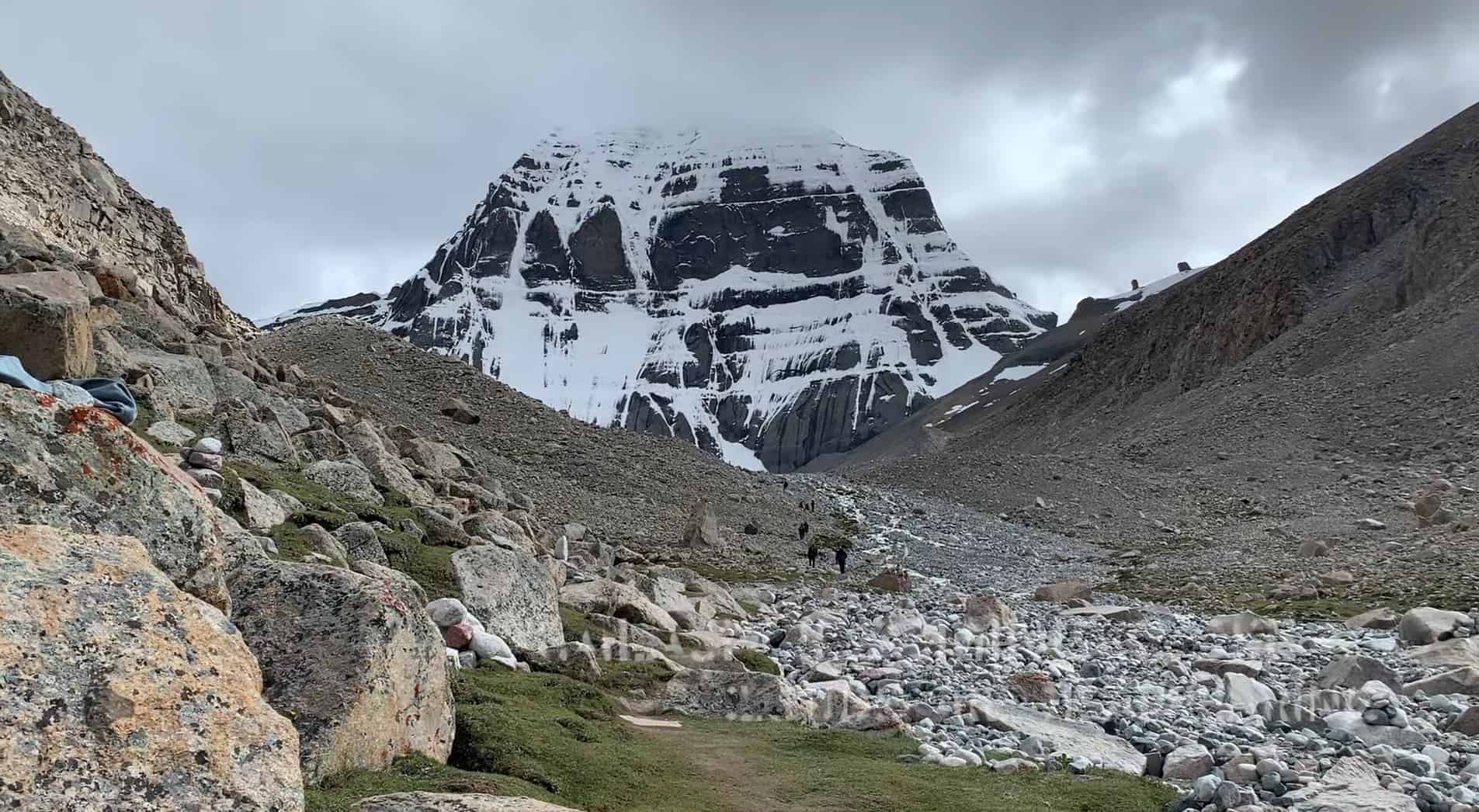

There are Himalayan peaks that you admire, that you dream of climbing one day, and the mountains that you actually climb. Then there is Mt. Kailash at 6,638 meters which simply admire and walk around, in silence, humility, and reverence.
Located in the vast Tibetan plateau, Mount Kailash is often known as the axis mundi or the spiritual axis of the world. It is the symbolic center of the world, the cosmic center where heaven meets earth. And for thousands of years, it has been a popular pilgrimage site known for the deeply spiritual Kailash Parikrama or Kora. In today’s fast paced world, Kora stands apart as it is not about reaching the top; it is about completing a circumambulation.
For the modern seeker, the Kora or Kailash Parikrama can be a great option regardless of whether you are walking to shed old karma or to find a moment of stillness in a chaotic world. This 52km circuit around Mt. Kailash is the ultimate human endeavor.
But what exactly is Kailash Parikrama? If you are asking this question, this travel blog is the right place for you as we delve deep into everything you need to know to understand Kailash Parikrama or Kora.
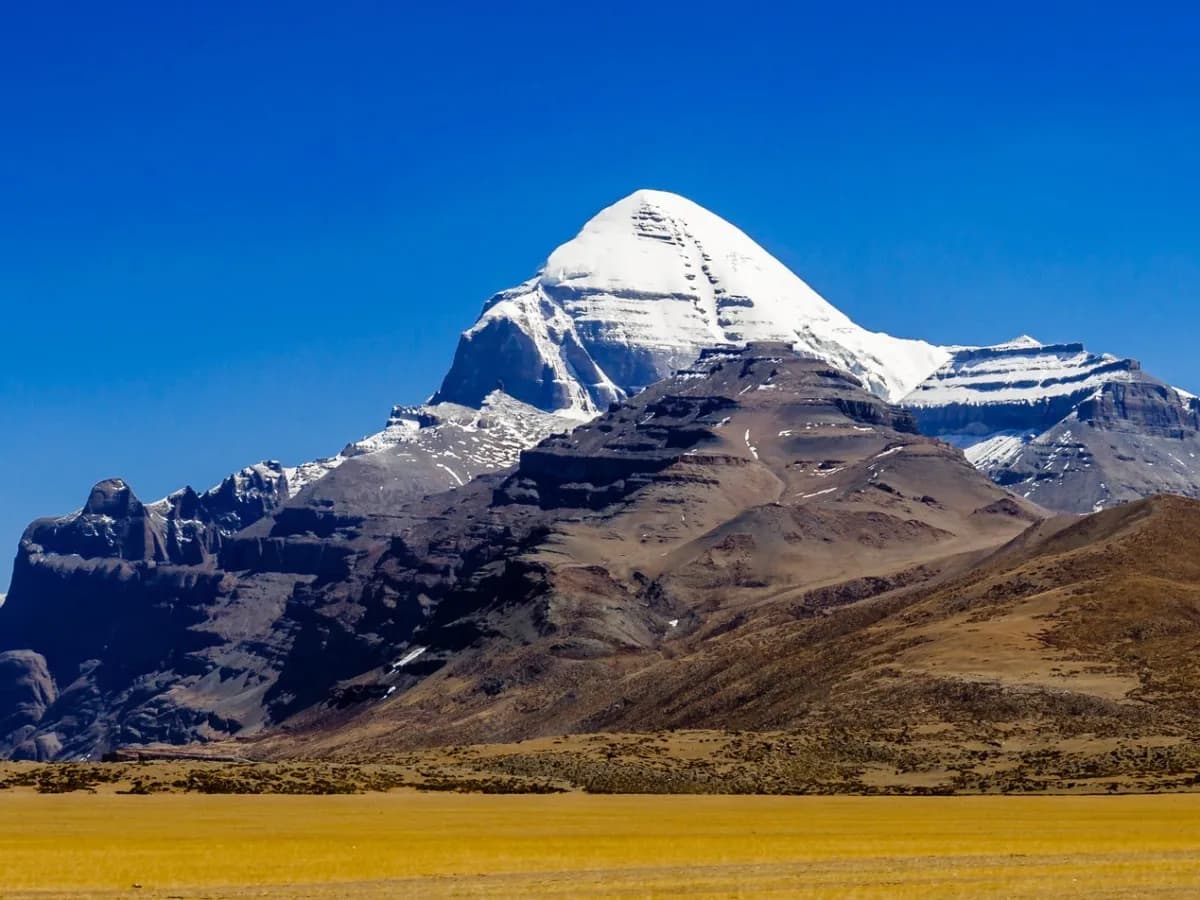
The word Parikrama comes from Sanskrit origins, while the term Kora is associated with Tibetan Buddhist traditions. Regardless, the meaning refers to the act of circumambulating a sacred site. Kailash Parikrama means circumambulating Mt. Kailash, usually in a clockwise direction, as a mark of reverence and devotion. It focuses on the act of walking rather than reaching the final destination.
Kailash Parikrama takes place around Mt. Kailash, which is located in the Ngari Prefecture of Western Tibet, which is a high-altitude desert region known for its stark beauty and extreme remoteness. There are two types of Koras: the inner Kora and the outer Kora. Outer Kora is what people usually perform. It is a 52 km circumambulation of Mt. Kailash done over 3 days for purification and features moderate challenges.
However, the inner Kora is a more challenging version of Parikrama. Think of it as a deep dive into the heart of Mt. Kailash. As per protocols, only those who have completed 13 outer Koras are permitted to step into the inner Kora path. The inner Kora covers less distance of 22 to 30 kms but it is still harder due to extreme and steep terrains, and it takes you to an altitude of around 5,800 meters.
If you have been planning the Kailash Mansarovar Yatra for a while but keep delaying it, 2026 is the year you should go for it. So, what is so special about Kailash Parikrama in 2026?
As per the Tibetan Lunar Calendar, 2026 marks a rare celestial alignment. This year is believed to be the Year of the Fire Horse, and this cycle occurs only once every 60 years. Which means once in your life when you are physically fit to trek. In Tibetan Buddhism, it is believed that one single Kora performed during the Fire Horse Year provides the spiritual merit equivalent to 13 circuits in a regular year. Fascinating, isn’t it?
Ever heard of the Mahakumbh in India? Think of this year as the Himalayan Mahakumbh because the 2026 Kailash season is expected to be a spiritual peak. The collective energy of thousands of pilgrims during this year is said to create a magnetic field that makes meditation and internal shifts more profound.
Before moving ahead, let’s understand the hype about Mt. Kailash. Is it the highest peak in the world? No. But why is it still surrounded by so much hype, and why do lakhs of people go to witness Mt. Kailash every year?
Well, the answer to this is the mystery and the spiritual beliefs surrounding Mt. Kailash. For starters, despite being just 6,638 meters (21,778 feet), nobody has ever been able to climb the mountain. Even legendary climbers have failed here.
Since 2001, Chinese Government has banned climbing Mt. Kailash. Also, the striking pyramid shape, symmetrical faces, and isolated position have long fascinated geographers, scientists, and spiritual leaders alike.
Climbing the mountain is forbidden not just by regulation, but by collective belief. For millions across Asia, Mount Kailash is not a challenge to be conquered but a divine presence to be honored.
To truly understand the Kailash Parikrama or Kora, you need to understand it through the eyes of four great faiths that spiritually revere it:

Hinduism: In Hinduism, Mt. Kailash is regarded as the holy abode of Hindu deity Lord Shiva who resides there with his wife Goddess Parvati and his family. The deity is believed to be the supreme yogi and destroyer of ignorance. Performing one complete parikrama around Mt. Kailash and taking a bath in holy Lake Mansarovar is believed to cleanse the sins of a lifetime, while completing 108 parikramas is said to lead to moksha, which is liberation from the cycle of rebirth.
Buddhism: In Buddhism, Mt. Kailash is known as Mt. Meru which is believed to be the cosmic center of the universe. They also regard it as the abode of Demchok (Chakrasamvara). Demchok is a wrathful deity representing ultimate bliss. And completing the Kora is believed to purify the soul of the pilgrims. The second day of the Kora, which crosses the Dolma La Pass, symbolizes death and rebirth. Many pilgrims leave personal items at the pass as it represents shedding of past burdens and attachments. During the sacred Saga Dawa Festival, completing the Kora is believed to multiply the spiritual merit of one’s actions.
Jain and Bon Traditions: In Jainism, Mt. Kailash is known as Ashtapada and people believe that this is the place where the first Jain Tirthankara Rishabhdev attained enlightenment or liberation. And in ancient Bon religion which predates Buddhism, Mt. Kailash is the seat of all spiritual power. The followers of the Bon religion perform the Kora in an anticlockwise direction.
The Kailash Parikrama covers a distance of 52 kms which is covered within 3 days. The journey begins and ends at Darchen.
You start at Yam Dwar: the gate of death. The symbolism of this gate is that you leave your ego and your old identity behind as you enter the Lha-Chu valley. The path is relatively flat here. The trail gradually ascends along wide river valleys, offering the first breathtaking views of the North Face of Kailash, a golden wall that stunningly glows at sunset. You end your day at the Dirapuk monastery with the same stunning view.
This is the most challenging and most rewarding day of the Kailash Parikrama or Kora. You will follow a steep and physically taxing ascent towards the Dolma La Pass at 5,630 meters. At the pass, prayer flags flutter endlessly, and a moment of silence engulfs you. At the top, pilgrims leave a piece of clothing or a lock of hair to represent the death of their old selves. After praying and reflecting on the pass, you start descending. As you descend, you see the turquoise of Gauri Kund (Lake of Compassion) which is a reverred lake by the Hindus. You can stop here for a detour, or you can continue towards Zuthulpuk monastery. By the time you reach Zuthulpuk, you are technically reborn. Explore the monastery for a while and go to sleep after a tiring day.
This is the final day of Kailash Parikrama when you follow the river valley back to the plains of Barkha or Darchen. The landscape opens up, and a sense of quiet accomplishment settles in. The walk is quite easy, which allows you for some internal reflection. The Kora is complete, but the internal journey often continues long after.
The route of inner kora is slightly different. It focuses on two different faces of Mt. Kailash: the North face and the South face. The North Face is Charan Sparsh, and the South Face is Nandi Kora. Charan Sparsh refers to touching the feet of the mountain. You reach the literal base of the mountain at the north face where you can touch the cold, black stone of Kailash. This is done during the outer Kora journey where trekkers leave the main trail from the Dirapuk monastery and go on a steep, rocky scramble over glacial moraine. Many trekkers find this the most emotional and physically draining part of the journey.
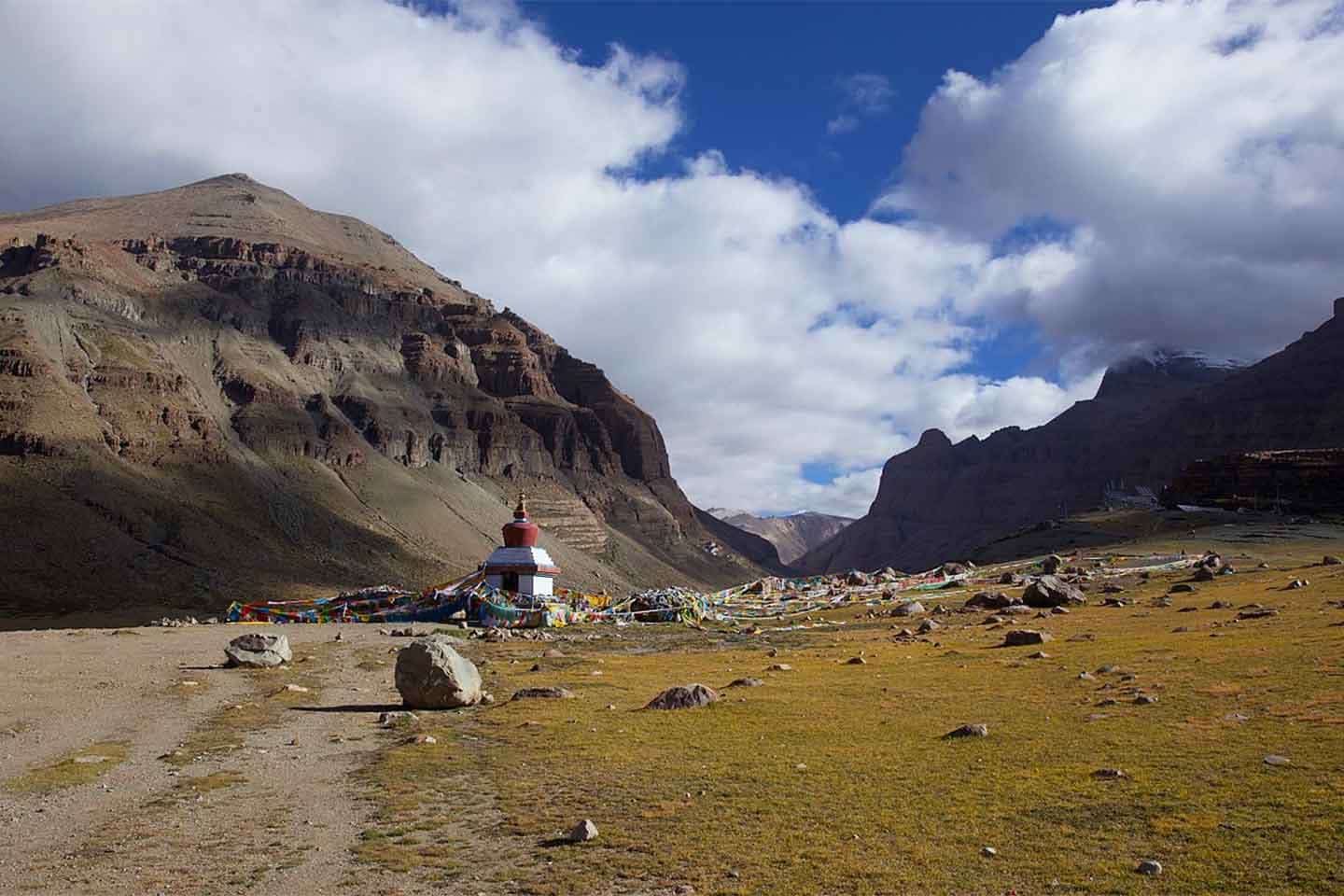
The Nandi Kora is done separately altogether. For this, you need to drive to Serlung Gompa where you begin by visiting Ashtapad (The Eight Steps) which is very important in Jainism. To reach South Face, you trek to the Saptarishi Cave which follows an almost vertical path in some sections. After that, you will reach 13 Golden Chortens which hold the relics of past Tibetan lamas. Now for the main challenge, you cross the narrow, high-altitude pass between Nandi Parvat and Mount Kailash. This is highly dependent on the weather and involves scrambling over ice and scree and sometimes requires fixed ropes.

Kailash Parikrama is considered one of the most challenging pilgrimages. However, a major part of the challenge comes from being located at a high altitude of up to 5,630 meters. No technical or mountaineering skills are required for the trek. But the terrain can be quite challenging with the paths being rocky, uneven, steep, and icy in sections, especially around Dolma La Pass, with high winds. On top of that, the weather can be quite unpredictable too with extreme cold, wind, and sun exposure. Physical fitness is mandatory to tackle the challenges of the Kailash Mansarovar Yatra. But you should mainly focus on proper acclimatization, patience, and mental resilience as well during the journey. Because ultimately the trek becomes a test of endurance rather than strength.However, if you are preparing for Inner Kora, you might need a bit of technical knowledge about mountaineering as you will come across some really challenging and icy terrain.
For the Kailash Mansarovar Yatra, you need to prepare at least three months in advance so that you can successfully tackle all the challenges on the trek. Some key preparations include:
Physical Fitness: The Kailash Parikrama will challenge you and push your body to the limits with the combined difficulties caused by the high altitude, thin air, harsh weather, and challenging terrain. Therefore, you should start working out well in advance. Focus on cardiovascular endurance and strengthen your core and muscles. Start hiking 3 months prior with a weighted pack. Incorporate HIIT training to help your body manage oxygen efficiently.
Mental Resilience: Along with physical strength, the journey also challenges your mental capacity because at certain points, you might feel like giving up and the hustle of the trek might get to you. In short, your mind will try to quit before your legs do. So, practice mindful exercises like Pranayama (breathwork) and meditation to keep your nervous system calm in the thin air realm of Kailash.
Packing: While packing for the Kailash Mansarovar Yatra in 2026, you need to pack clothes suitable for layering. Keep in mind that the temperatures can go to both extremes, so pack accordingly. Besides that, keep bio hacking in mind while packing all your other essentials. Use biodegradable toiletries, solar-powered chargers, and high-quality Merino wool layers to reduce waste.
Logistics: Due to geopolitical and logistical reasons, Nepal serves as the most practical and preferred gateway for the Kailash journey. Kathmandu acts as the spiritual and logistical starting point, where travelers prepare, acclimatize, and complete travel formalities before heading toward the Tibetan Plateau. From Kathmandu, you can go either overland or via helicopter to reach Kailash. Now, Kailash is a restricted region, and independent travel is not permitted. Travelers must obtain:
Navigating the permit process can be quite complex. This is where hiring a local trusted agency like Beyond the Limits Treks and Expeditions comes into the picture as we handle all the paperwork, ensuring you focus on the journey, not the red tape.
Conclusion
Kailash Parikrama is not about the distance or the achievement; it is simply about feeling the presence. It is a once in a lifetime opportunity, especially in 2026 when the Fire Horse gallops across the plateau.
So, book your next spiritual adventure with Beyond the Limits Treks and Expeditions today for a safe, comfortable, and enlightening journey in 2026.