Budget Trekking in Nepal

Understanding Budget Trekking
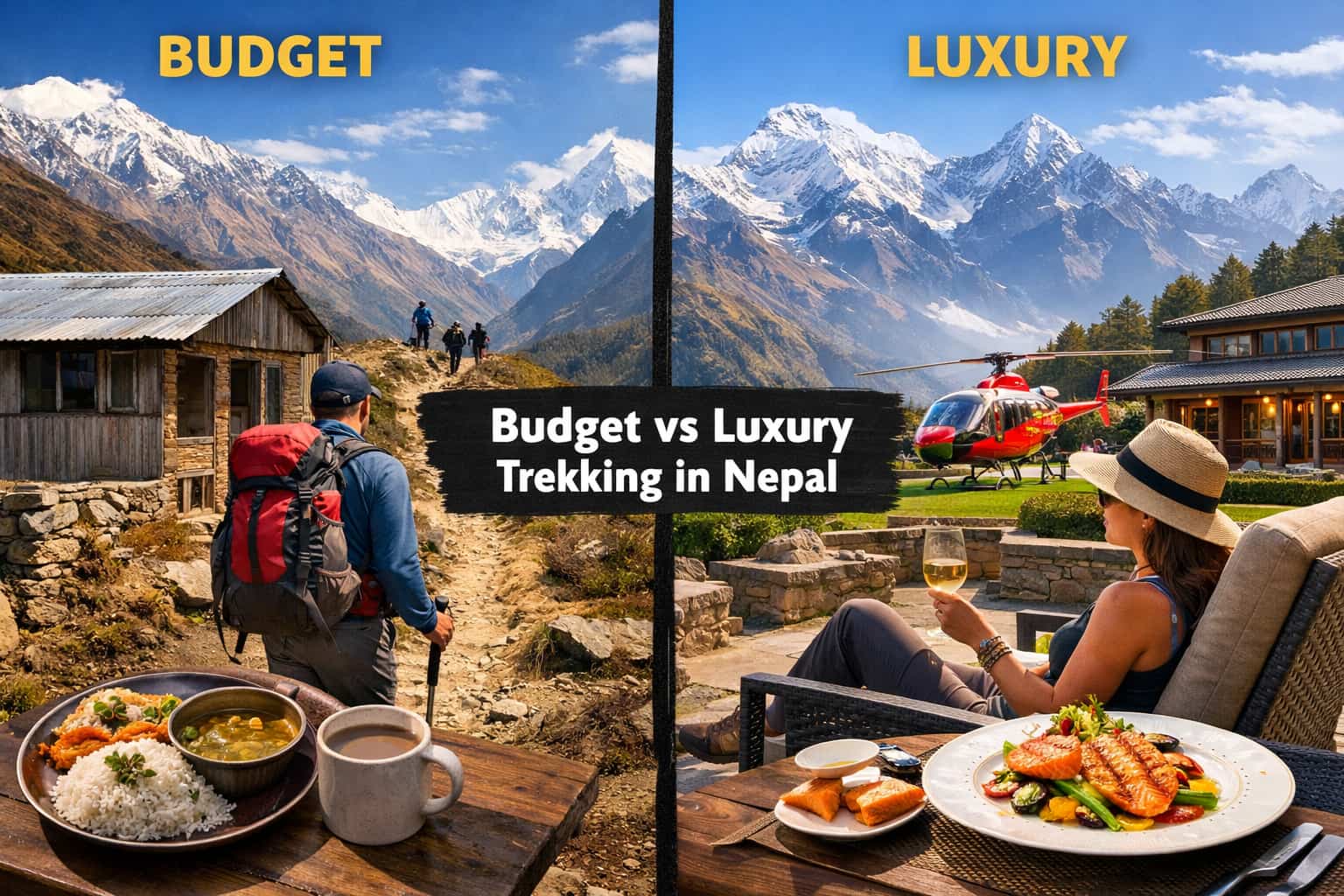
Budget trekking in Nepal represents the traditional spirit of Himalayan adventure. It is the way trekking has been done for decades in Nepal. Synonymous with teahouse trekking in Nepal, budget trekking can be a great option for those who have never done it before.
The main focus of budget trekking in Nepal is on affordability, simplicity, interaction with the locals at the ground level, and firsthand immersion in the local mountain culture. Budget trekking is especially famous among backpackers, solo trekkers, students, and adventure seekers who want to get the raw and authentic Himalayan trekking experience.
Features of a Budget Trek in Nepal:
So, what does budget trekking look like? Well, below are some of the characteristic features of a budget trek in 2026:
1) Simple Teahouse Accommodation:
During a budget trek in Nepal, you will be staying in teahouses throughout the trek. Teahouses are family run guesthouses which offer basic accommodation including twin beds or a wooden bed with blankets, pillows, and warm meals. Depending on the altitude, bathrooms can be shared or attached.
The teahouse mostly consists of a communal dining hall which is the hub of your social interactions during the trek as this is where most of the trekkers connect with each other after a tiring day of trekking.
Amenities often include:
- Twin-sharing rooms
- Shared bathrooms
- Communal dining areas
- Limited heating
2) Local Meals:
While staying in teahouses, meals are often limited to local options and Nepali staples that are prepared by the teahouse owners. The most common and popular dish on the trekking trails of Nepal is Dal Bhat Tarkari which is a traditional Nepali meal consisting of rice, lentil soup, vegetables, and pickles.
You will find it on most of the teahouses, and it might feel repetitive after a point. However, it is nutritious, filling, and ideal for sustaining energy during long trekking days. Other meal options include items of Nepali cuisine like momo, noodles, soup, eggs, and fried rice.
3) Basic Amenities:
Amenities during the budget treks in Nepal are rather basic. Depending on your trekking route and altitude, you might get charging ports and WiFi in many teahouses. However, you have to pay an additional hourly cost to use these facilities.
While many teahouses now offer solar-powered lights, insulation is minimal. Don’t expect heated rooms. A warm sleeping bag rated around -10°C to -20°C is recommended, especially during winter or high-altitude treks.
4) Overall Experience:
The atmosphere of budget trekking in Nepal is highly social. If you are chasing a social vibe, this type of trek is the perfect for you as teahouses bring together trekkers from around the world. Every evening meal of yours will be accompanied by shared stories and travel experiences.
This style of trekking also encourages deeper interaction with local communities and traditions. You will be staying with the locals in a small teahouse which means you will have a closer look at the daily lives, traditions, and rituals of people. And if you are trekking during the festive season, nothing can match the vibe of a teahouse trek.
Cost of Budget Trekking in Nepal in 2026:
Budget trekking in Nepal is significantly affordable as compared to many trekking destinations around the world. A realistic budget breakdown for an individual looks somewhat like this:
- Accommodation: $5 to $15 per night (teahouse rooms, sometimes free if you eat there)
- Meals: $15 to $25 per day (three meals plus hot drinks)
- Total daily expense: approximately $25–$50 USD per day
- TIMS card (Trekkers' Information Management System): $20 USD
- National Park / Conservation Area permit: $30–$35 USD
- Licensed guide (highly recommended, mandatory in many areas since 2023): $25–$35 per day
- Porter: $18–$25 per day if needed\WiFi and Charging: extra $2 to $5 per hour depending on the altitude
- Hot showers: extra $3 to $5 if available
This cost is slightly variable depending on the region you trek as some regions like the Everest region tend to be slightly more expensive as you have to take a domestic flight to reach here.
Luxury Trekking in Nepal:
Understanding Luxury Trekking
When it comes to luxury trekking in Nepal, expect completely different scenes. Relatively newer in Nepal, luxury trekking is designed for trekkers who want to explore the Himalayas of Nepal without compromising on proper amenities and comfort at the end of a long day of trekking.
The luxury treks deliver premium experience in terms of itinerary, accommodation, meals, transportation, and all other amenities. This type of trekking is particularly popular among honeymoon travelers, corporate groups, families, old trekkers, and individuals who prefer a more relaxed and comfortable journey through the mountains.
Features of a Nepal Luxury Trek:
Luxury trekking packages include a bunch of premium facilities:
1) High-end Accommodation:
When we say premium, we are not talking about upgraded teahouses. Instead of teahouses, you will be staying at premium properties across the trekking trails with comfortable beds, private bathrooms, heated rooms, and heated diningFull Fledged Meals
In luxury treks of Nepal, your meal options won't be limited to Nepali staples. The luxury lodges have elaborate menus with a la carte meals and you can get almost any type of dish here including multi-course meals, international cuisine, organic ingredients, freshly brewed coffee, and even desserts.
2) Premium Amenities:
You will have access to a lot of amenities including hot showers, personal charging ports, WiFi, and an option of customization on the luxury treks. Transportation options in many luxury treks include scenic helicopter flights over the Himalayas, allowing trekkers to avoid long descents or enjoy breathtaking aerial views of iconic landscapes.
3) Overall Experience:
Luxury trekking is known for a more private and tranquil experience instead of cultural immersion. Yes, you will interact with the locals during the trek but you won’t get a chance to take a look at their cultures up close as you will be staying at a luxury lodge.
However, the experience is more comfortable than anything. With smaller groups and exclusive lodges, travelers enjoy greater comfort and personalized attention from guides and staff.
Cost of Luxury Trekking in Nepal in 2026:
With all the amenities and a premium experience, the cost of luxury trekking in Nepal also lies in the premium range which is significantly higher than that of budget trekking in Nepal. You can expect to spend at least $200 to $600 per person every day. This cost usually includes:
- Private accommodation in premium mountain lodges (en-suite rooms, heating)
- All meals and beverages (including filtered water, hot drinks, and alcoholic options)
- Private licensed guide and dedicated porter team
- All permits and park fees
- Domestic flights (e.g., Kathmandu to Lukla for EBC)
- Helicopter transfers (sometimes optional)
- Pre-trek and post-trek hotel nights in Kathmandu
This cost can go to a higher side depending on the trekking route and your customizations which will be cleared by the trekking agency at the time of booking.
Head-to-Head Comparison:
To help you understand the core differences between the budget and luxury trekking in Nepal, below is a quick table with all the details:
|
Factor
|
Budget Trekking
|
Luxury Trekking
|
|
Accommodation
|
Teahouses, shared or dorm rooms, basic amenities
|
Private lodges with en-suite bathrooms, heated floors, mountain views
|
|
Food & Dining
|
Set teahouse menus, dal bhat, local staples
|
Multi-course meals, dietary options, barista coffee at altitude
|
|
Showers
|
Paid ($5-$10) / Occasional
|
Included / Unlimited Hot Water
|
|
Guides & Support
|
Shared or solo licensed guide
|
Private guide + dedicated porter team + satellite support
|
|
Daily Cost (USD)
|
$25–$50/day (meals, lodging, tips)
|
$200–$600+/day (usually all-inclusive packages)
|
|
Transportation
|
Public transports or standard flights
|
Private transfers and helicopters
|
|
Flexibility
|
High, self-paced, adjust as you go
|
Structured itinerary, pre-arranged logistics, customization available
|
|
Cultural Immersion
|
Very high, local homes, real conversations
|
Moderate, curated experience, comfortable buffer
|
|
Physical Demand
|
Higher, carry own pack, basic conditions
|
Lower, full porter support, better rest between days
|
|
Trekking Style
|
Adventurous
|
Comfortable exploration
|
|
Best For
|
Backpackers, students, long-term travelers
|
Professionals, couples, first-timers, older trekkers
|
Trekking Routes that Provide Both Budget and Luxury Trekking Option:
Trekking in Nepal in 2026 comes with lots of flexibility. Many popular trekking routes provide both budget and luxury trekking options to suit the requirements of the trekkers. Some of the treks that provide both the options include:
Practical Tips for Choosing Your Trekking Style:
Still not able to decide between the budget and luxury option for your next trek? Worry not, we have a list of things that you can consider to make the decision easier for you. Answer these questions to make your choice:
- How much time do I have?
- What is my fitness level?
- What is my budget?
- What are my comfort preferences?
- What am I seeking during the trek?
Choose budget trekking if you:
- Have enough time to explore the landscapes including buffer days
- Have a budget of around $1300 to $1800 USD depending on the location
- Can adjust with basic teahouse amenities
- Want deep cultural immersion, interaction with locals, and a close look at the life in the Himalayas
Choose luxury trekking if you:
- Have limited vacation days
- Have basic physical fitness which can be good for trekking for a few hours every day with rest in between
- Have a budget that goes well beyond $2500 to $4000 USD
- Cannot survive with shared and basic amenities
- Want comfortable stay and meal options

Hybrid Trekking:
Over the years, many trekkers have opted for a hybrid trekking option which gives you the adventure of exploring the Himalayan trail while also giving you the option to skip the knee jerking descent. They have adopted a ‘climb high, fly down’ principle.
In this, you can trek up to the highest points of the trek while enjoying the landscape in its raw form and once you reach the pinnacle, you can opt for a helicopter return to Kathmandu which saves you a few days of descent and also doesn’t tire you out a lot.
Everest Base Camp trek with helicopter return is one such trekking option provided by Beyond the Limits Treks and Expeditions. A mid-range trek means private rooms with attached bathrooms at upgraded teahouses or small boutique lodges, a dedicated private guide, quality local food with some menu flexibility, and agency support without the full VIP price tag. Daily costs in this range sit between $80–$150 per person, depending on the route and season. Sometimes, trekkers also may complete most of their journey using budget lodges but upgrade to luxury accommodations in major villages like Namche Bazaar.
Conclusion
The future of trekking in Nepal is becoming extremely diverse and global. Budget and luxury trekking in Nepal represent two different ways of exploring the same extraordinary landscape. While budget trekking offers affordability and local interaction, luxury trekking provides comfort and exclusivity. Ultimately, the best trekking style for you depends on your travel goals, comfort preferences, and budget. No matter which style you choose, the experience of trekking in Nepal allows you to experience the Himalayan magic firsthand and the sunrise over the mountains will still look the same.
At Beyond the Limits Treks & Expedition, we design trekking experiences across all styles, from traditional teahouse adventures to luxury Himalayan lodge treks and helicopter return trek. If you are planning a trek in Nepal, our team can help you choose the trekking style that best fits your time, comfort level, and travel goals.