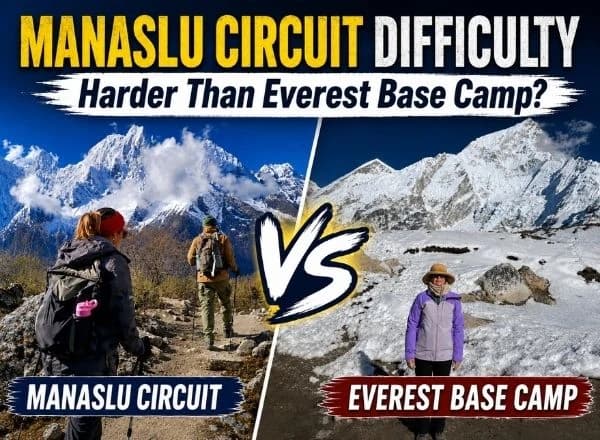
This decision, made by The Government of Nepal Department of Immigration, announced on 22 March 2026, comes after continuous efforts from tourism entrepreneurs, including the Trekking Agencies’ Association of Nepal (TAAN) and tourism professionals across the country. For years, the restriction was seen as a challenge, especially as more and more travelers now prefer solo adventures and flexible travel plans.
With this new update, independent trekkers can finally plan journeys into some of Nepal’s most remote and culturally rich regions without needing to find a travel partner. However, this doesn’t mean completely independent trekking. The government has kept important safety measures in place. Solo trekkers must still be accompanied by a licensed guide, and the trek must be arranged through a registered trekking agency in Nepal. This ensures proper logistics, safety, and support in case of emergencies in these isolated Himalayan regions.
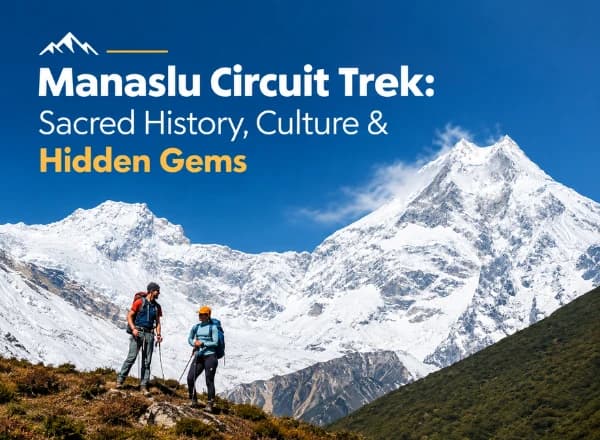
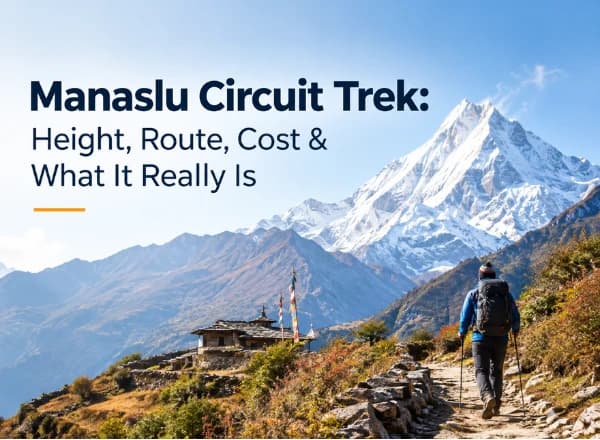
The rule applies to some of the most unique trekking destinations in Nepal, including Manaslu Circuit Trek, Kanchenjunga Trek, Upper Mustang jeep tour, Upper Mustang, Upper Dolpa, Lower Dolpa, Tsum Valley, and Nar Phu Valley. These areas are known for their untouched beauty, strong Tibetan culture, and limited access, which is exactly why special permits are required.
Another important addition is the guide-to-trekker ratio. One guide can now handle up to seven trekkers, which helps maintain safety while also improving management in these remote regions.
Along with the policy change, the permit process has also been made easier. The DoI has introduced a digital system where trekkers can apply using their valid Nepali visa number. Those applying from outside Nepal can even pay in advance using an application ID, making the whole process faster and more convenient.
This update is a positive step for Nepal’s trekking industry. It opens doors for solo travelers while still maintaining safety standards and supporting local employment through guides and trekking agencies. For travelers, it simply means more flexibility. For Nepal, it means staying competitive and welcoming to modern travel trends.
At Beyond the Limits Treks and expedition, we see this as a great opportunity for trekkers who want a more personal and flexible experience in remote regions. If you’ve been dreaming of exploring these restricted areas but didn’t have a group before, now is the perfect time to plan your journey.