What Makes a Trek Advanced?
When it comes to the difficulty level of treks, not all treks are designed the same. While some of them cater to both beginners and experienced trekkers, some treks are not suitable for beginners due to the high altitude, longer days, higher level of physical fitness required, and other factors.
The advanced treks listed in this blog go beyond just the scenic views. Instead, they demand physical strength, mental resilience, and high-altitude awareness.
Below are some of the factors that make these treks challenging and only suitable for experienced trekkers:
High Altitude Challenge
Most of these treks take you to an altitude well beyond 4,500 to 5,000 meters where you have to spend consecutive days while trekking, which takes a toll on your body both physically and mentally. At that altitude, your body is functioning on roughly half the available oxygen it is used to at sea level. Proper acclimatization becomes very important during these treks and having sustained high altitude treks before can definitely help with acclimatization.
Remote Trails
Most of the beginner friendly trekking routes in Nepal like the Everest Base Camp trek feature well developed trails. However, the advanced treks are mostly located in remote areas with less trekker footfall. You will be going to isolated regions with minimal infrastructure.
On routes like Kanchenjunga or Dolpo, you may walk for multiple days through terrain with no helicopter access, no mobile signal, and no medical facility within a day's walk. So, self-sufficiency and good planning become very important.
Technical Terrain
The advanced treks feature technical terrain which are not completely at a mountaineering level but can still be tricky for a beginner to manage. Several of the passes during the treks involve glacier crossings, loose screes, and icy trails.
In these sections of the treks, proper footing, basic technical skills, and confidence matter more than your physical fitness. And prior trekking experience comes pretty handy here.
Best Treks in Nepal for Experienced Trekkers in 2026:
If you are an experienced trekker looking for an advanced trekking experience in Nepal in 2026, below are some of the treks that will match your high-altitude trekking profile.
Kanchenjunga Trek:
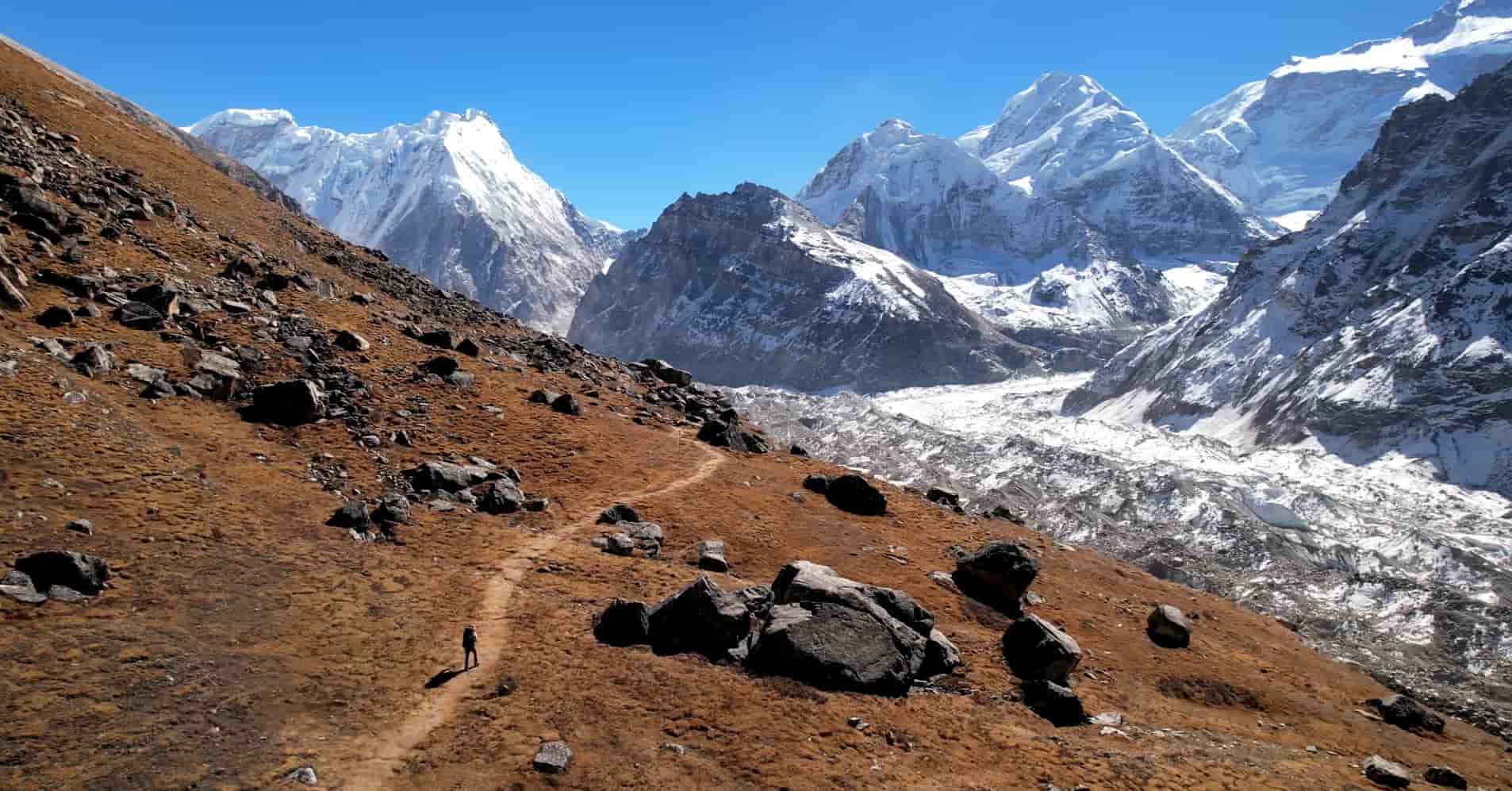
Located in the Eastern Nepal, Mt. Kanchenjunga is the third highest peak in the world, and it stands at an altitude of 8,586 meters. And this peak features many trekking routes around it. The most popular one is the Kanchenjunga Circuit Trek which connects both the South and North base camp of the mountain.
This trek takes you to a remote location in the far east of Nepal where you will see true untamed wilderness. The Kanchenjunga Trek is often regarded as the last frontier, and it makes a gold standard trek for experienced trekkers. This long route trek lasts for around 24 to 28 days and is extremely difficult as there is not much infrastructure on the trail, and even the teahouses remain basic with limited amenities required for survival. Kanchenjunga circuit connects the northern base camp at Pangpema (5,143m) which is the highest point of the trek. You can see stunning close-up views of the mountain's north face and the southern base camp at Oktang (4,780m). During the trek, you will also be crossing the Sele La Pass 4,290 meters.
The wildlife experience you will have here is truly unmatched given the remote nature of the trek. Culturally, you will be interacting with the Rai and Limbu locals with their own languages, spiritual practices, and architectural traditions. Kanchenjunga is one of the few places you can truly disconnect as the internet here is next to absent. However, this also comes with some downsides as remoteness means limited rescue options, basic facilities, and long trekking days.
Everest Three Passes Trek:

While lasting for a shorter duration than the Kanchenjunga Trek, the Everest Three Passes Trek is considered more difficult as it takes you to a maximum altitude of 5,535 meters and involves crossing three challenging high altitude passes of the Everest region.
The trek covers the Renjo La Pass (5,360m), Cho La Pass (5,420m), and Kongma La Pass (5,535m) and it is considered the most challenging yet rewarding trekking experience in Nepal. The Three Pass trek gives you the whole picture of the Khumbu region from a perspective completely unique as you see the Gokyo Valley with its turquoise lakes, the Ngozumpa Glacier, the Khumbu Icefall, and the summit corridor.
Spanning over 18 to 21 days, the trek begins from Lukla from where you first cross the Renjo La Pass and then head towards Gokyo before crossing the Cho La Pass. After this, you explore the EBC and Kalapathhar before finally crossing the Kongma La Pass.
Completing this trek requires determination as the passes have a very technical terrain. Crossing the Cho La Pass involves a genuine glacier section where you need proper climbing skills, and you must know how to use crampons. Also, the physical fatigue of 18 to 21 days of crossing passes along with constantly being over 5,000 meters can be too much to handle sometimes. So, you should be well prepared both physically and mentally.
Everest Cho La Pass Trek:
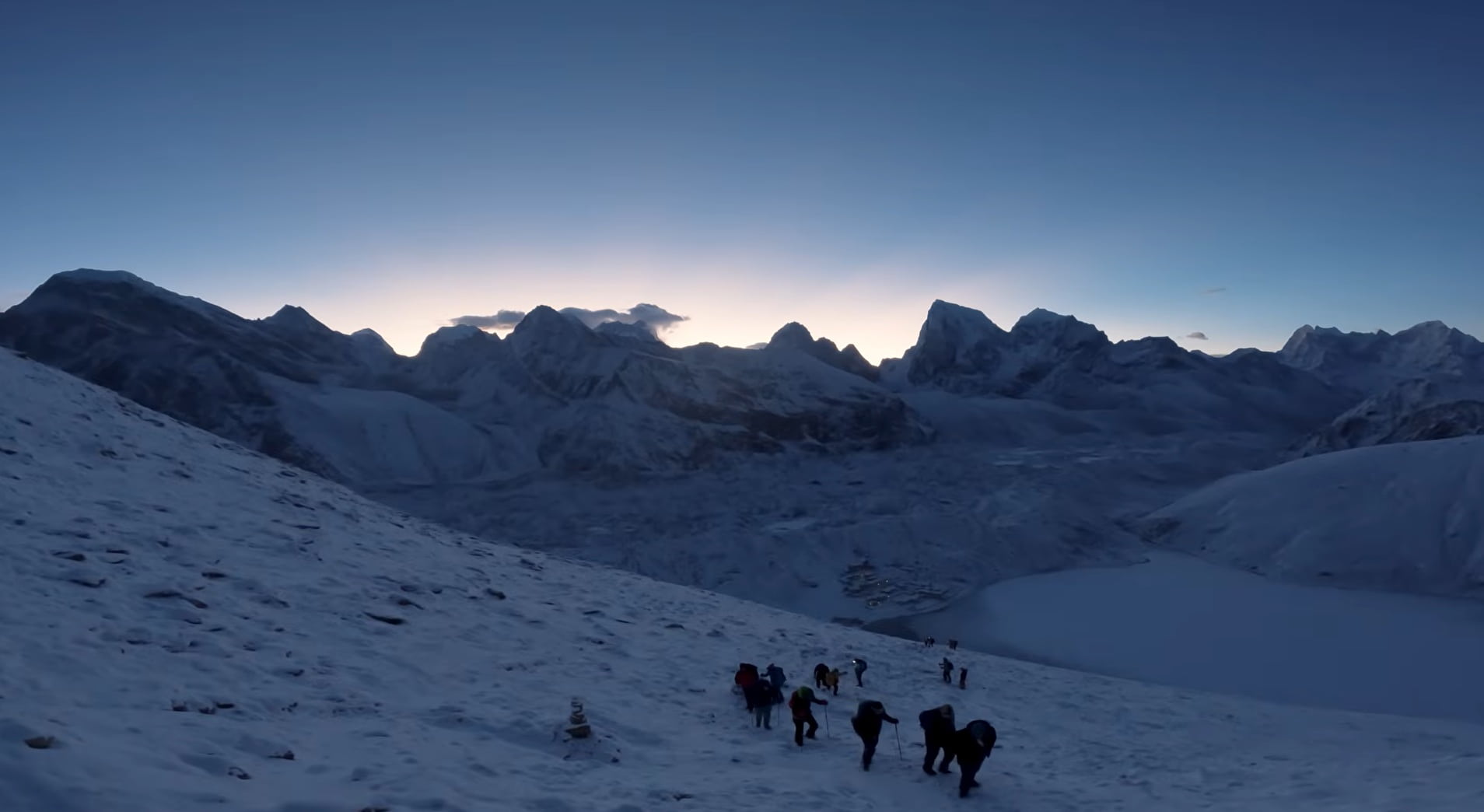
Even for experienced trekkers, the three passes trek can be overwhelming. In that case, you can opt for the Everest Cho La pass trek where you will experience a lot of the Everest region while crossing just one pass. But this one pass itself requires lots of determination.
Spanning around 16 to 19 days, the Everest Cho La Pass Trek connects Dragnag on the Gokyo side with Dzongla and the Cho La base on the Khumbu side at 5,420 meters, which is the highest point of the trek, and gives you a cumulative visual experience.
The trek is quite difficult as you will still need technical skills to cross the pass. However, you will also be treated to stunning views of the Gokyo Valley with its turquoise lakes, the Ngozumpa glacier, as well as the Khumbu glacier. All in all, this trek gives the best Khumbu experience without the Three Pass commitment.
Manaslu Circuit Trek:
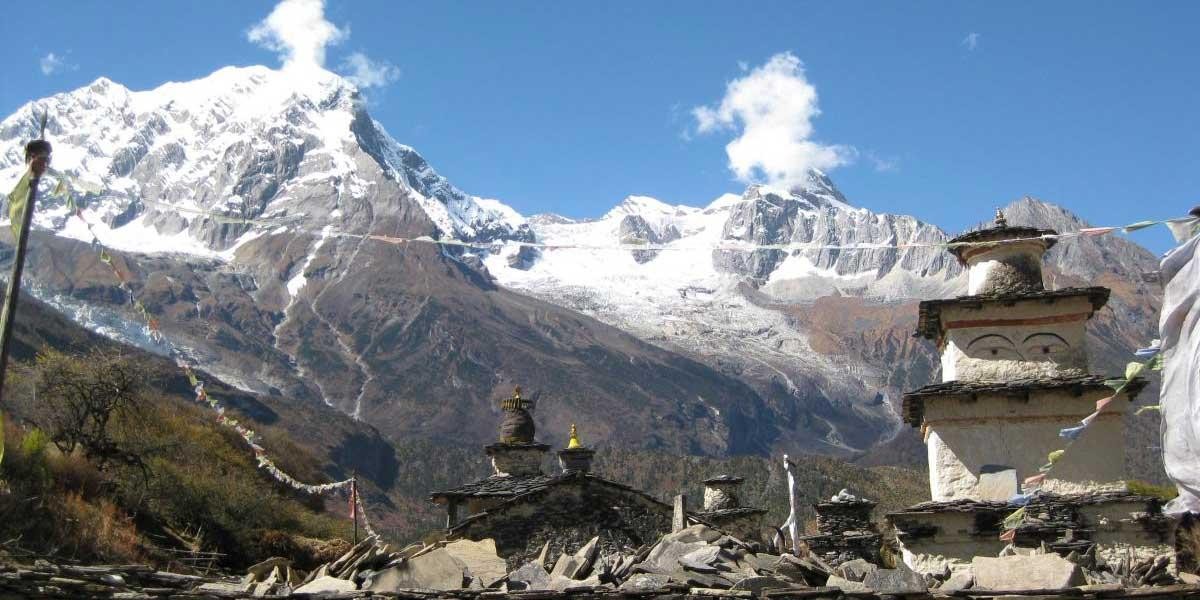
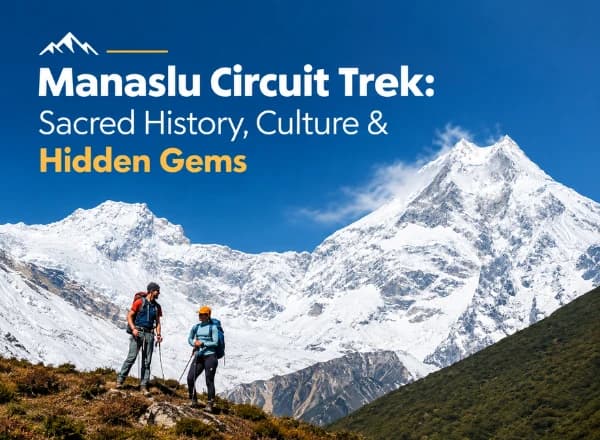
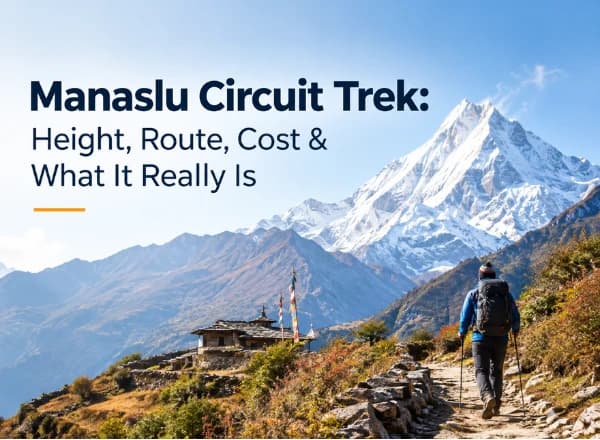
An underrated trekking route before 2025, the Manaslu Circuit Trek is now rising to be the popular classic Himalayan trail in Nepal. This is the perfect alternative for the iconic Annapurna Circuit Trek and features much less crowd and raw and remote landscapes.
Lasting for around 14 to 18 days, this trek is located in the restricted zone of Manaslu Conservation Area. The Manaslu Circuit Trek circumnavigates the eighth highest mountain on earth and reaches its pinnacle at the Larkya La Pass at 5,160 meters.
Starting from Samagaun, the trek goes alongside the Budhi Gandaki River Valley and transitions from subtropical jungles to high-altitude Tibetan villages. The Larkya La Pass at 5,160m takes most trekkers five to seven hours and is the biggest challenge of the trek.
However, the stunning views of the Himalayan range, including Mt. Manaslu, make it worth it. This trek is often regarded as a better route than the Annapurna treks as it is more demanding, more remote, and allows you to feel a better connection with nature.
Here, it is almost like the region is untouched by modernity as there is limited pace of development, and the locals along the route still carry a quality of daily life with yak herding and barley harvesting being their daily routine. The culture and Himalayan life here feel integrated rather than staged for visitors.
The teahouse infrastructure here has developed significantly over recent years, especially at lower altitudes. However, as you approach Larkya La, the amenities start getting more and more basic.
Upper Mustang Trek:
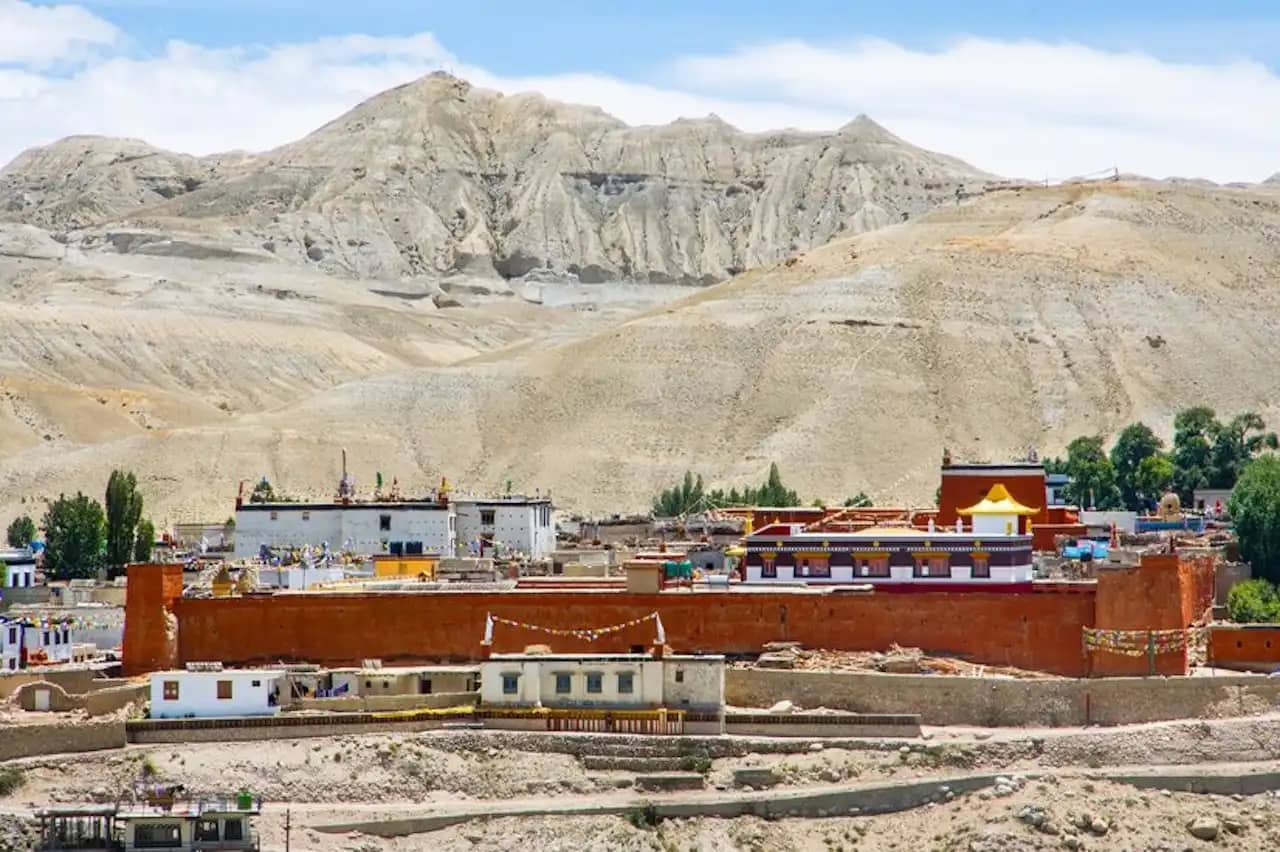
A restricted area trek located right above the Annapurna trekking route; the Upper Mustang Trek is undeniably one of the most sought-after experiences in Nepal for those looking to explore rugged landscapes without much crowd and not that big of a challenge.
This trek is located in the remote trans Himalayan region of Nepal in the rain shadow of Mt. Annapurna and Dhaulagiri, which means this region experienced minimal rainfall even during monsoon. You will see a unique high altitude desert landscape here which is a visual treat.
The trek also takes you to the ancient forbidden kingdom of Lo Manthang which is home to several monasteries, and you will also see sky caves here with ancient dwellings carved high into the red sandstone cliffs. If you time your trek perfectly, you can also experience the Tiji festival which is a major three-day Tibetan Buddhist celebration in May held in Lo Manthang, featuring traditional mask dances and elaborate traditional rituals.
The Upper Mustang Trek is not as difficult as it features no technical sections and takes you up to the highest altitude of 4,320 meters. However, you will walk 5 to 7 hours daily, which is a bit challenging.
Upper Dolpo Trek:
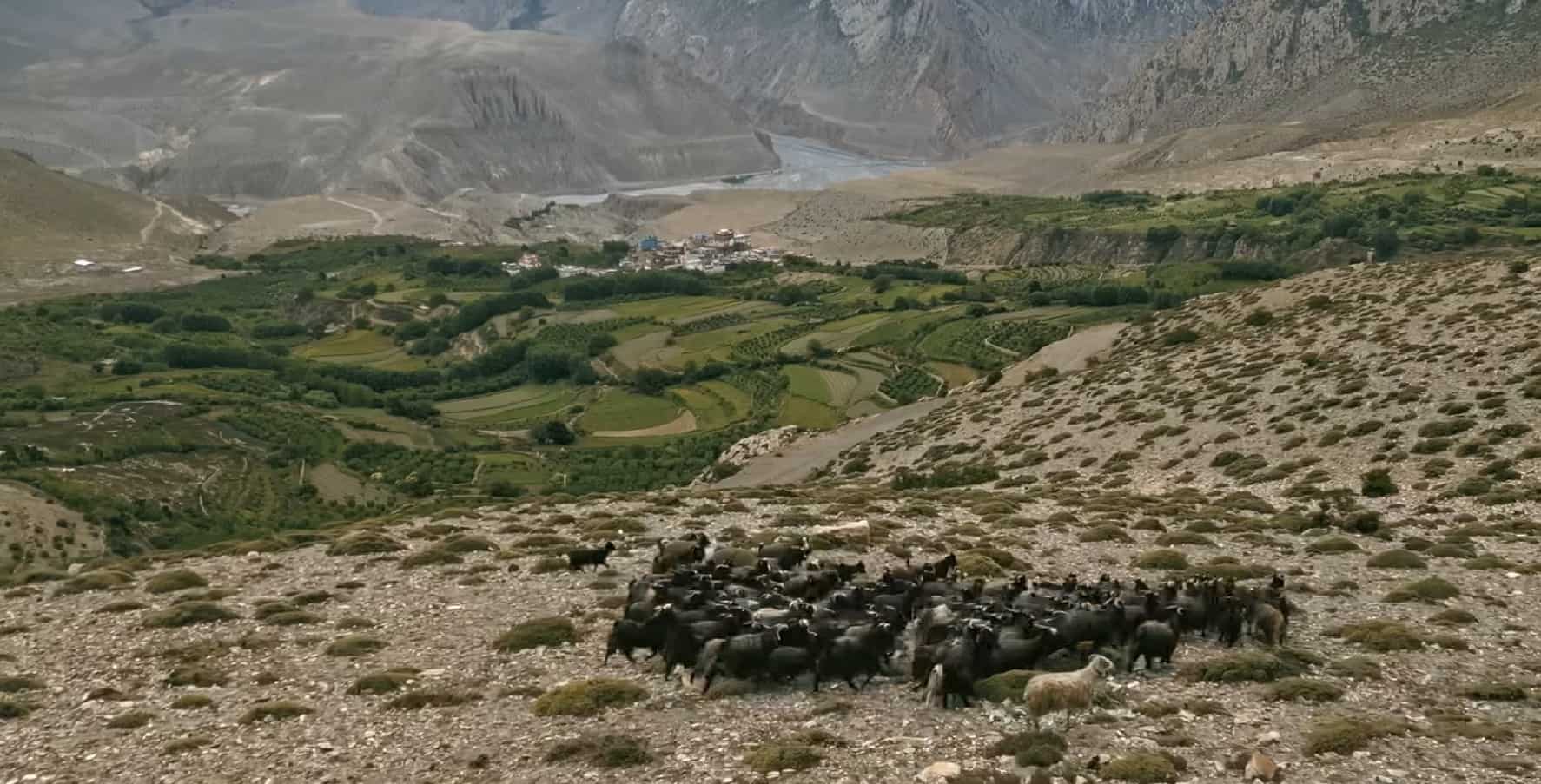
The Upper Dolpo Trek is yet another challenging high-altitude trek located in the northwestern Nepal. Lasting for around 20 to 25 days, this trek takes you to the rain shadow of Mt. Dhaulagiri and an entirely hidden world altogether. During this trek, you will explore ancient Tibetan Buddhist culture, the ancient Bon culture, the surreal beauty of Shey Phoksundo Lake, and high-altitude desert landscapes, crossing multiple passes over 5,000 meters including the Kang La Pass at 5,190 m.
The trek usually begins with a flight to Nepalgunj and a short drive to Juphal. From here, you will enter and explore the isolated Dolpo region after which you will enter the Shey Phoksundo National Park where you will explore the lake, the Shey Gompa, and many challenging high altitudes passes too.
Essential Preparation for High Altitude Treks
The advanced treks in Nepal require utmost planning regardless of your prior trekking experience as you will be spending a long time in challenging high-altitude realm without many facilities. Therefore, you need to prepare well beforehand.
Physical Preparation:
For advanced treks, you need to start preparing at least 3 to 6 months before the trek. Your training routine should focus on cardiovascular exercises like running, cycling, swimming, followed by strength training focused on your legs and core, and loaded hiking with a backpack.
If possible, you should also go for altitude simulation by going on small hikes that take you to a higher altitude so that you can simulate trek conditions. You can also do step-ups with a load of around 15kg. Also, indulge in meditation or breathing exercises to prepare yourself mentally.
Gear Essentials:
While the basic packing list for advanced treks also remains the same as other treks in Nepal, there are certain additional things that you should carry besides the layered clothes and other essentials. As you will cross altitude over 5,000 meters, make sure to carry a down jacket rated to at least -10°C. On glacier crossings, you will also need technical gear like micro spikes, crampons, and trekking poles. For communication, carrying a satellite device is recommended as mobile coverage is absent in remote routes.
Guided Trekking:
As of 2026, high altitude treks in Nepal mandatorily require you to hire a licensed trekking guide for your own safety. And as most of the advanced treks are in restricted areas, it becomes more important legally to hire a guide.
Beyond legality, a knowledgeable local guide transforms the quality of a trek as they know the route, the cultural context, the early detection of altitude symptoms, and the logistical problem-solving. So, talk to a local agency like Beyond the Limits Treks and Expeditions and get a guide before the trek.
Permits Required:
Every trek in Nepal requires certain permits which are meant for your safety and the development of the region where you will be trekking. These permits are checked along various check posts throughout the treks. Your trekking agency will handle the permits and paperwork for you. These are some of the permits you will need:
| Trek |
Permits Required |
Guide Mandatory |
Notes |
| Kanchenjunga |
Restricted Area Permit + TIMS |
Yes |
Min. 2 trekkers or join group; ~USD 20/week |
| Three Pass Trek |
TIMS + Sagarmatha NP Entry |
Yes |
NP entry fee ~USD 30; TIMS ~USD 20 |
| Manaslu Circuit |
MCAP Permit + TIMS + Restricted Area |
Yes |
Per-day restricted area fee; guide legally required |
| Chola Pass |
TIMS + Sagarmatha NP Entry |
Yes |
Same permit zone as EBC; accessible from Lukla |
| Upper Mustang |
Restricted Area Permit + ACAP + TIMS |
Yes |
~USD 500 for 10 days; premium but worth it |
| Dolpo |
Restricted Area Permit + TIMS |
Yes |
Lower Dolpo ~USD 25/week; Upper Dolpo ~USD 50/week |
Trekking Insurance:
Advanced treks can be quite challenging in terms of physical exhaustion, high altitude, and a high risk of injury amidst relatively less facilities. Therefore, it becomes more important to get trekking insurance that covers high altitude treks.
This can save the day in case of any emergency during the trek as well as save you lots of money. Make sure that your insurance covers medical costs, lost baggage, trip delays, and most importantly high-altitude helicopter rescues.

Conclusion
As exciting as the advanced treks in Nepal sound, they are not for everyone as they demand efforts, proper preparation, resilience, and courage. You need to be prepared not just for dramatic views but for an entire change in your perspective.
But once you dare to take on this journey, you will be left with an experience worth a lifetime. We at Beyond the Limits Treks and Expeditions can be the perfect companions for your journey as with us, you are investing in a well-planned, safe, and unforgettable Himalayan journey.