If you are planning to go Langtang Valley Trek then your packing for the Langtang Trek is different from packing for a normal holiday. You are heading into a region where temperatures swing from warm forest trails at 1,900m to freezing mornings above 3,800m at Kyanjin Gompa often within the same week. Pack too little and you will be cold and miserable; pack too much and every uphill stretch will punish you for it.
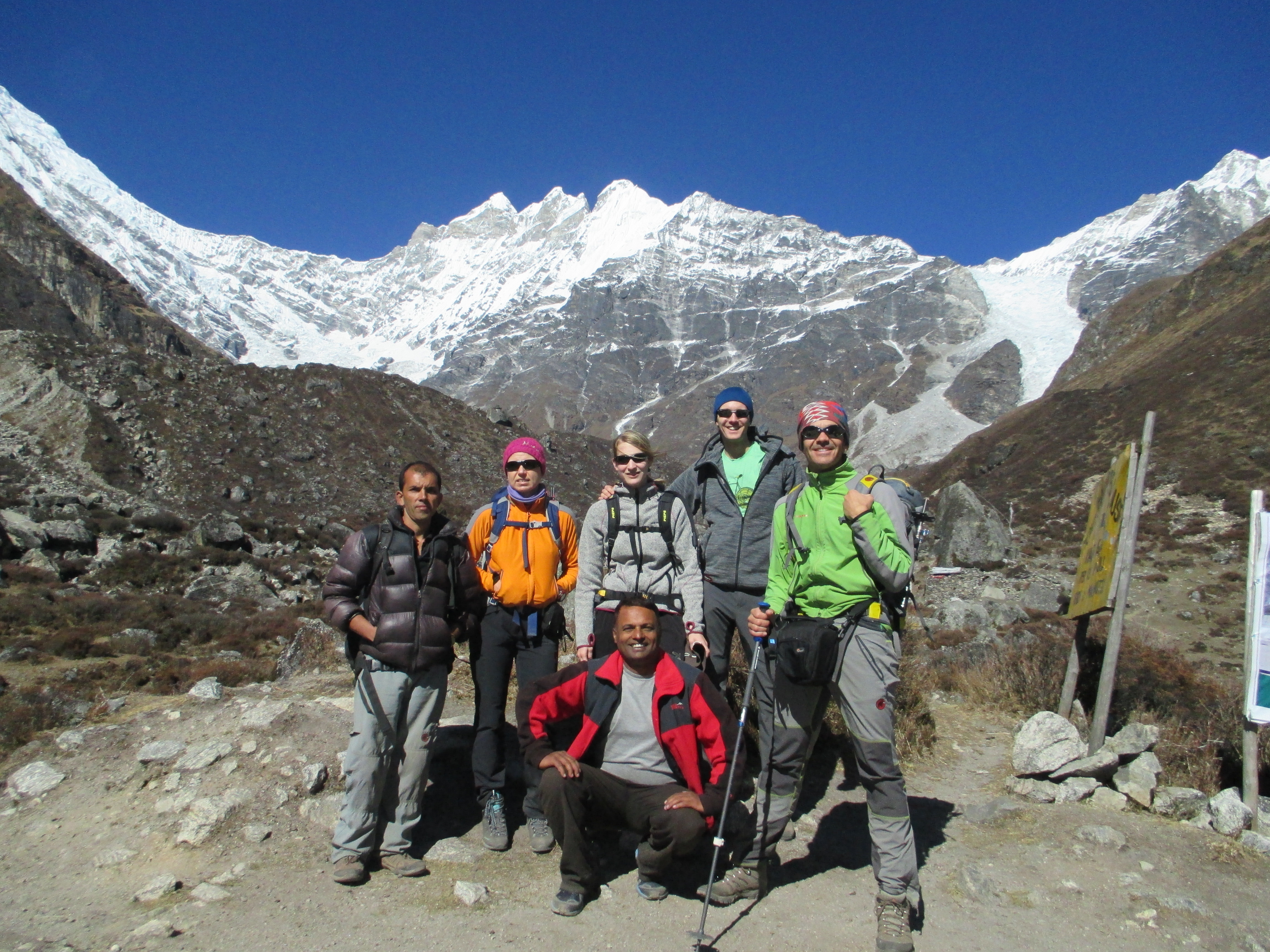
This guide gives you a complete, trail-tested Langtang Valley Trek packing list: clothing layers, footwear, gear, documents, and health essentials, organized the way an experienced trekker would actually pack a duffel bag. If you're still finalizing your route, check our Langtang Valley Trek itineraryfirst. It will help you match this list to the exact number of days and altitude you'll be exposed to.
Understanding the Climate Before You Pack
The Langtang Valley Trek isn't a single climate zone, it's several. You'll start in subtropical forest near Syabrubesi, pass through pine and rhododendron forest, and finish in an alpine, high-altitude landscape near Kyanjin Gompa (around 3,870m), with side hikes going even higher. Nighttime temperatures at altitude regularly drop below freezing, even in the trekking seasons.
That's why a layering system beats any single "warm jacket" you need to be able to add and remove layers as you climb and descend throughout the day. If you haven't settled on dates yet, our guide to the best time to trek the Langtang Valleybreaks down how packing needs shift between spring, autumn, winter, and monsoon.
Clothing: The Layering System
Base Layer (Moisture-Wicking)
- 2–3 quick-dry short and long-sleeve base tops
- 2 pairs of thermal leggings/base bottoms
- 4–6 pairs of moisture-wicking hiking socks + 1–2 pairs of thick wool socks for evenings
- Sports bra / underwear (enough for the full trek, since laundry is unreliable at altitude)
Mid Layer (Insulation)
- 1 fleece jacket
- 1 lightweight down or synthetic insulated jacket (essential above 3,000m)
- 1 pair of fleece or softshell trekking pants
Outer Layer (Weatherproofing)
- Waterproof, windproof shell jacket with hood
- Waterproof shell pants
- Insulated waterproof gloves + a thin liner pair for warmer stretches
Trekking Wear
- 2–3 quick-dry hiking t-shirts
- 1–2 pairs of convertible or lightweight trekking trousers
- Shorts (useful on lower, warmer sections early in the trek)
Headwear and Accessories
- Warm insulated beanie/wool hat
- Wide-brim sun hat or cap
- Buff or neck gaiter (dust, sun, and cold protection in one item)
- UV400 sunglasses glare at altitude is intense, even without snow
- Bandana or dust mask for the dustier lower sections
Footwear
- Broken-in waterproof trekking boots with ankle support never trek in brand-new boots
- Lightweight camp shoes or sandals for teahouse evenings
- Gaiters if trekking in early spring or late autumn when trails can be muddy or lightly snow-covered
Backpacks and Bags
- Main duffel bag (60–70L) if using a porter this stays with your porter each day
- Daypack (25–35L) for what you carry yourself: water, snacks, camera, layers, documents
- Dry bags or waterproof pack liners to keep gear dry inside both bags
- Small padlocks for duffel zips
Sleeping Gear
- 4-season sleeping bag rated to at least -10°C/14°F teahouses provide blankets, but they're rarely enough on their own at altitude
- Sleeping bag liner (adds warmth and keeps the bag cleaner)
- Inflatable travel pillow (optional but appreciated after long walking days)
Trekking Equipment
- Adjustable trekking poles genuinely useful on Langtang's steep, sometimes loose sections
- Headlamp with spare batteries (essential for early starts and teahouses with limited power)
- Reusable water bottle or hydration bladder (1–2 liters)
- Water purification tablets, UV pen, or a filter bottle don't rely on buying bottled water the whole way
- Power bank (charging costs money at higher elevations and isn't always reliable)
- Universal travel adapter
Documents and Money
- Passport (with photocopies)
Passport-sized photos (usually 4–6, for permits)
- Langtang National Park entry permit and TIMS card arrange these before departure or on the way through Dhunche. Our Langtang Valley Trek permits and rules guide covers exactly what's required and where to get it
- Travel insurance documents that explicitly cover high-altitude trekking and emergency evacuation
Cash in Nepali Rupees ATMs become unreliable past Dhunche, so withdraw what you'll need in Kathmandu
Health, Hygiene, and First Aid
- Personal first-aid kit: blister plasters, antiseptic, pain relief, altitude sickness medication (Diamox, only after consulting a doctor)
- Personal prescription medications
- Hand sanitizer and biodegradable wet wipes
- Travel-size toiletries, sunscreen (SPF 50+), and lip balm with SPF
- Rehydration salts
Food and Snacks
Teahouses along the route serve full meals, but bring high-energy snacks, nuts, dried fruit, energy bars, or chocolate for the trail itself. Budget roughly USD 15–20 for extra snacks and personal items along the way, since prices rise the higher you climb.
How Your Packing List Should Change With Trek Length and Difficulty
A shorter 5-day Langtang loop needs less redundancy in clothing than a 10–12 day itinerary that includes Gosaikunda or Tserko Ri. Altitude exposure also affects what you prioritize the higher and longer your route, the more your insulating layers and health kit matter. If you're unsure how demanding your planned route is, our Langtang Valley Trek difficulty guide for beginnersexplains what to expect day by day, and our Langtang Valley Trek cost breakdown helps you budget for gear you may still need to rent or buy in Kathmandu.
Common Packing Mistakes to Avoid
- Overpacking clothing "just in case." Layers you can combine beat a suitcase full of single-purpose items.
- Bringing brand-new boots. Break them in for at least 2–3 weeks before the trek.
- Skipping a proper sleeping bag rating. Teahouse blankets are not a substitute at altitude.
- Forgetting sun protection. High-altitude UV exposure is far stronger than most trekkers expect, even in cool weather.
- Underestimating cash needs. Card payments and ATMs are not reliable past Dhunche.
Frequently Asked Questions
1. Do I need a four-season sleeping bag for the Langtang Valley Trek?
Yes. Nighttime temperatures near Kyanjin Gompa regularly drop below freezing, and teahouse blankets alone aren't sufficient at that altitude.
2. Can I rent trekking gear in Kathmandu instead of buying it?
Yes, down jackets, sleeping bags, and trekking poles are widely available to rent in Thamel, which is a practical option if you're trekking once and don't want to buy specialized gear.
3. How many kilograms should my duffel bag weigh?
Most porters carry up to around 15–20kg per trekker, split across two people if arranged that way. Pack light and prioritize the layering system above over bulky single items.
4. Do I need trekking poles for the Langtang Valley Trek?
They're not mandatory, but strongly recommended the trail includes steep, sometimes loose or uneven sections where poles reduce strain on your knees, especially on descents.
Before heading to Syabrubesi to start your trek, double-check your permits, insurance documents, and cash are sorted, your boots are broken in, and your bag is packed by layer rather than by item. Review the full Langtang Valley Trek itinerary one more time so your gear matches your exact route and duration and you'll be ready for one of Nepal's most rewarding teahouse treks.
Content Reviewed By
Beyond The Limits Treks & Expedition Pvt. Ltd.
A licensed trekking company in Nepal specializing in trekking and adventure travel across the Langtang, Everest, Annapurna, and Manaslu regions. The company's professional team regularly reviews trekking information, route conditions, permit requirements, and travel logistics to ensure content accuracy and reliability.
Legal document: Beyond the limits treks