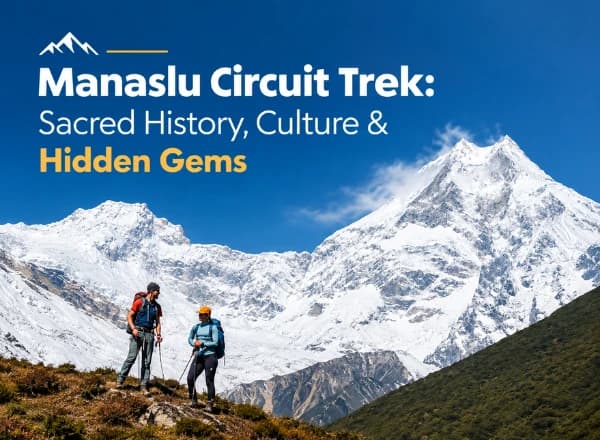
The best time to travel Tsum Valley Trek is in the autumn and spring season. In the autumn season you must visit in the month of October and November to see the most stable weather, dry trails, clearest Himalayan views, and the best overall conditions. And for spring, the best month would be from March to May where you can see the warmer days, green landscapes, and rhododendrons in lower forests and in April it is the standout spring month.
Comparison between Autumn and spring season for Tsum Valley Trek
Here is a season by season comparison between Autumn (especially October – November) and spring (especially March – April) of Tsum Valley Trek. Below the table you can figure out the best suitable time to visit Tsum Valley.
|
Factor
|
Autumn : September – November
|
Spring : March – May
|
|
Best months
|
October and November. Late September is also good once monsoon rain has ended.
|
March and April. May is still good for trekking but becomes warmer, cloudier, and wetter.
|
|
Temperatures
|
About 15 – 20°C during the day in autumn, with nights near freezing or below at higher villages.
|
About 20 – 25°C during the day in spring, with colder nights at altitude; overall milder than autumn.
|
|
Mountain visibility
|
Excellent and most reliable for post monsoon skies are typically the clearest of the year.
|
Good in the morning but clouds often build in the afternoon and especially in late April and May.
|
|
Trail conditions
|
Dry, firm, and well trodden with river crossings are calmer after the monsoon.
|
Usually good, but spring showers can make some sections muddy or slippery and particularly later in the season.
|
|
Crowds
|
Peak season, and especially October the teahouses, guides, and permits should be booked early. (Contact us)
|
Moderate to busy with late April and May more crowded and in March it is comparatively quieter but colder.
|
|
Scenery
|
Golden autumn landscapes, clear ridgelines, and excellent photography conditions.
|
Rhododendrons bloom in lower and mid-elevation forests with fresh green scenery and colorful trails.
|
|
Main drawback
|
Cold nights, especially in November, and higher demand for accommodation.
|
Less dependable afternoon views and a greater chance of rain as the season progresses.
|
|
Best for
|
Trekkers prioritizing clear views, stable weather, dry trails, and photography.
|
Trekkers prioritizing flowers, milder daytime temperatures, and a slightly quieter early spring experience.
|
|
Overall verdict
|
Best overall, especially October.
|
Excellent alternative, especially April.
|
Here is our Itinerary plan : Tsum Valley Trek - 16 Days
Best Time to Trek Tsum Valley in Autumn: September vs October vs November
October is the best month to trek Tsum Valley. It has the most stable weather, dry trails and the clearest views of Ganesh Himal, Himalchuli and Boudha Himal. Late September works if you keep spare days for rain. November works if you are ready for colder nights.
Autumn (September to November) is our foremost trekking season. The monsoon clouds clear, the trails dry out, and harvest time and festivals make the villages lively. Each month has its own trade offs, though, so choose the one that fits your plans.
In the table there is a quick comparison for september vs october vs november
|
Factor
|
Late September
|
October
|
November
|
|
Weather
|
Rain easing, still some showers
|
Most stable, clear skies
|
Clear and dry, colder
|
|
Trail conditions
|
Wet gorge, leeches lower down
|
Dry
|
Dry, light snow possible up high late in the month
|
|
Mountain views
|
Improving
|
Sharpest of the year
|
Crisp and clear
|
|
Main risk
|
Landslides
|
Sudden snowstorms
|
Cold nights at Chhekampar and Nile
|
|
Best for
|
Flexible trekkers with spare days
|
First-timers and photographers
|
Trekkers who like cold, still air
|
October 2027 is expected to be one of the best months for trekking in Tsum Valley, especially for first time Himalayan trekkers and photographers. The weather is generally stable, the skies are clearer, and the trails are usually dry, offering excellent views of the surrounding Himalayan peaks. However, mountain weather can change unexpectedly, even during the peak trekking season.
Snowfall, strong winds, and sudden weather changes can affect high altitude trails and occasionally cause trekking delays. Since Tsum Valley lies in the Manaslu region, trekkers should check local weather forecasts and trail conditions before starting their journey. For a safer and more comfortable experience, carry a warm down jacket in your daypack and keep at least one extra day in your itinerary to manage unexpected delays.
November 2027 is another good option for those who prefer quieter trails and peaceful mountain surroundings. The trails are generally dry and the skies stay clear, but the temperature drops significantly, especially at night. Toward the end of November, villages like Chhekampar and Nile experience freezing temperatures, and higher portions of the trail may see light snowfall. November can be a great month to visit Tsum Valley if you like clean mountain air, fewer people, and a more peaceful hiking experience. Before leaving, always check the local trekking conditions and the most recent weather.
Book your Tsum Valley Trek 2027 today and let us plan your unforgettable Himalayan adventure
Tsum Valley Trek in Spring (March – May) : Complete Seasonal Guide
Yes, spring 2027 (March to May) is one of the best times to trek the Tsum Valley in Nepal Gorkha District offering peak rhododendron blooms, lush green forests, and daytime temperatures between 20°C and 25°C at mid-elevations. April 2027 is the optimal spring month, balancing snow free access to Mu Gompa (3,700 m / 12,139 ft) with vibrant wildflowers, whereas March 2027 carries early-season snow risks and May 2027 brings pre-monsoon haze and afternoon clouds.
Spring is another excellent time to explore Tsum Valley, especially if you enjoy blooming rhododendrons, greener landscapes, and warmer trekking days. However, each spring month offers a slightly different experience, so the best time depends on what you want from your journey.
March 2027 marks the beginning of spring, but winter conditions can still linger at higher elevations. Snow may remain on the trail between the Nile (approximately 3,361 m) and Mu Gompa (3,700 m), while night time temperatures in Chhokang (3,031 m) can drop below freezing. March often offers beautifully clear mountain views of Ganesh Himal, Himalchuli, and Boudha Himal, while rhododendrons begin to bloom at lower elevations from around 2,000 m.
April 2027 is our top recommendation for a spring Tsum Valley trek. It offers a lovely balance of comfortable temperatures, generally favourable trekking conditions, and colourful mountain landscapes. The forests along the climbs to Lokpa (2,240 m) and Chumling (2,386 m) come alive with blooming rhododendrons, making the journey particularly beautiful for nature lovers and photographers. Mornings are generally clear, although afternoon clouds and occasional haze are possible.
May 2027 brings warmer days and greener landscapes, but it also marks the beginning of pre-monsoon conditions. The lower Budhi Gandaki gorge around Machha Khola (890 m) and Jagat (1,350 m) can become hot and humid, while haze may reduce visibility of distant Himalayan peaks. Afternoon showers also become more likely towards the end of the month. If you choose May, start your walks early, carry a waterproof jacket, and allow some flexibility in your daily schedule.
All three months are a great time to visit the Tsum Valley Trek but April is our top recommendation for a spring 2027 visit. You can even customize your itinerary based on the flexibility.
What happens when you trek Tsum Valley Trek in the winter season ?
In general, winter season is only for experienced trekkers who are well trained and experience trekking for more than 3 to 5 years of experience. In December 2026 you can trek for the Tsum valley Trek, but we recommend you only if you have experienced trekking in the past due to freezing nights and snow covered trails at the higher villages, especially near Mu Gompa. Winter is a possible but suited only to well prepared trekkers with cold weather gear and a flexible schedule.
Winter trekking in Tsum Valley requires careful planning because reaching Mu Gompa (3,700 m) on Day 8 is not guaranteed. Snow or ice may cover the higher trail between Nile and Mu Gompa, and your licensed guide should assess the conditions before proceeding with the climb. According to our 16-day itinerary, Day 7 involves trekking from Chhokang Paro to Nile via Milarepa Cave (3,240 m), covering approximately 11 km in 5 – 6 hours, followed by a 4 km climb from Nile to Mu Gompa on Day 8, which takes around 5–6 hours. Day 9 is allocated for exploration at Mu Gompa, although activities may depend on weather and trail conditions. Winter daylight is limited to roughly 10 hours, so early starts and flexible walking schedules are important. Cold temperatures are another major consideration, particularly at higher villages, where teahouse bedrooms are generally unheated. Carry a four season sleeping bag suitable for temperatures of approximately −15°C to −20°C rather than relying entirely on lodge blankets. Accommodation availability in the upper valley can also vary because many teahouses are small, family-run establishments with seasonal operating schedules. Some may close or reduce services during deep winter, particularly from late December through February. Therefore, confirm accommodation availability with your trekking operator before departure and allow flexibility in your itinerary.
Contact us with your planned trekking dates before arranging overnight stays around specific villages.
What happens when you trek Tsum Valley Trek in the mansoon season ?
Trekking the Tsum Valley in the monsoon season (June – August) is possible but strongly discouraged as the trail becomes wet, risky, and unreliable. Heavy rain turns the lower sections along the Budhi Gandaki gorge into muddy, slippery tracks, while active landslide zones between Soti Khola and Jagat can close both the road and the trekking trail, sometimes cutting off access to the trailhead entirely. From June onward, leeches infest the forested trails below 2,000 m, swollen rivers make crossings riskier, and thick cloud cover hides the mountain peaks for most of the trek one of the main reasons people come in the first place.
Many teahouses also close or run with limited services which shrink your options for food and accommodation. The one silver lining is that the upper Tsum Valley sits in a rain shadow and receives far less rainfall than the lower gorge so, those who push through the wet lower section are rewarded with lush green landscapes, quiet trails, and very few other trekkers . Overall, most guides rate monsoon trekking here as high risk and not recommended. If you must go build in extra buffer days for trail closures, carry leech protection and rain gear, and check current trail conditions before departing otherwise, it's best saved for the clear skies of autumn (October – November) or spring (March – May).
12 months summary for Tsum Valley Trek
|
Month
|
Weather
|
Trail
|
Views
|
Crowds
|
Verdict
|
|
January
|
Coldest month and a freezing nights, below −10°C at upper villages
|
Snow can cover the upper trail and Mu Gompa climb not guaranteed
|
Clear but cold hazed air and short days
|
Very low quietest time of year
|
Avoid (experienced winter trekkers only)
|
|
February
|
Still cold with slowly milder and days lengthen
|
Snow lingers on shaded sections and fresh falls possible
|
Clear, improving toward month's end
|
Very low
|
Avoid (experienced only)
|
|
March
|
Transitional clear air, nights still below freezing
|
Snow possible near Mu Gompa and plan a spare day
|
Good, sharp before haze builds
|
Low, starting to pick up
|
Maybe (good, with caution)
|
|
April
|
Stable skies with warm humid gorge, cold upper nights
|
Dry and reliable
|
Best spring month, like rhododendron in bloom, some haze
|
Moderate at spring peak
|
Best season to trek
|
|
May
|
Hot gorge, pre-monsoon cloud and storms late month
|
Mostly dry, afternoon showers
|
Hazy far peaks soften
|
Moderate, thinning out
|
Maybe (good, with haze)
|
|
June
|
Monsoon begins with rain, humid gorge
|
Slippery, leech-infested lower forest
|
Cloud closes in the peaks hidden
|
Very low
|
Avoid
|
|
July
|
Wettest period and heaviest rainfall
|
Highest landslide exposure and washouts possible
|
Poor near constant cloud
|
Very low
|
Avoid
|
|
August
|
Monsoon continues with same risks as July
|
Unreliable with road and trail closures possible
|
Poor
|
Very low
|
Avoid
|
|
September
|
Rain eases through the month and wet early on
|
Wet gorge, leeches, landslide risk in first weeks
|
Improving clear by late month
|
Low, building toward peak
|
Maybe (last two weeks only)
|
|
October
|
Most stable month with clear and dry
|
Driest, most reliable trail of the year
|
Clearest views of Ganesh Himal, Himalchuli, Boudha Himal
|
Highest peak season
|
Go (first choice)
|
|
November
|
Clear, dry, colder and shorter days
|
Dry and light snow possible on upper trail late month
|
Excellent, crisp air
|
High early, easing
|
Go (pack for cold)
|
|
December
|
Cold but often dry early and harsher later
|
Snow-covered upper trail and lodge availability unconfirmed
|
Clear, cold air
|
Very low
|
Maybe (early December, experienced only)
|
Frequently Asked Question
1. When is the best time to trek Tsum Valley?
October and November are the best months for the Tsum Valley Trek because they offer generally clear skies, dry trails and excellent Himalayan views. March to May is another good season, with April being the best spring month.
2. Is October a good time for the Tsum Valley Trek?
Yes, October is considered the best month for the Tsum Valley Trek. It offers stable weather, dry trekking trails and excellent mountain visibility, making it ideal for first-time trekkers and photographers.
3. Can you trek Tsum Valley in November?
Yes, November is a good month for trekking in Tsum Valley. The skies are generally clear and trails are dry, but temperatures drop significantly at higher villages, particularly Chhekampar and Nile.
4. Is April the best month for the Tsum Valley Trek?
April is the best spring month for the Tsum Valley Trek. Trekkers can enjoy comfortable daytime temperatures, blooming rhododendrons, greener forests and generally favourable trail conditions.
5. Can you do the Tsum Valley Trek in winter?
Yes, winter trekking is possible, but it is recommended mainly for experienced trekkers. Snow, freezing nights, limited accommodation and difficult access to Mu Gompa require proper equipment and flexible planning.
6. Is the Tsum Valley Trek possible during monsoon?
The trek is technically possible from June to August, but it is not recommended. Heavy rainfall, landslides, slippery trails, leeches and poor mountain visibility can make trekking challenging.
7. What is the weather like in Tsum Valley throughout the year?
Tsum Valley experiences cold winters, pleasant spring conditions, wet monsoon months and clear autumn weather. October generally offers the most reliable trekking conditions.
8. How cold does it get during the Tsum Valley Trek?
Temperatures vary with altitude and season. Higher villages can experience freezing nights during spring and autumn, while winter temperatures can fall below -10°C.
9. Is the Tsum Valley Trek difficult for beginners?
The Tsum Valley Trek is a moderately challenging to challenging Himalayan trek because of its duration, altitude and remote terrain. Beginners with good fitness, preparation and a licensed guide may be able to complete it.
10. How many days are needed for the Tsum Valley Trek?
A typical Tsum Valley Trek takes approximately 16 days, depending on the itinerary, acclimatization requirements, walking pace and travel arrangements.
Content Reviewed By
Saroj Neupane
A licensed trekking company in Nepal specializing in trekking and adventure travel across the Langtang, Everest, Annapurna, and Manaslu regions. The company's professional team regularly reviews trekking information, route conditions, permit requirements, and travel logistics to ensure content accuracy and reliability.
Legal document: Beyond the Limits Treks