Planning a Himalayan adventure requires more than just a plane ticket. Before booking a trip, trekkers naturally search for specifics like the Gosaikunda Trek altitude, distance, and accommodation. Why? Because understanding these logistical and physical demands is crucial for safe acclimatization, packing the right gear, and setting proper expectations. Knowing the Gosaikunda Trek route inside and out ensures your journey is memorable for all the right reasons.
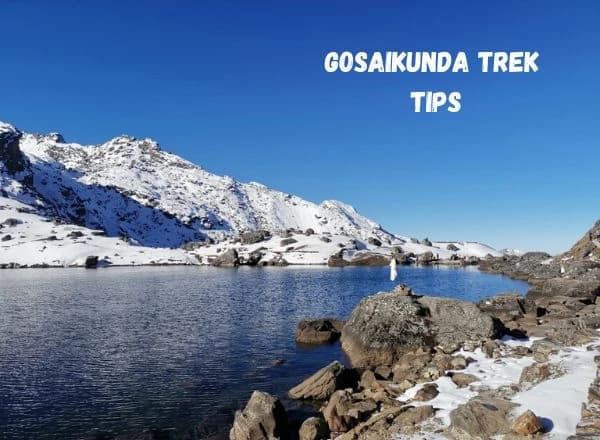
Tucked away in the breathtaking Langtang National Park, this trail perfectly blends natural beauty with spiritual significance. The journey takes you through lush rhododendron forests and rugged alpine terrain, culminating at the sacred, glacier-fed lake.

Here is a brief overview of what you need to know before you hit the trail:
-
Gosaikunda Trek Altitude & Elevation: The trail reaches a maximum Gosaikunda Trek height of 4,380 meters (14,370 feet) at the lake. Because of this rapid ascent, preparing to prevent Gosaikunda Trek altitude sickness is an essential part of your journey.
-
Gosaikunda Trek Distance: The total Gosaikunda Trek walking distance covers approximately 40 to 50 kilometers round-trip. Your specific Gosaikunda Trek daily distance will depend on your starting point, which you can easily trace on a standard Gosaikunda Trek map.
-
Gosaikunda Trek Accommodation: You can expect traditional Gosaikunda Trek tea house lodgings along the way. These cozy tea houses in Gosaikunda offer warm local meals and a comfortable Gosaikunda Trek overnight stay. (Note: Gosaikunda Trek accommodation cost and Gosaikunda Trek room price are generally highly affordable but increase slightly as you gain elevation compared to lower Gosaikunda Trek lodges).
Understanding these fundamentals will help you tackle the steep ascents and fully appreciate the serenity of the Langtang region. If you are ready to see how these details fit into a daily plan, check out our comprehensive Gosaikunda Lake Trek itinerary to start planning your adventure today.
If you're looking for a complete overview of the route, itinerary, permits, and preparation tips, read our Complete Gosaikunda Short Trek Guide before planning your adventure.
Quick Summary: Gosaikunda Trek Altitude, Distance & Accommodation
|
Information
|
Details
|
|
Duration
|
6 Days
|
|
Distance
|
Approx. 26–30 km (total round trip)
|
|
Highest Point
|
4,380 m (Gosaikunda Lake)
|
|
Difficulty
|
Moderate
|
|
Accommodation
|
Tea Houses / Mountain Lodges
|
|
Meals
|
Available (Breakfast, Lunch, Dinner)
|
|
Electricity
|
Yes (Limited/Solar in higher altitudes)
|
|
Network
|
Limited (Ncell may work in lower sections)
|
|
Best Season
|
Spring (March–May) & Autumn (September–November)
|
Gosaikunda Trek Altitude Overview

Any reliable Gosaikunda Trek travel guide will emphasize that understanding your Gosaikunda Trek elevation is crucial before hitting the trail. Your journey begins in the town of Dhunche at a starting elevation of 2,030 meters (6,660 feet) and climbs steeply upward through the mountains. The destination reaches a final Gosaikunda Trek height of 4,380 meters (14,370 feet), which also serves as the highest point of the standard route. This means you will be conquering a total Gosaikunda Trek altitude gain of 2,350 meters (7,710 feet) in just a few short days of hiking.
Because this massive climb happens so quickly, knowing how altitude affects your body is vital for a safe trip. As you ascend, the thinner air and lower oxygen levels will naturally make physical exertion feel much harder and leave you out of breath faster. This rapid climb also increases your risk of Gosaikunda Trek altitude sickness, making proper acclimatization, hydration, and pacing absolutely essential to avoid symptoms like headaches and nausea. Finally, higher elevations bring drastic temperature drops, so preparing with warm layers for freezing mountain nights is just as important as preparing your body for the climb itself.
Gosaikunda Trek Altitude Chart
|
Day
|
Place
|
Elevation
|
|
Day 1
|
Kathmandu
|
1,350 m
|
|
Day 2
|
Dhunche
|
2,030 m
|
|
Day 3
|
Chandanbari (Sing Gompa)
|
3,330 m
|
|
Day 4
|
Lauribina
|
3,920 m
|
|
Day 5
|
Gosaikunda
|
4,380 m
|
How Does the Altitude Affect Trekkers
As you ascend toward the maximum Gosaikunda Trek height of 4,380 meters, the decreasing air pressure and thinner oxygen levels will naturally impact your body. Even the most physically fit hikers will notice changes in how they feel and perform. Here is exactly how the high Gosaikunda Trek altitude typically affects trekkers on the trail:
- Breathing
- Walking Speed
- Sleeping
- Hydration
How Does Altitude Sickness Affect Trekkers
When ascending rapidly to the heights of the Langtang region, the risk of Gosaikunda Trek altitude sickness (also known as Acute Mountain Sickness or AMS) becomes a serious consideration. Ignoring the early warning signs can lead to severe health risks. It is crucial to listen to your body and monitor yourself and your trekking partners for the following common symptoms:
- Headache
- Vomiting and Nausea
- Loss of Appetite
- Dizziness
How to Prevent Altitude Sickness
Preventing Gosaikunda Trek altitude sickness is much easier than treating it. As you ascend and adjust to the increasing Gosaikunda Trek elevation, following these golden rules of high-altitude trekking will keep you safe and energized:
- Drink water
- Walk slowly
- Sleep well
- Avoid alcohol
- Eat enough
If you want to know about this trip you can consult with our expert from our website
Gosaikunda Trek Distance
When preparing for this Himalayan adventure, understanding the overall Gosaikunda Trek distance is just as important as preparing for the altitude. While it is considered a relatively short expedition compared to other major Nepalese trails, the steep, relentless climbs mean it still requires solid stamina and physical preparation.
Total Trekking Distance
If you are tracing the standard Gosaikunda Trek route on a reliable Gosaikunda Trek map, you will notice that the trail is quite compact but heavily concentrated with steep ascents. Here is a quick breakdown of the mileage you can expect to cover:
|
Journey Segment
|
Distance
|
Key Details
|
|
Approximate Total
|
40 to 45 km (25 to 28 miles)
|
The total Gosaikunda Trek walking distance for the entire journey, assuming the classic path starting and ending in Dhunche.
|
|
One Way (Ascent)
|
20 to 22 km
|
The upward journey from the trailhead to the sacred lake. Because of the aggressive elevation gain, your Gosaikunda Trek daily distance is kept short usually 5 to 8 km per day to ensure safe acclimatization.
|
|
Round Trip (Descent)
|
40 to 45 km
|
Completing the classic out-and-back trail. Because you will be fully acclimatized and walking downhill, your daily distance on the return trip is much higher, covering the descent in just a couple of days.
|
Daily Walking Distance
|
Day
|
Route Segment
|
Distance
|
Hours
|
|
Day 1
|
Kathmandu to Dhunche (Drive)
|
130 km (Drive)
|
7–9 hrs
|
|
Day 2
|
Dhunche to Chandanbari (Sing Gompa)
|
6–7 km
|
5–6 hrs
|
|
Day 3
|
Chandanbari to Lauribina
|
7–8 km
|
6–7 hrs
|
|
Day 4
|
Lauribina to Gosaikunda Lake
|
4–5 km
|
3–4 hrs
|
|
Day 5
|
Gosaikunda to Dhunche (Return)
|
20–22 km
|
7–8 hrs
|
Want a detailed day-by-day trekking schedule? Explore our Detailed Gosaikunda Lake Trek Itinerary to see the complete route, elevation profile, and overnight stops.
Gosaikunda Trek Accommodation Guide
When planning your journey into the Langtang region, figuring out your Gosaikunda Trek accommodation is a top priority. Unlike remote camping treks that require you to haul heavy tents and cooking gear, this route relies entirely on a well-established network of local mountain lodgings. Your daily Gosaikunda Trek overnight stay will primarily be in traditional tea houses in Gosaikunda. These are small, family-run establishments designed specifically for trekkers.
A typical Gosaikunda Trek tea house provides the absolute essentials for high-altitude survival: a modest room with twin beds, thick blankets, a communal dining hall heated by a central stove, and hearty local meals like dal bhat to refuel your body after a long day of walking.
Accommodation at Each Stop at Gosaikunda Trek
|
Place
|
Accommodation
|
|
Dhunche
|
Tea Houses / Local Lodges: Basic but lodges such as National Hotel & Lodge, Hotel Himalayan Mountain View, and Hotel Habre. These offer twin rooms, shared bathrooms, and warm meals.
|
|
Chandanbari (Sing Gompa)
|
Tea Houses: Established lodges near Sing Gompa (e.g- local lodges run by the Gompa or Tamang community). Facilities are basic with shared rooms and toilets, but provide warm food and shelter.
|
|
Lauribina
|
Tea Houses: Small, seasonal lodges offering dormitory-style or twin rooms. Options are limited and facilities are rustic, but sufficient for trekkers.
|
|
Gosaikunda
|
Tent / Dormitory Shelters: No permanent tea houses at the lake itself. Pilgrims and trekkers stay in seasonal stone huts, temporary shelters, or tents during the Janai Purnima festival.
|
Planning your budget? Read our Complete Gosaikunda Trek Cost Breakdown to learn about permits, transportation, accommodation, meals, guides, and hidden expenses before your trip.
Room Facilities at Gosaikunda Trek
Tea houses along the Gosaikunda Trek offer basic but functional lodging. Here is what you can typically expect:
|
Facility
|
Details
|
|
Room Type
|
Mostly Twin rooms (two single beds), some lodges offer Private rooms (often at a small extra cost).
|
|
Bedding
|
Basic beds with mattresses and pillows and blankets are provided but bringing a warm sleeping bag is highly recommended for higher altitudes.
|
|
Bathroom
|
Shared bathroom is standard and toilets are usually Asian squat style though some lower-altitude lodges may have Western toilets.
|
|
Furniture
|
Minimal and usually just a small table or shelf. No heating in rooms (heating is only in the common dining area).
|
Food Available at Gosaikunda Trek
Tea houses serve a variety of meals to fuel trekkers. The menu is generally consistent across the route:
|
Food Item
|
Description
|
|
Dal Bhat
|
The staple Nepali meal (rice, lentil soup, vegetable curry, and pickles); often comes with unlimited refills.
|
|
Noodles
|
Fried noodles or simple noodle soup; a quick and warm option.
|
|
Soup
|
Vegetable, garlic, or mushroom soups; popular for warming up and aiding acclimatization.
|
|
Tea
|
Black tea, milk tea, or ginger/honey lemon tea; available everywhere.
|
|
Coffee
|
Instant coffee or simple ground coffee; quality varies by lodge.
|
|
Eggs
|
Boiled, fried, scrambled, or omelets; a common breakfast protein.
|
|
Porridge
|
Oatmeal or wheat porridge; a warm, energy-rich breakfast choice.
|
|
Pancakes
|
Simple or with honey/jam; a popular breakfast treat.
|
Electricity & Charging at Gosaikunda Trek
Power availability decreases as you ascend, so plan accordingly:
|
Aspect
|
Details
|
|
Availability
|
Electricity is available in most tea houses (solar or hydro), but can be intermittent or shut off at night in higher stops like Lauribina.
|
|
Charging Fee
|
Expect to pay NPR 200–500 per hour or per device for charging phones/cameras in higher-altitude lodges.
|
|
Power Bank Recommendation
|
Highly recommended. Carry a fully charged power bank (10,000–20,000 mAh) to ensure your devices last between charging points.
|
Internet & Mobile Network at Gosaikunda Trek
Connectivity is limited but possible in the lower sections:
|
Network
|
Signal Quality & Availability
|
|
NTC (Nepal Telecom)
|
Best coverage; signal available in Dhunche, Chandanbari, and sometimes Lauribina (2G/3G data).
|
|
Ncell
|
Very limited; may work sporadically in Dhunche and lower sections, but often no signal higher up.
|
|
WiFi
|
Not available in tea houses on this route. Some lodges may offer paid data cards, but reliance on mobile data is more common.
|
|
Signal Quality
|
Generally weak to moderate; do not expect high-speed internet. Download offline maps before starting.
|
Hot Shower at Gosaikunda Trek
Warm water is a luxury that comes at a cost on this trek:
|
Aspect
|
Details
|
|
Availability
|
Available in Dhunche and Chandanbari (Sing Gompa) rare or unavailable in Lauribina and Gosaikunda.
|
|
Cost
|
Typically NPR 300–600 per shower (bucket of hot water).
|
|
Where Available
|
Ask at the lodge reception; hot water is usually solar-heated or boiled on the stove and delivered in a bucket.
|
Is Accommodation Available During Peak Season?
Timing your journey is crucial, as the availability of your Gosaikunda Trek accommodation changes drastically depending on the time of year. Below is a data-driven breakdown of what you can expect during the busiest trekking windows.
Spring (March to May) Spring is a highly popular time to visit due to the blooming rhododendrons and milder mountain temperatures. During these months, the tea houses in Gosaikunda operate at roughly 75% to 85% capacity. While trails are busy with international trekkers, you can usually secure a bed if you arrive by early afternoon. However, late arrivals may find themselves sleeping on mattresses in the communal dining halls.
Autumn (September to November) Autumn is the undisputed peak season for trekking in Nepal, offering the clearest mountain views and the most stable weather. Because of the high volume of hikers, Gosaikunda Trek lodges operate at a staggering 95% to 100% capacity. Single rooms are virtually non-existent, and twin-sharing is the strict standard. During the busiest weeks of October, it is very common for tea houses to run out of rooms entirely by mid-day.
Janai Purnima (August) While August is typically a quiet monsoon month for the rest of Nepal, the Gosaikunda region experiences a massive, unique surge in visitors during the Janai Purnima festival. Between 10,000 and 30,000 Hindu and Buddhist pilgrims make the arduous climb to bathe in the holy lake over a single week. During this time, standard Gosaikunda Trek overnight stay options completely vanish. Occupancy pushes well past 100%, with up to ten people sharing a single small room. Temporary tarp tents are erected around the lake, and thousands of pilgrims resort to sleeping outside on plastic mats.
Booking Advice If you are traveling during Spring or Autumn, booking a trekking package through a registered agency is the safest way to guarantee a bed, as guides pre-book rooms through their local mountain networks. If trekking independently, start your daily hikes at sunrise to claim a room early. For anyone attempting the trek during Janai Purnima, carrying a high-quality, four-season sleeping bag (rated for at least -10°C) and a foam sleeping mat is absolutely mandatory.
Peak Season Accommodation At a Glance
Here is a quick look at the numbers and occupancy rates you can expect during the busiest times on the trail:
|
Season / Event
|
Est. Occupancy Rate
|
Estimated Visitor Volume
|
Key Accommodation Impact
|
|
Spring (Mar – May)
|
75% – 85%
|
Moderate to High
|
Rooms generally available if arriving by early afternoon; occasional dining hall sleeping may be required during peak weeks.
|
|
Autumn (Sep – Nov)
|
95% – 100%
|
Very High
|
Single rooms unavailable; strict twin-sharing enforced; mid-day sellouts are highly common. Booking in advance is essential.
|
|
Janai Purnima (Aug)
|
100%+ (Overflow)
|
10,000 – 30,000+ Pilgrims
|
Zero standard room availability; extreme overcrowding; outdoor camping gear (tent, sleeping bag) is mandatory for survival.
|
Essential Tips Before Staying in Tea Houses
There are various essential tips before staying in the tea houses, many people have already been there while they are having the trek in gosaikunda. The most and best efficient tips before staying in the Tea Houses are given below:
- Cash
- Warm clothes
- Respect local culture
- Limited electricity
- Carry toiletries
What Should You Pack for High Altitude
There are many things you should have to pack before going to the high altitude. Some of the most important are given below, you shouldn’t miss out on taking these things in your high altitude trek like the Gosaikunda trek.
- Jacket
- Sleeping bag
- Medicine
- Water bottle
- Power bank
- Torch
- Gloves
- Socks
- 4 pairs of socks (thick)
10 Common Mistakes Trekkers Make on Gosaikunda Trek
The very common mistakes trekkers do at the Gosaikunda Trek are given below :
- Ascending Too Quickly
- Not Carrying a Physical Map
- Arriving Too Late in the Afternoon During Peak Season
- Failing to Budget for Hidden Accommodation Costs
- Inadequate Hydration
- Trekking Without a Guide or Proper Group
- Packing Too Heavy
- Trekking During Janai Purnima Without a Tent
- Skipping Travel Insurance That Covers High Altitudes
Still deciding between trekking routes? Compare the Gosaikunda Trek vs Langtang Valley Trek to understand the differences in scenery, difficulty, duration, altitude, and overall trekking experience.
Frequently Asked Questions
1. What is the highest altitude of the Gosaikunda Trek?
The highest point of the Gosaikunda Trek is 4,380 meters (14,370 feet) at Gosaikunda Lake. At this elevation, the oxygen level is lower than at sea level, so proper acclimatization is important.
2. How long is the Gosaikunda Trek?
The classic Gosaikunda Trek covers approximately 40–45 kilometers (25–28 miles) round trip, depending on the starting point and itinerary.
3. How many days does the Gosaikunda Trek take?
Most trekkers complete the trek in 5 days, although shorter and longer itineraries are available depending on fitness level and route choice.
4. Is the Gosaikunda Trek difficult?
The trek is considered moderately difficult. Although the overall distance is relatively short, the steep ascent and rapid altitude gain make it physically demanding.
5. Are tea houses available on the Gosaikunda Trek?
Yes. Tea houses are available at major overnight stops such as Dhunche, Chandanbari (Sing Gompa), and Lauribina. They provide basic accommodation, meals, and limited charging facilities.
6. How much does accommodation cost on the Gosaikunda Trek?
Tea house rooms generally cost NPR 500–1,500 per night, depending on the season and altitude. Prices are usually higher at higher elevations.
7. Can beginners do the Gosaikunda Trek?
Yes. Beginners with a reasonable level of fitness can complete the trek successfully. It is recommended to prepare with regular walking or hiking before the trip.
8. What is the best season for the Gosaikunda Trek?
The best trekking seasons are March to May and September to November, when the weather is stable and mountain visibility is excellent.
9. Is there mobile network and internet on the Gosaikunda Trek?
NTC provides the most reliable mobile coverage along parts of the route. Internet access is limited, especially above Lauribina.
10. What should I pack for the Gosaikunda Trek?
Essential items include warm clothing, waterproof layers, hiking boots, a sleeping bag, trekking poles, sunscreen, a reusable water bottle, personal medications, and a power bank.
Content Reviewed By
Beyond The Limits Treks & Expedition Pvt. Ltd.
A licensed trekking company in Nepal specializing in trekking and adventure travel across the Langtang, Everest, Annapurna, and Manaslu regions. The company's professional team regularly reviews trekking information, route conditions, permit requirements, and travel logistics to ensure content accuracy and reliability.
Legal document: Beyond the limits treks