If you are planning a trek in Nepal's stunning Langtang region? You are likely torn between its two most popular routes: the Langtang Valley Trek and the Gosaikunda Lake Trek. Renowned for their easy accessibility from Kathmandu, rich Tamang culture, and breathtaking Himalayan scenery, both trails deliver a world-class adventure without the heavy crowds of Everest or Annapurna. However, because one offers a gradual, culturally immersive valley hike while the other demands a steep, spiritual ascent to sacred alpine lakes, many trekkers struggle to make a choice. This comprehensive comparison guide breaks down every crucial factor including :
- Trail difficulty
- Altitude profiles
- Scenic highlights
- Ideal itineraries

Quick Comparison table for Gosaikunda trek and Lantang valley trek
|
Feature
|
Gosaikunda Trek
|
Langtang Valley Trek
|
|
Duration
|
6 days (short, spiritual)
|
10 days (longer, immersive)
|
|
Maximum Altitude
|
4,610 m (Lauribina Pass): sleep at 4,380 m (Gosaikunda Lake)
|
3,870 m (Kyanjin Gompa): optional day hikes to 4,984 m (Tserko Ri)
|
|
Difficulty
|
Moderate to Challenging (rapid altitude gain, steep trails)
|
Moderate (gradual ascent, better acclimatization)
|
|
Trek Distance
|
35–45 km total
|
65–77 km total
|
|
Best Season
|
Spring (Mar–May) & Autumn (Sep–Nov)
|
Spring (Mar–May) & Autumn (Sep–Nov)
|
|
Accommodation
|
Basic teahouses; simpler near lakes
|
Better variety; more developed lodges in Kyanjin area
|
|
Budget (USD)
|
$350–$450 (6 days)
|
$460–$600 (10 days)
|
|
Scenic Highlights
|
Sacred alpine lakes (Gosaikunda, Suryakunda), Lauribina Pass, Ganesh Himal & Langtang views
|
Glacial valley, Langtang Lirung (7,227 m), Kyanjin Gompa monastery, yak pastures, Tserko Ri viewpoint
|
|
Suitable For
|
Short-time trekkers, pilgrims, seasoned hikers comfortable with altitude
|
First-timers, culture seekers, nature lovers wanting diverse landscapes
|
Overview of the Gosaikunda Trek
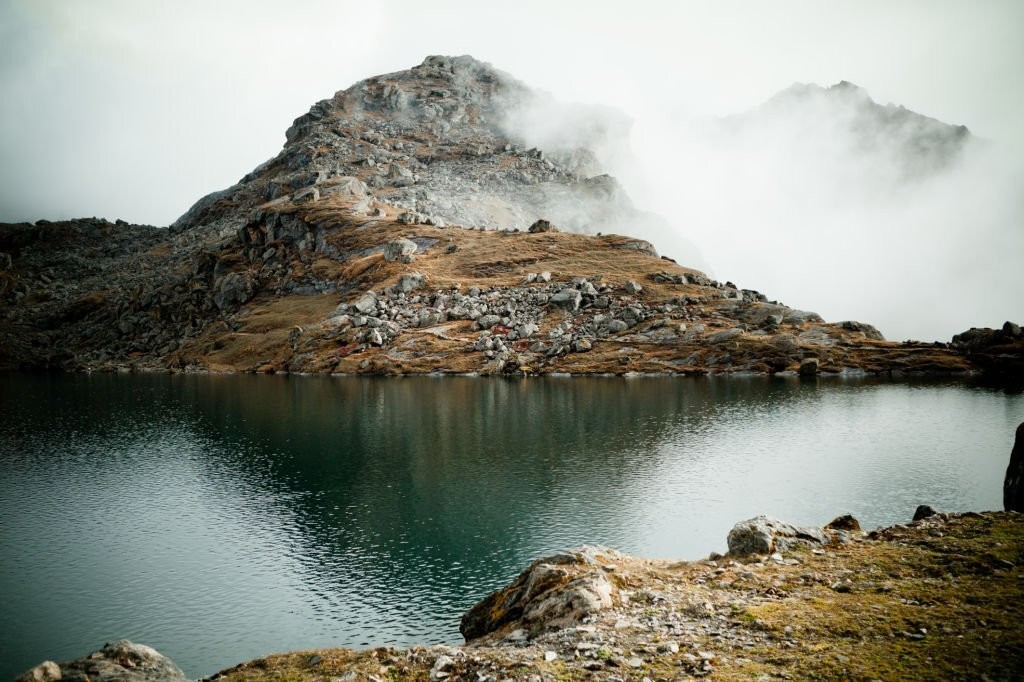
If you are looking for a trek that combines raw Himalayan beauty with a deeply spiritual atmosphere, the Gosaikunda Trek is hard to beat. Unlike trails that slowly wind through low valleys, this trek wastes no time in taking you high into the alpine zone. It is a sharp, rewarding climb that trades dense forests for wide-open ridges, eventually leading you to a dramatic amphitheater of high-altitude glacial lakes.
For trekkers who want to feel the immense scale of the mountains quickly without committing to a multi-week expedition, this route delivers an unforgettable, fast-paced alpine adventure.
What Makes Gosaikunda Special?
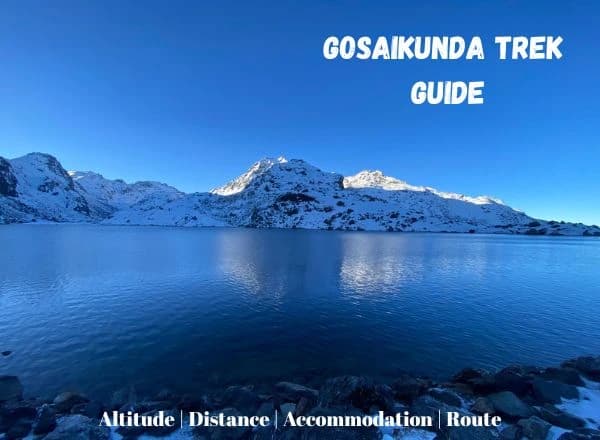
The Sacred Alpine Lakes: The absolute crown jewels of this trek are the lakes themselves. Sitting at an altitude of 4,380 meters, Gosaikunda is the main attraction, but it is surrounded by a cluster of over a dozen alpine lakes, including Bhairav Kunda and Saraswati Kunda. The sight of these deep vibrant waters framed by sharp, snow-dusted peaks is nothing short of surreal.
Deep Religious Significance: Gosaikunda is not just a geological wonder but it is a living place of worship. According to Hindu mythology, the lakes were created by Lord Shiva himself. When he swallowed a universe-destroying poison, he thrust his holy trident (trishul) into the mountainside to draw out fresh, cold water to soothe his burning throat.
A Vibrant Pilgrimage Route: Because of its divine origins, the trail doubles as a historic pilgrimage site. During the Janai Purnima festival in August, thousands of Hindu and Buddhist pilgrims, alongside traditional Dhami/Jhankri (shamans), make the challenging journey to bathe in the holy waters. Walking a path infused with centuries of devotion gives this trek an energy you won't find on standard commercial routes.
Panoramic Mountain Scenery: The ridge walks along this trail offer some of the most expansive views in the region. As you ascend through Lauribina, the horizon opens up to reveal a stunning panorama that includes the Langtang range, Ganesh Himal, Manaslu, and even the distant peaks of the Annapurnas on a clear day.
Who Should Choose the Gosaikunda Trek?
Pilgrims and Spiritual Seekers: If you want your journey to be about more than just physical exercise, the spiritual gravity of these sacred waters makes it a deeply meaningful pilgrimage.
Beginners with Good Physical Fitness: While you do not need technical climbing skills, you do need strong legs and good cardio. The trail climbs steeply right from the start, meaning you will feel the incline immediately. If you are fit, active, and ready for a fun challenge, you will love it.
Nature and Landscape Lovers: If your dream trek involves dramatic elevation changes, rugged alpine terrain, and alpine lakes rather than walking through villages, this is your trail.
Short Holiday Travelers: If you are pressed for time but still want to experience the high Himalayas, Gosaikunda is perfect. You can complete the core trek and return to Kathmandu in less than a week.
Planning your route? Check out our detailed day-by-day breakdown in our Complete Gosaikunda Trek Itinerary to map out your stops, elevation gains, and tea houses.
Overview of the Langtang Valley Trek

The Langtang Valley Trek is a journey into the heart of the Himalayas that feels surprisingly intimate. Unlike the steep, rapid ascent of Gosaikunda, this trail is all about the slow reveal. You start in lush, subtropical forests alongside the echoing Langtang River and gradually climb into a sweeping, open U-shaped valley carved by ancient ice. It is a deeply emotional and incredibly scenic route, characterized just as much by the warmth of its people as by its towering snow-capped peaks. If you want a classic Himalayan trekking experience that beautifully balances nature and local heritage, this is where you need to be.
What Makes Langtang Valley Unique?
Immersive Tamang Culture: Trekking through Langtang feels like stepping into a different era. The region is heavily influenced by Tibetan Buddhism, and the local Tamang people are renowned for their incredible hospitality. Throughout your hike, you will pass intricately carved mani walls, cross suspension bridges draped in fluttering prayer flags, and have the chance to experience a traditional, mountain-dwelling way of life.
The Resilience of Langtang Village: Langtang Village is the emotional core of this trek. Devastated by a massive landslide during the 2015 earthquake, the village has since been lovingly and resiliently rebuilt by the locals. Walking through this settlement is a profound experience, offering a chance to honor those who were lost while directly supporting the community's inspiring recovery.
Kyanjin Gompa: The trail culminates at Kyanjin Gompa (3,870m), a stunning alpine settlement that feels like a sanctuary at the end of the world. Home to an ancient monastery and a famous yak cheese factory, it serves as the perfect basecamp for further exploration. The vibe here is peaceful, majestic, and completely unforgettable.
Up-Close Glacier Views: Once the valley opens up, the visual rewards are staggering. You will find yourself dwarfed by the massive face of Langtang Lirung (7,227m) and its hanging glaciers. If you have the energy, hiking up to nearby viewpoints like Kyanjin Ri or Tserko Ri puts you practically eye-level with the icefalls and offers 360-degree panoramic views of the entire Langtang range.
Who Should Choose the Langtang Valley Trek?
Culture Lovers: If you prefer a trek where you can sit around a warm tea house stove, learn about local traditions, and connect with the people who call the mountains home, the valley trail is highly engaging.
Longer Trek Seekers: While still a relatively moderate trek, the Langtang Valley route typically takes a little longer than Gosaikunda (usually around 7 to 9 days). It is perfect for those who want to disconnect and spend a solid week breathing crisp mountain air.
Photography Enthusiasts: The sheer variety of landscapes is a dream for photographers. You get it all: dense bamboo and rhododendron forests (where you might spot a red panda!), raging rivers, yaks grazing in green pastures, and stark, dramatic glaciers.
First-Time Himalayan Trekkers: If this is your first time dealing with high altitude, Langtang Valley is incredibly forgiving. The gradual elevation gain allows your body to naturally acclimatize day by day, making it a much safer and more comfortable introduction to high-altitude trekking compared to steeper routes.
Ready to hit the trail? Discover the best route, daily walking distances, and essential tips in this complete Langtang Valley Trek guide.
Gosaikunda Trek and Lantang Trek : Trip Overview
Gosaikunda Trek and Lantang Trek is one of the most popular treks in Nepal. Many people from the foreign countries came to visit Nepal and did this trek for life experience. There are lots of hidden secrets in these treks. As per the hindi mythology the Gosaikunda Trek and Langtang Trek belong primarily to Lord Shiva and his consort, Goddess Gauri (also known as Parvati). Every year in August, thousands of Hindu pilgrims undertake the Gosaikunda Trek to bathe in the freezing waters during the sacred thread festival, as it is believed to wash away sins.
Trip Facts
|
Feature
|
Gosaikunda Trek
|
Langtang Valley Trek
|
|
Days
|
6 days
|
10 days
|
|
Highest Point
|
4,610 m (Lauribina Pass)
|
3,870 m (Kyanjin Gompa); optional 4,984 m (Tserko Ri)
|
|
Distance
|
35–45 km total
|
65–77 km total
|
|
Starting Point
|
Dhunche (from Kathmandu) or Syabrubesi
|
Syabrubesi (from Kathmandu)
|
|
Finish Point
|
Dhunche or Syabrubesi (loop possible)
|
Kyanjin Gompa → Syabrubesi (out-and-back)
|
Difficulty & Altitude Profile
|
Feature
|
Gosaikunda Trek
|
Langtang Valley Trek
|
|
Daily Ascent
|
Steep: 600–900 m/day
|
Moderate: 400–600 m/day
|
|
Acclimatization
|
Rapid: higher AMS risk
|
Gradual: safer acclimatization
|
|
Technical Sections
|
Lauribina Pass (snow/ice possible)
|
None: well-maintained trails
|
|
Best For
|
Fit trekkers, pilgrims, short-time adventurers
|
First-timers, culture seekers, families
|
Cultural Highlights
|
Feature
|
Gosaikunda Trek
|
Langtang Valley Trek
|
|
Key Sights
|
Gosaikunda Lake, Suryakunda, Lauribina Pass
|
Langtang Lirung, Kyanjin Glacier, Tserko Ri
|
|
Cultural Focus
|
Hindu/Buddhist pilgrimage (Janai Purnima)
|
Tamang Buddhist villages, monasteries
|
|
Wildlife
|
Rare (higher altitude, less forest)
|
Red pandas, langurs, Himalayan tahr
|
|
Photography
|
Alpine lakes, mountain reflections
|
Glacier valleys, yak herds, village life
|
Logistics & Comfort
|
Feature
|
Gosaikunda Trek
|
Langtang Valley Trek
|
|
Teahouse Quality
|
Basic: fewer options near lakes
|
Better variety: more developed lodges
|
|
Food Variety
|
Limited (dal bhat, noodles)
|
Wider menu (pizza, pasta, baked goods)
|
|
Permit Cost
|
Langtang National Park + TIMS
|
Langtang National Park + TIMS
|
|
Crowd Level
|
Low to moderate
|
Moderate to high (especially spring/autumn)
|
Cost comparison between Gosaikunda Trek and Lantang Trek
|
Expense
|
Gosaikunda Trek
|
Langtang Valley Trek
|
|
Total Cost (USD)
|
$300–$650 (budget to standard)
|
$400–$800 (budget to standard)
|
|
Guide (per day)
|
$25–$35
|
$25–$35
|
|
Porter (per day)
|
$20–$25
|
$20–$25
|
|
Accommodation (per night)
|
$5–$10 (basic teahouses)
|
$8–$15
|
|
Meals (per day)
|
$15–$25 (dal bhat, noodles)
|
$20–$30 (wider menu options)
|
|
Transport (Kathmandu–trailhead)
|
$10–$20 (public bus to Dhunche/Syabrubesi)
|
$10–$20 (public bus to Syabrubesi)
|
|
Hidden Costs
|
$30–$80 (Wi-Fi, hot shower, charging, snacks)
|
$40–$100 (more amenities, gear rental)
|
|
Best Value For
|
Solo travelers, pilgrims, short trips
|
Families, culture seekers, longer stays
|
Interactive Day-by-Day Comparison of Gosaikunda Trek vs Lantang Trek
|
Day
|
Gosaikunda Trek
|
Langtang Valley Trek
|
|
Day 1
|
Kathmandu → Dhunche (7–8 hrs drive) → Chandanbari (5–6 hrs trek)
|
Kathmandu → Syabrubesi (7 hrs drive)
|
|
Day 2
|
Chandanbari → Lauribina (6–7 hrs trek)
|
Syabrubesi → Lama Hotel (6 hrs trek)
|
|
Day 3
|
Lauribina → Gosaikunda Lake (5–6 hrs trek)
|
Lama Hotel → Langtang Village (6 hrs trek)
|
|
Day 4
|
Gosaikunda → Suryakunda → Gosaikunda (3–4 hrs acclimatization hike)
|
Langtang Village → Kyanjin Gompa (4–5 hrs trek)
|
|
Day 5
|
Gosaikunda → Khendi Top (6–7 hrs trek)
|
Kyanjin Gompa → Kyanjin Ri (3–4 hrs hike) + rest
|
|
Day 6
|
Khendi → Dhunche (5–6 hrs trek) → Drive to Kathmandu (7–8 hrs)
|
Kyanjin Gompa → Tserko Ri (4–5 hrs hike) + return
|
|
Day 7
|
Trek complete
|
Kyanjin Gompa → Lama Hotel (6 hrs trek)
|
|
Day 8
|
—
|
Lama Hotel → Syabrubesi (5–6 hrs trek)
|
|
Day 9
|
—
|
Syabrubesi → Kathmandu (7 hrs drive) + farewell dinner
|
Mountain View Comparison between Gosaikunda Trek and Lantang Trek
Gosaikunda Trek
|
Peak
|
Elevation
|
Visibility
|
|
Langtang Lirung
|
7,227 m
|
Clear, close-up views from Lauribina Pass and Gosaikunda Lake
|
|
Ganesh Himal
|
7,422 m
|
Prominent from Lauribina Pass and high ridges
|
|
Manaslu
|
8,163 m
|
Distant, visible on clear mornings from Lauribina Pass
|
|
Dorje Lakpa
|
6,966 m
|
Visible from Gosaikunda Lake and Lauribina Pass
|
|
Langtang Himal range
|
6,000–7,000 m
|
Panoramic ridge views from high points
|
Lantang Trek
|
Peak
|
Elevation
|
Visibility
|
|
Langtang Lirung
|
7,227 m
|
Up-close, dominant view from Kyanjin Gompa and Tserko Ri
|
|
Gangchempo
|
6,387 m
|
Clear from Kyanjin Gompa and along the valley trail
|
|
Yala Peak
|
5,500 m
|
Prominent from Kyanjin area and Tserko Ri viewpoint
|
|
Dorje Lakpa
|
6,966 m
|
Visible from Tserko Ri and high valley sections
|
|
Langtang Lirung Base
|
—
|
Direct view of glacier and base camp from Kyanjin area
|
Wildlife Comparison between Gosaikunda Trek Vs Lantang Trek
|
Species
|
Gosaikunda Trek
|
Langtang Valley Trek
|
|
Red Panda
|
Rare and possible in Polangpati, Cholangpati forests (2,800–3,600 m)
|
More common but in near bamboo forests Ghodatabela, Polangpati, Langtang Village
|
|
Himalayan Monal
|
Occasional at Lauribina Pass and alpine meadows
|
Frequent in rhododendron forests (Lama Hotel to Langtang)
|
|
Musk Deer
|
Rare but in higher altitudes near Gosaikunda Lake
|
Possible in upper valley (Kyanjin area, yak pastures)
|
|
Himalayan Black Bear
|
Very rare but dense forests below 3,000 m
|
Occasional in lower valleys (Syabrubesi to Lama Hotel)
|
|
Langur (Himalayan Monkey)
|
Rare but in lower forest sections
|
Common near Lama Hotel and Langtang Village
|
|
Birds
|
50+ species. Alpine and high-altitude birds
|
250+ recorded species with diverse forest, alpine, and riverine birds
|
Food comparison between Gosaikunda Trek Vs Lantang Trek
|
Category
|
Gosaikunda Trek
|
Langtang Valley Trek
|
|
Breakfast Options
|
Porridge, Tibetan bread, chapati, eggs (boiled/scrambled), instant noodles
|
Porridge, Tibetan bread, pancakes, chapati, eggs (multiple styles), tsampa porridge, momos
|
|
Lunch
|
Dal bhat (rice, lentils, veg), fried rice, noodles, simple soups
|
Dal bhat (with local yak butter), fried rice, momos, thukpa, pasta, pizza (in Kyanjin)
|
|
Dinner
|
Dal bhat, fried noodles, potato curry, simple veg dishes
|
Dal bhat, momos, thukpa, yak cheese toast, pasta, pizza, curries, baked goods
|
|
Snacks
|
Biscuits, chocolate bars, instant coffee, energy bars
|
Biscuits, chocolate, local yak cheese, dried fruits, energy bars, popcorn
|
|
Bakery Availability
|
Very limited but basic biscuits only
|
Available in Kyanjin Gompa (fresh bread, cookies, cakes)
|
|
Yak Cheese
|
Rare but occasional from passing herders
|
Common and fresh from Kyanjin Cheese Factory (Swiss-style, cheddar, gouda)
|
|
Tea
|
Black tea, milk tea, ginger tea, lemon tea
|
Black tea, milk tea, ginger tea, lemon tea, herbal tea, yak butter tea
|
|
Coffee
|
Instant coffee, Americano (basic)
|
Instant coffee, espresso, latte, cappuccino (in Kyanjin lodges)
|
|
Drinking Water
|
Bottled water ($1–$2), boiled water ($0.50–$1), limited filtration
|
Bottled water ($1–$2.50), boiled water ($0.50–$1.50), UV-treated water (some lodges)
|
Frequently Asked Question
1. Which is better: Gosaikunda Trek or Langtang Valley Trek?
It depends on your travel goals. Gosaikunda Trek is ideal for those seeking a shorter, spiritual adventure with stunning alpine lakes, while Langtang Valley Trek is better for travelers who want a longer journey filled with mountain scenery, glaciers, and cultural experiences.
2. Is the Gosaikunda Trek more difficult than the Langtang Valley Trek?
Yes. The Gosaikunda Trek involves a steeper ascent and reaches a higher altitude in fewer days, making it more physically demanding. The Langtang Valley Trek has a gradual climb, allowing better acclimatization for most trekkers.
3. Which trek is better for beginners?
The Langtang Valley Trek is generally the better choice for beginners because of its gradual altitude gain, well-established trails, and comfortable tea houses along the route.
4. Which trek is more affordable?
The Gosaikunda Trek usually costs less because it takes fewer days to complete. Lower accommodation, food, and guide expenses make it a more budget-friendly option.
5. Which trek offers better mountain views?
Both treks provide incredible Himalayan scenery. Gosaikunda Trek is famous for its sacred alpine lakes and panoramic ridgeline views, while Langtang Valley Trek offers close-up views of glaciers, Langtang Lirung, and surrounding peaks.
6. What is the best time to do the Gosaikunda Trek or Langtang Valley Trek?
The best seasons are spring (March to May) and autumn (September to November). During these months, the weather is stable, skies are clear, and the mountain views are at their best.
7. Can beginners complete the Gosaikunda Trek?
Yes, beginners with good physical fitness can complete the Gosaikunda Trek. However, they should prepare for steep climbs and be aware of the risks associated with high altitude.
8. Which trek has better cultural experiences?
The Langtang Valley Trek offers a richer cultural experience through traditional Tamang villages, Buddhist monasteries, local yak farms, and opportunities to learn about Himalayan mountain life.
9. Can I combine the Gosaikunda Trek and Langtang Valley Trek?
Yes. Many trekkers combine both routes into one extended adventure lasting around 12 to 16 days, allowing them to experience the sacred lakes of Gosaikunda and the beautiful Langtang Valley in a single trip.
10. Do both treks require permits?
Yes. Both treks require entry permits for Langtang National Park. Depending on the latest trekking regulations, additional permits may also be required, so it's best to confirm the current requirements before your trip.
Content Reviewed By
Beyond The Limits Treks & Expedition Pvt. Ltd.
A licensed trekking company in Nepal specializing in trekking and adventure travel across the Langtang, Everest, Annapurna, and Manaslu regions. The company's professional team regularly reviews trekking information, route conditions, permit requirements, and travel logistics to ensure content accuracy and reliability.
Legal document: Beyond the limits treks