Introduction to Gosaikunda Trek Tips
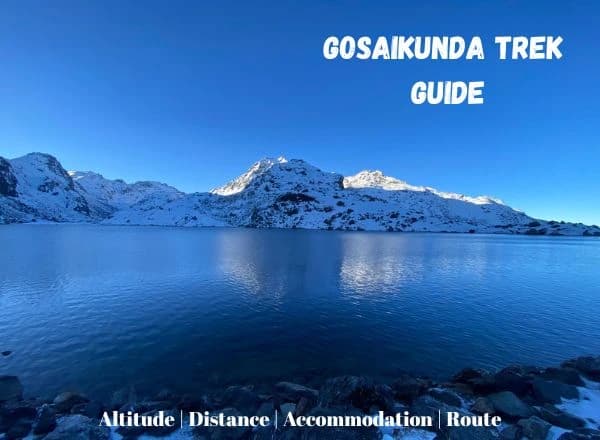
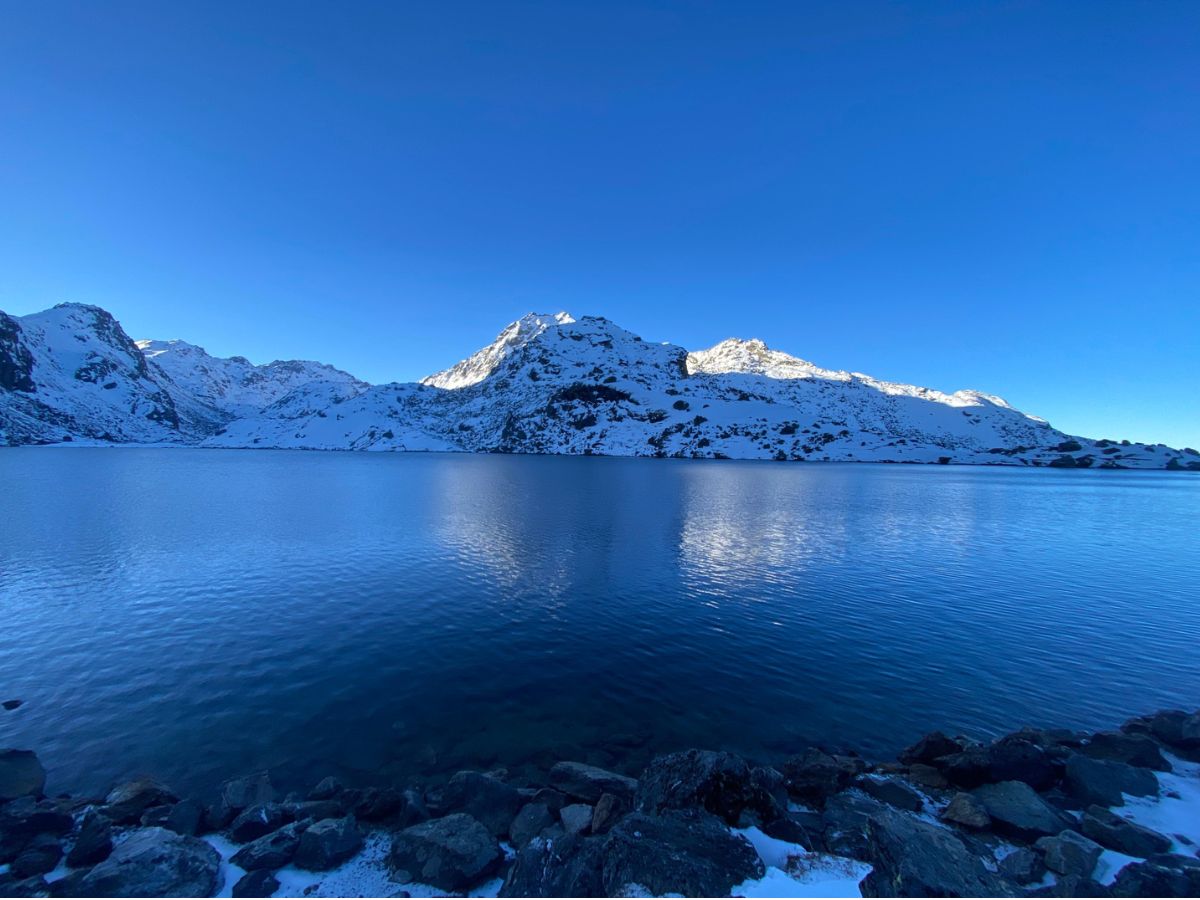
Nestled high in the Langtang National Park at an elevation of 4,380 meters, the sacred alpine lakes of Gosaikunda offer one of Nepal's most breathtaking and spiritually significant journeys. Many travelers find themselves weighing their options, often comparing the Gosaikunda Trek vs Langtang Valley Trek to see which route best suits their timeframe. However, whether you have weeks to explore or are utilizing a Gosaikunda short trek guide, turning this dream destination into a safe and memorable reality requires more than just a pair of hiking boots.
Why Preparation Matters
Trekking into the Himalayas is immensely rewarding, but the rugged terrain, high elevation, and unpredictable alpine weather demand respect. Thorough Gosaikunda Trek Preparation is the difference between a joyful journey and a grueling ordeal. Taking the time to physically condition your body, gather the right gear, and understand the logistics of your Gosaikunda Lake Trek ensures you can focus on the stunning snow-capped peaks and serene blue waters rather than struggling through physical discomfort.
Common Mistakes Beginners Make
While the trail is highly accessible compared to deeper Himalayan expeditions, hikers often fall into a few predictable traps:
- Underestimating the Altitude: Many hikers try to rush the ascent, ignoring vital Gosaikunda Trek Altitude Tips.
- Failing to understand the altitude, daily distances, and accommodation limits greatly increases the risk of Acute Mountain Sickness (AMS).
- Poor Packing Choices: Beginners frequently overpack heavy, unnecessary items while forgetting essential windproof and waterproof layers.
- Lack of Contingency Plans: Failing to account for sudden weather shifts or neglecting basic Gosaikunda Trek Safety Tips can put you in a tough spot on the trail.
What You Will Learn
In this comprehensive Gosaikunda Trek Guide, we have compiled the ultimate list of Gosaikunda Trek Tips to ensure your journey is a resounding success. By reading through this Gosaikunda Trek Planning Guide, you will discover:
- Actionable Gosaikunda Trek Advice on pacing, acclimatization, and hydration.
- A complete, no-nonsense Gosaikunda Trek Checklist detailing exactly what you need.
- Strategic Gosaikunda Trek Packing Tips to keep your backpack light but highly effective.
- Essential Gosaikunda Trek Travel Tips covering trail permits, teahouse etiquette, and the best times to visit.
Who This Guide is For
Whether you are a seasoned Himalayan walker looking for a quick refresher or someone lacing up their trekking boots for the very first time, this article is designed for you. If you are specifically researching the Gosaikunda Trek for Beginners, this guide will demystify the process, ease your pre-trek anxieties, and equip you with everything you need for a safe, unforgettable adventure in the Langtang Himalayas.

Before You Start the Gosaikunda Trek
Before you start the Gosaikunda Trek, you have to choose the best trekking season, which is suitable for the trekking and enhances your trekking experience. In this guide, we will help you to provide the best season and other activities you can have while doing the Gosaikunda Trek.
Choose the Best Season
|
Factor
|
Details for Gosaikunda Lake
|
|
Best trekking months
|
March–May (spring) and September–November (autumn)
|
|
Spring (Mar–May)
|
Mild days, rhododendron blooms, clear mountain views; occasional afternoon clouds.
|
|
Autumn (Sep–Nov)
|
Stable weather, crisp air, best visibility; busiest season.
|
|
Monsoon (Jun–Aug)
|
Heavy rain, leeches, muddy/slippery trails, flight/jeep disruptions; generally not recommended.
|
|
Winter (Dec–Feb)
|
Very cold, possible snow blocking high passes; only for experienced, well‑equipped trekkers.
|
|
Tip
|
Aim for mid‑March to early May or mid‑September to early November for the best balance of weather and views.
|
Pro Tip: Aim for mid‑March to early May or mid‑September to early November for the best balance of weather and views on your Gosaikunda Lake Trek.
Train Your Body Before Arrival
|
Training Focus
|
What to Do (for Gosaikunda)
|
|
Cardio endurance
|
30–45 min brisk walking/jogging/cycling, 4–5 days/week for at least 3–4 weeks before trek.
|
|
Leg strength
|
Squats, lunges, step‑ups, calf raises: 2–3 sessions/week.
|
|
Hiking simulation
|
Weekend hikes with a backpack (8–12 kg) on uneven terrain or stairs.
|
|
Core & balance
|
Planks, side planks, light balance exercises to handle rocky, steep sections.
|
|
Flexibility
|
Daily stretching (hamstrings, calves, hips) to reduce soreness on long walking days.
|
|
Tip
|
If you can comfortably walk 5–6 hours with a pack before you arrive, the trek will feel much easier.
|
Pro Tip: If you can comfortably walk 5–6 hours with a pack before you arrive, following a rigorous Gosaikunda short trek guide layout will feel significantly easier on your muscles.
Understand the Altitude
|
Altitude Fact
|
Why It Matters for Gosaikunda
|
|
Lake elevation
|
Gosaikunda Lake: ~4,380 m (14,370 ft).
|
|
Key high point
|
Laurebina Yak: 3,900 m common sleeping stop before the lake.
|
|
AMS risk
|
Acute Mountain Sickness can affect anyone above 2,500–3,000 m.
|
|
Symptoms to watch
|
Headache, nausea, loss of appetite, dizziness, poor sleep, unusual fatigue
|
|
Safe ascent practice
|
Gain no more than 300–500 m sleeping altitude per day above 3,000 m; include a rest/acclimatisation day.
|
|
What to do if sick
|
Do not ascend further est, hydrate, and descend if symptoms worsen.
|
|
Tip
|
Build your itinerary with a rest day around 3,400–3,600 m (e.g near Chandanbari/Laurebina area) before pushing to the lake.
|
Pro Tip: Build your itinerary with a rest day around 3,400–3,600 m (e.g., near Chandanbari/Laurebina area) before pushing to the lake. Always refer back to tested Gosaikunda Trek Altitude Tips to accurately calculate your daily limits.
Get the Required Permits
|
Permit / Document
|
Details for Gosaikunda Trek
|
|
Main permit
|
Langtang National Park Entry Permit (Gosaikunda lies inside this park).
|
|
Where to get it
|
Nepal Tourism Board office (Kathmandu/Pokhara) or at the park entry checkpoint (e.g., Dhunche/Ghodatabela).
|
|
Documents needed
|
Passport (original + copy), 2 passport‑size photos, cash (NPR/USD as per current rate).
|
|
TIMS card
|
Sometimes requested check latest rules with your agency/teahouse. Carry a copy just in case.
|
|
Trekking agency
|
Not mandatory for Gosaikunda, but recommended if you’re unfamiliar with the route or traveling solo.
|
|
Tip
|
Keep photocopies of your permit and passport in your daypack and another set in your main bag.
|
Book Accommodation Early
|
What to Book
|
Why & How for Gosaikunda
|
|
Kathmandu hotel
|
Book at least your first and last night in advance with easy to adjust later if needed.
|
|
Teahouses on route
|
Dhunche, Chandanbari (Sing Gompa), Laurebina Yak, and Gosaikunda have basic teahouses; peak season can fill up, especially on weekends and holidays.
|
|
Peak periods
|
Spring (Mar–May) and autumn (Sep–Nov), plus Nepali holidays and long weekends.
|
|
How to book
|
Contact a local agency, ask your guide, or call teahouses directly if you have numbers; many don’t have strong online systems.
|
|
Backup plan
|
Know alternative villages/lodges on your route in case your first choice is full.
|
|
Tip
|
If trekking in a group then try to pre‑book 2–3 key nights (e.g Laurebina Yak and Gosaikunda) during peak months.
|
Pro Tip: If you are traveling as a group, try to pre-book 2-3 key nights during peak season. If you are uncertain about trail logistics, comparing the infrastructure of the Gosaikunda Trek vs Langtang Valley Trek will give you a clear baseline on what standard teahouses offer.
Essential Packing Tips for Gosaikunda Trek
|
Essential
|
Required
|
Optional
|
|
Clothing Checklist
|
Moisture‑wicking base layers, fleece or down jacket, warm hat, gloves, quick‑dry trekking pants, 2–3 trekking shirts, sun hat/cap, spare socks & underwear.
|
Extra casual clothes for Kathmandu, light camp shoes/sandals, neck gaiter/buff.
|
|
Footwear Tips
|
Sturdy, broken‑in trekking boots (ankle support, good grip), comfortable trekking socks (wool blend), sandals/flip‑flops for teahouses.
|
Gaiters (for mud/snow), very light trail shoes for short walks around camp.
|
|
Electronics
|
Headlamp with extra batteries, phone, charger, plug adapter (Type C/D/G as used in Nepal).
|
Camera, GoPro, e‑reader, small travel speaker (keep volume low in teahouses).
|
|
Medicine
|
Personal prescriptions, basic first‑aid kit (plasters, antiseptic, blister care), pain/fever reliever, anti‑diarrheal, altitude sickness tablets (e.g acetazolamide, after consulting a doctor), throat lozenges.
|
Motion‑sickness tablets, mild sleeping aid, extra vitamins if you normally use them.
|
|
Water Purification
|
Reusable water bottles (1–2 L total), purification tablets or filter bottle and treat all untreated water.
|
UV purifier (e.g SteriPEN) if you prefer it over tablets/filters.
|
|
Power Bank
|
10,000–20,000 mAh power bank (charging points are limited and may be paid).
|
Solar charger (useful but slower and weather‑dependent).
|
|
Trekking Poles
|
At least one pair of adjustable poles (reduces knee strain on steep descents and stream crossings).
|
—
|
|
Rain Protection
|
Waterproof rain jacket, rain cover for backpack, pack liners or dry bags for clothes/electronics.
|
Waterproof pants (useful in monsoon edge seasons or unexpected showers).
|
|
Sleeping Essentials
|
Sleeping bag rated to at least ‑10°C (nights at Gosaikunda can be very cold), sleeping bag liner (hygiene + extra warmth).
|
Inflatable pillow, compact foam pad if you’re very sensitive to cold/comfort.
|
Beginner Mistakes to Avoid while doing Gosaikunda Trek
First-time trekkers often make small but impactful mistakes that can quickly turn an incredible Himalayan adventure into a grueling ordeal. Especially on the Gosaikunda Lake Trek where sudden weather shifts, long hiking hours, and rising elevation play a major role, avoiding these common errors is absolutely crucial for your overall comfort and safety. If you are preparing for the Gosaikunda Trek for Beginners, here are eight frequent missteps to watch out for, along with practical advice on exactly how you can avoid them.
Here are a few points for the beginner to avoid the mistakes:
- Carrying too much luggage
- Walking too fast
- Ignoring altitude symptoms
- Wearing new boots
- Not carrying enough cash
- Drinking unsafe water
- Poor weather planning
- Starting late in the day
Frequently Asked Questions (FAQs)
1. Is the Gosaikunda Trek suitable for beginners?
Yes, the Gosaikunda Trek is suitable for beginners with a reasonable level of fitness and proper preparation. Although the trail is well-established, trekkers must be prepared for steep ascents, long walking days, and high altitude. Training in advance, packing the right gear, and following a gradual pace will make the experience much more enjoyable.
2. What is the best time to do the Gosaikunda Trek?
The best time to trek to Gosaikunda is during spring (March to May) and autumn (September to November). These seasons offer stable weather, clear mountain views, pleasant temperatures, and the best trail conditions. Winter brings heavy snowfall, while the monsoon season often results in slippery trails and poor visibility.
3. How difficult is the Gosaikunda Trek?
The Gosaikunda Trek is considered a moderate Himalayan trek. Most trekkers walk between 5 and 7 hours per day, with the biggest challenge being the high altitude rather than technical climbing. Proper acclimatization and a steady pace are essential for completing the trek safely.
4. What permits are required for the Gosaikunda Trek?
Trekkers need a Langtang National Park Entry Permit to enter the protected area. Depending on the latest government regulations, a TIMS card or additional documentation may also be required. Always verify the current permit requirements before starting your trek.
5. What should I pack for the Gosaikunda Trek?
Your packing list should include layered clothing, waterproof outerwear, sturdy trekking boots, warm gloves, a hat, sleeping bag, trekking poles, reusable water bottles, water purification tablets, a first-aid kit, sunscreen, sunglasses, and a power bank. Packing light while carrying all essential items will make the trek more comfortable.
6. How can I prevent altitude sickness during the Gosaikunda Trek?
To reduce the risk of Acute Mountain Sickness (AMS), ascend gradually, stay well hydrated, avoid alcohol, eat nutritious meals, and allow enough time for acclimatization. If symptoms such as severe headache, dizziness, or nausea worsen, descend immediately and seek medical assistance if necessary.
7. Are accommodation and food available along the Gosaikunda Trek?
Yes. Basic teahouses are available in villages such as Dhunche, Chandanbari (Sing Gompa), Laurebina Yak, and Gosaikunda. They provide simple rooms and freshly prepared meals, although facilities become more basic as you gain altitude. Booking ahead during peak trekking seasons is recommended.
8. Can I complete the Gosaikunda Trek without a guide?
Yes, many trekkers complete the Gosaikunda Trek independently. However, hiring a licensed local guide can improve your safety, simplify logistics, provide valuable local insights, and support local communities. Always check the latest trekking regulations before planning an independent trek.
9. How many days does the Gosaikunda Trek usually take?
The standard Gosaikunda Trek typically takes 5 to 7 days, depending on your itinerary, fitness level, and chosen route. Trekkers who combine the journey with the Helambu region or Langtang Valley may require additional days.
10. What are the most important tips for a successful Gosaikunda Trek?
The most important tips include training before your trip, trekking during the best seasons, packing appropriate gear, walking at a steady pace, staying hydrated, allowing time for acclimatization, carrying sufficient cash, monitoring the weather forecast, respecting local culture, and following responsible trekking practices throughout the journey.
Content Reviewed By
Beyond The Limits Treks & Expedition Pvt. Ltd.
A licensed trekking company in Nepal specializing in trekking and adventure travel across the Langtang, Everest, Annapurna, and Manaslu regions. The company's professional team regularly reviews trekking information, route conditions, permit requirements, and travel logistics to ensure content accuracy and reliability.
Legal document: Beyond the limits treks